
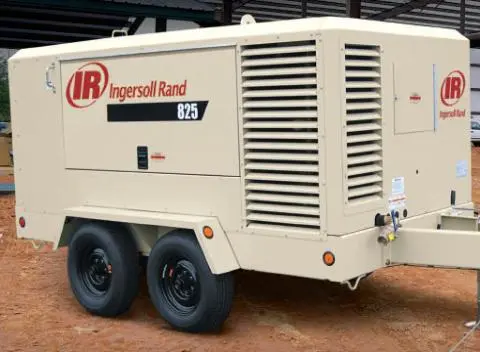
Air for the job. A diesel package prepared for the whole shift
A diesel portable compressor brings the air supply to the worksite when a suitable electrical connection is unavailable, impractical or difficult to maintain as the job moves. Selecting it requires two connected reviews: the compressed-air duty and the engine-driven package that must sustain that duty.
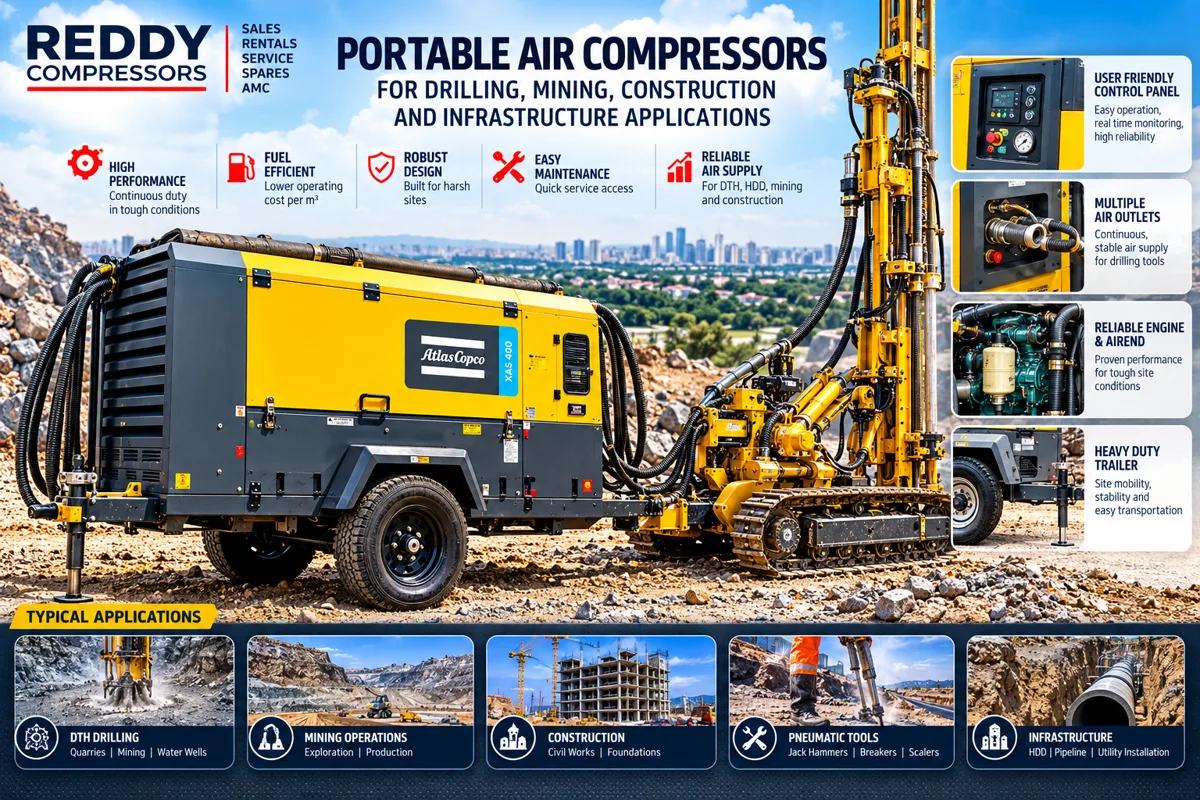
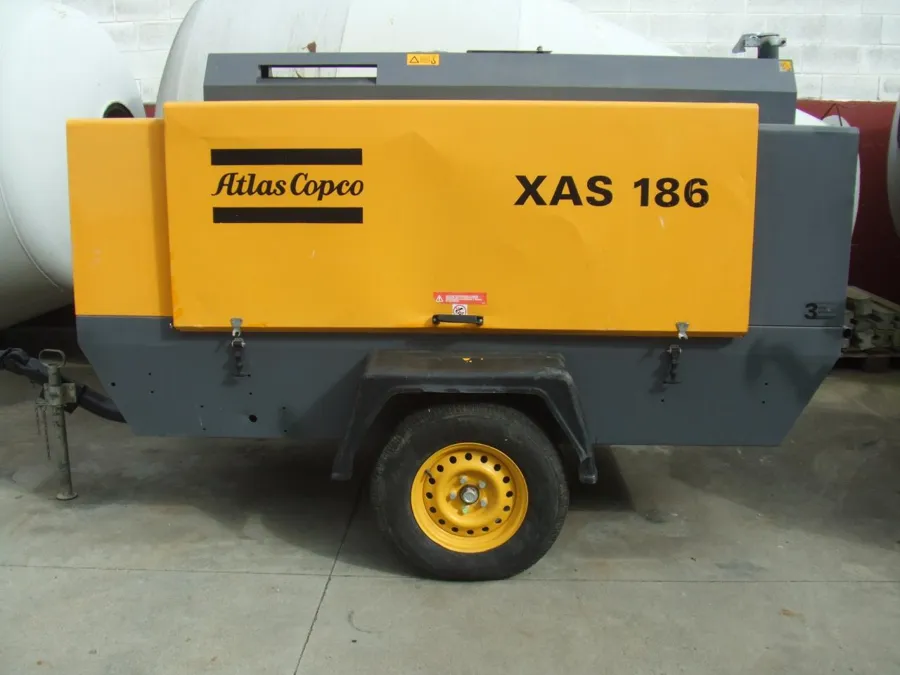
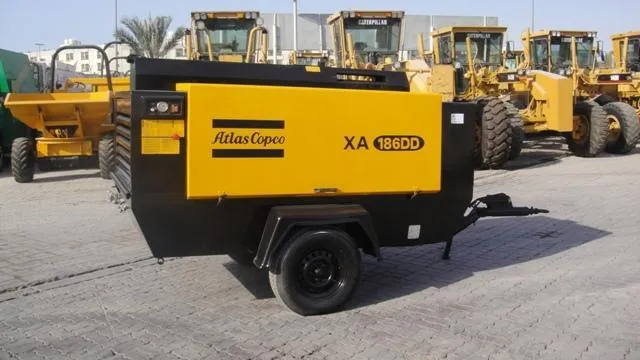
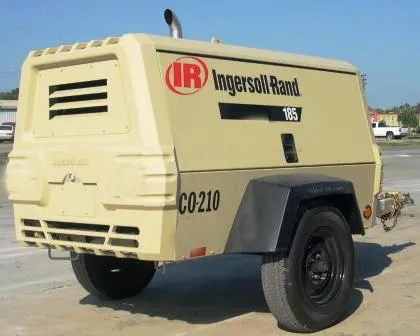
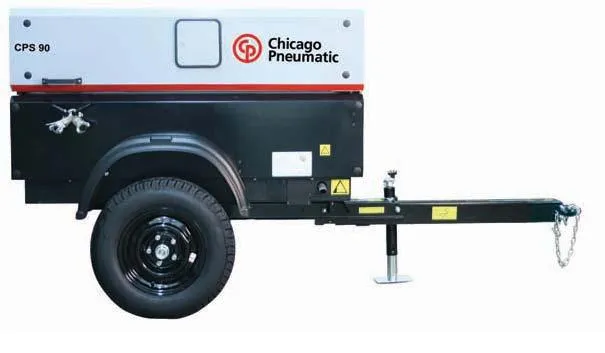
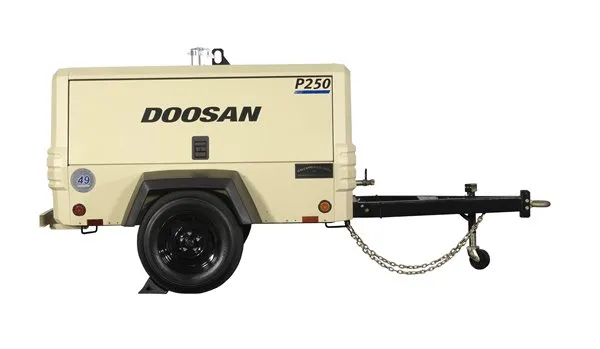
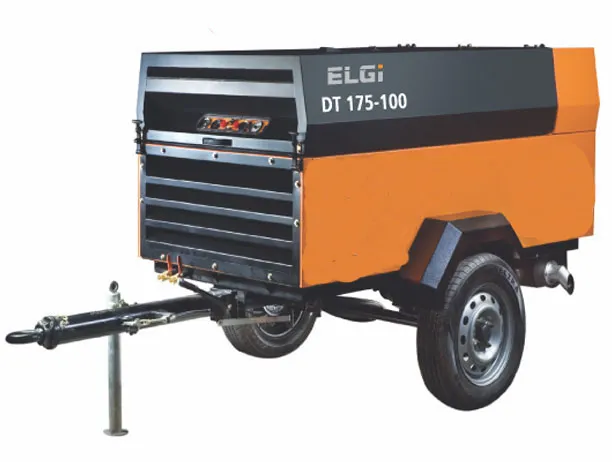
Representative images of machine types we sell, service and rent. Models and capacities are confirmed against your duty.
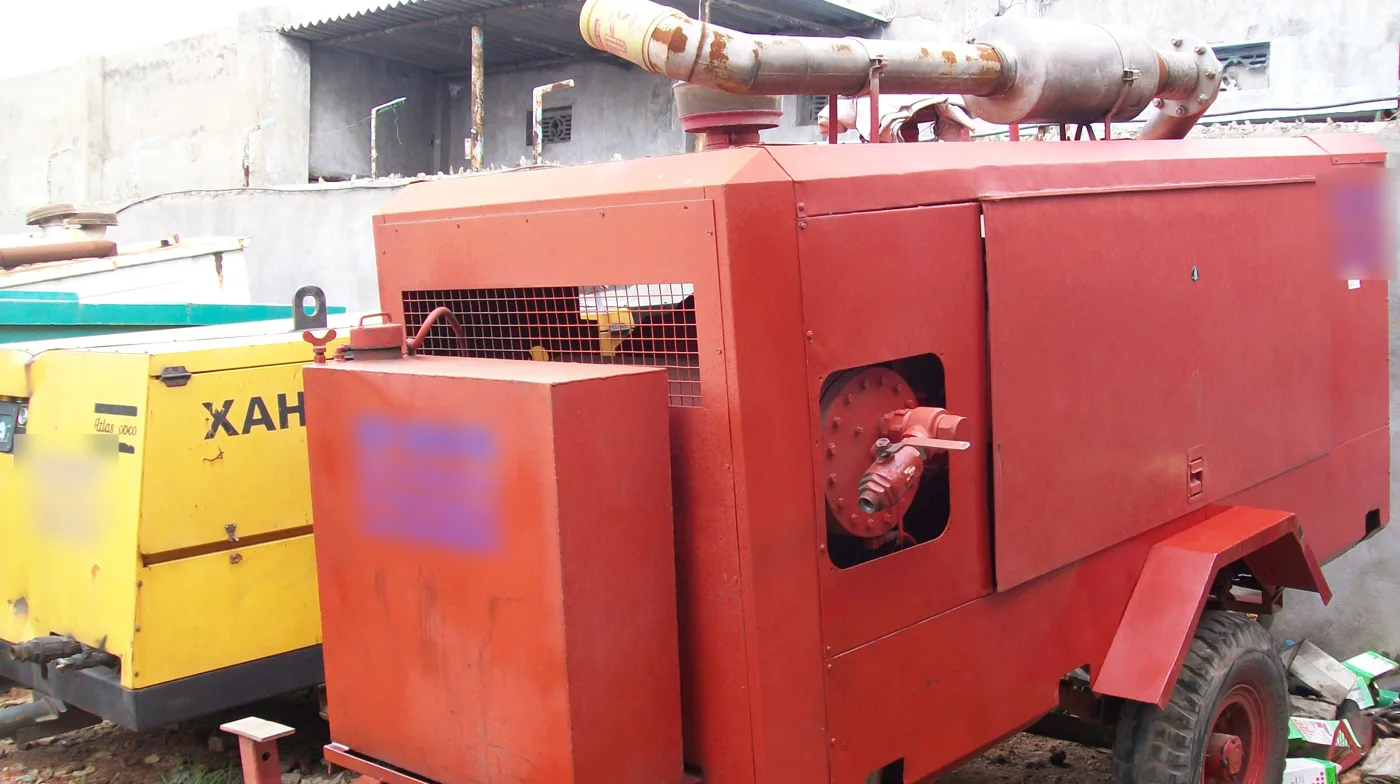
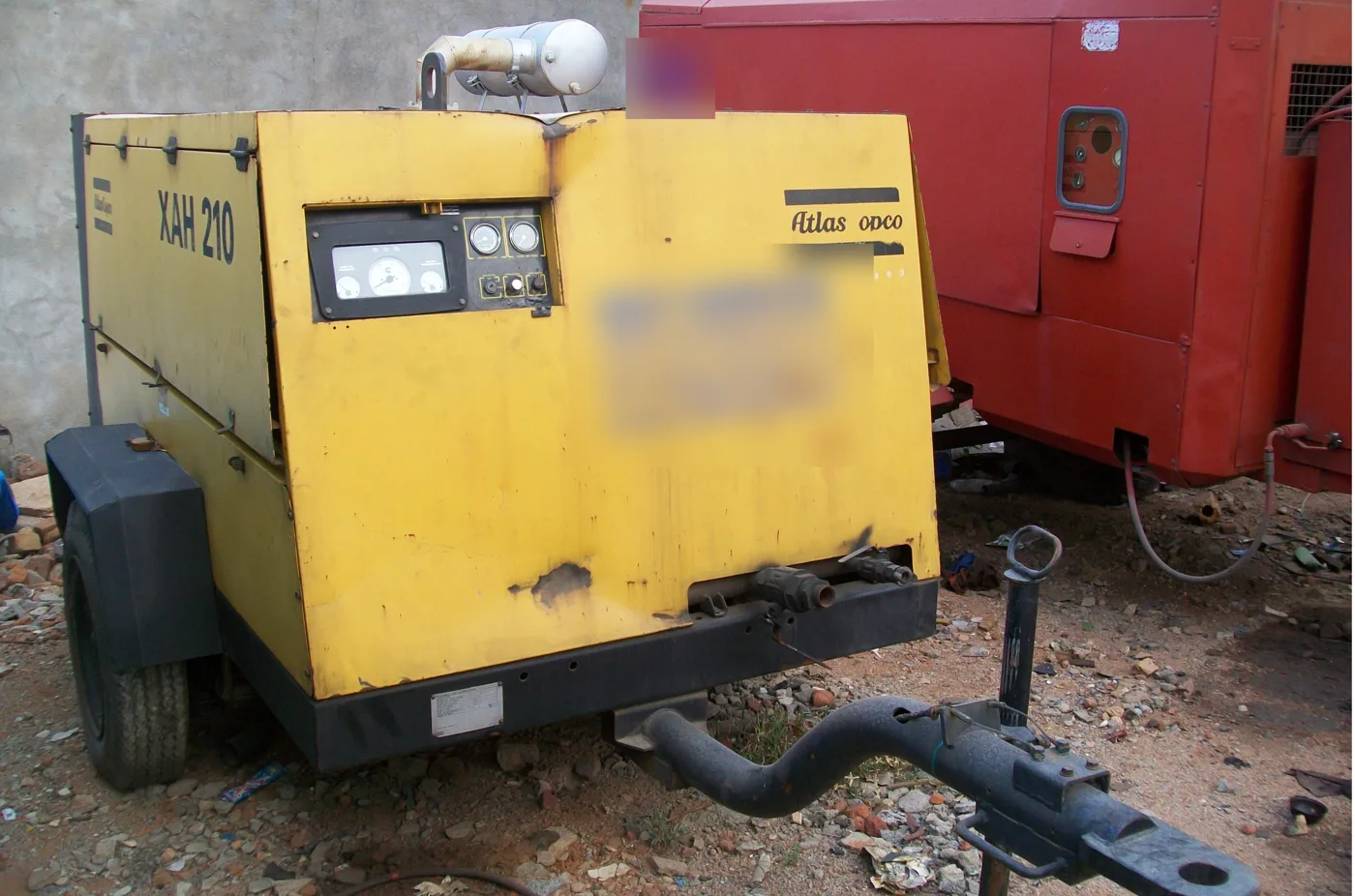
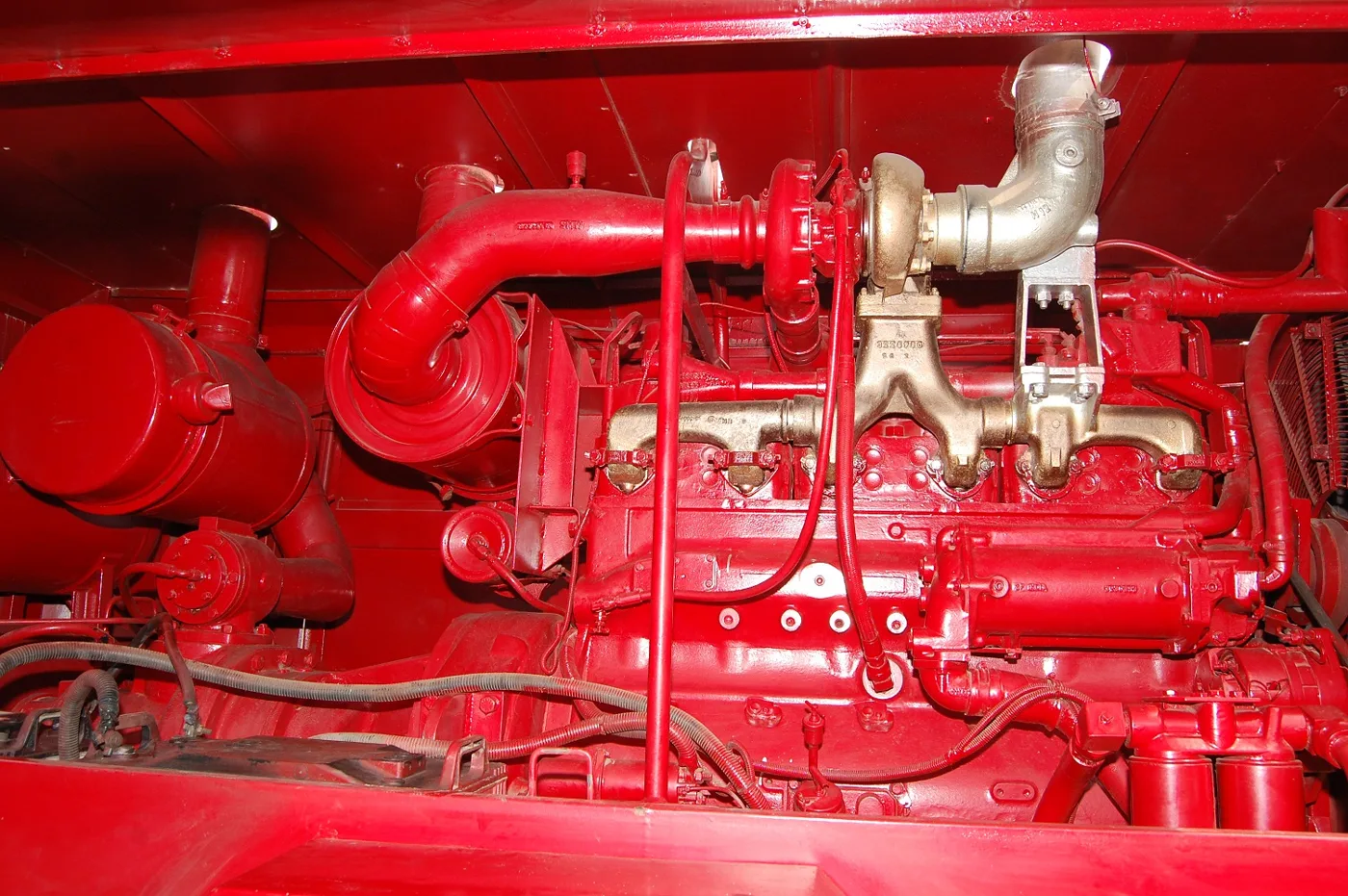
Photographs from Reddy Compressors' own fleet and workshop.
The right enquiry therefore includes more than a familiar CFM figure. It describes the work, the pressure required at the application, the operating pattern, the environment and the arrangements for fuel, maintenance and mobilisation.
For the wider portable-air selection process, start with our Portable Air Compressors guide. This page focuses on the additional decisions that come with diesel drive.
Discuss a Diesel Portable Compressor Requirement
Establish what the machine must do
Begin with a short description of the job and the equipment that will use the air. Identify which tools or processes operate together, how long the demand lasts and whether the machine will work at one location or move between work areas.
Then assemble a diesel-duty brief.
Requirement | Information to provide |
|---|---|
Application | Equipment or process to be supplied |
Air demand | Required delivered airflow and its stated reference basis |
Working pressure | Required pressure at the tool or process |
Operating pattern | Hours per shift, simultaneous users and periods of reduced demand |
Environment | Site elevation, temperature, dust and exposure |
Connections | Hose lengths, manifolds, treatment and connection points |
Mobility | Towing, trailer, skid or other handling requirement |
Fuel arrangements | Available fuel specification, delivery and permitted refuelling arrangements |
Support | Operator responsibility, service access and continuity requirement |
Where a requirement is unknown, identify how it will be established. A quotation based on visible assumptions is more useful than a precise-looking recommendation built on missing information.
Review the engine and compressor as one package
A diesel compressor proposal should identify the compressor model and the engine fitted to that package. Include the configuration and relevant technical-document revisions.
Ask for the delivered airflow at the required pressure, not simply the largest flow value shown for the product family. Check the conditions attached to that rating and whether the selected engine and package configuration match the documents supplied.
Review the engine, drive, cooling equipment, fuel system and controls together. An engine's power rating does not, on its own, establish the compressed air available at the application.
A useful technical comparison answers four questions:
1. What can this exact package deliver at the required pressure?
2. Under what operating and environmental conditions is that performance stated?
3. What restrictions apply to its use?
4. What must the site provide to operate and maintain it?
Keep unresolved answers in the comparison record. Do not treat a brochure for a related model as proof of the proposed machine's performance.
Match the package to the operating pattern
A machine supplying a steady process for most of a shift has a different operating profile from one supporting short tool-use periods separated by waiting time.
Record the periods during which air is required and the periods during which the machine remains running with reduced demand. Ask how the selected model responds to those conditions. Control modes, engine behaviour and fuel consumption must be assessed from the actual package documentation.
For a machine with selectable pressure settings, obtain the corresponding flow information. The ability to select a pressure does not establish that maximum airflow is available at every setting.
Where several users will share the supply, agree how their demands are combined. Avoid selecting a machine from installed tool count alone, or assuming that the largest listed consumer is the only load that matters.
Make site conditions part of selection
Provide the elevation and expected temperature range early in the enquiry. Obtain the manufacturer's assessment of the compressor and engine at those conditions, including any applicable performance corrections or operating restrictions.
Do not apply one generic altitude or temperature percentage to every diesel package. The technical response should identify the machine, the conditions evaluated and the performance that remains available.
Describe dust, nearby operations and the proposed location. These details help the reviewer assess intake conditions, cooling arrangements, access and maintenance planning against the selected unit's instructions.
A machine chosen before these details are known should be treated as a candidate for review, rather than a confirmed match.
Plan fuel from evidence
Fuel planning should use consumption information for the exact package and a representative operating profile. A single litres-per-hour figure, without its load and pressure conditions, is an incomplete basis for comparing offers.
Ask whether the information supplied represents a rated operating point, another defined mode or measured site operation. If measured records are available, retain the operating pressure, working hours and description of the work alongside the fuel quantity.
For planning purposes:
Estimated fuel quantity = sum of the fuel rate in each documented operating mode × the hours spent in that mode.
The result is only as reliable as the rates and hours entered. Use consistent units and keep assumptions visible. If the duty is uncertain, compare documented operating scenarios instead of presenting one number as a guarantee.
Fuel-planning input | Record required |
|---|---|
Machine identity | Compressor package and engine |
Fuel specification | Requirement from the applicable engine/package documents |
Operating condition | Pressure, load or other defined mode |
Consumption evidence | Manufacturer data or measured operating record |
Time allocation | Expected hours in each documented mode |
Site arrangements | Supply, storage, refuelling access and responsibilities |
Tank capacity and operating runtime are separate pieces of information. Runtime planning must consider the usable quantity, the operating profile and the permitted refuelling arrangements. Obtain model-specific information before promising that one tank will cover a shift.
Compare fuel cost with the work delivered
A lower quoted fuel rate is not automatically the lower-cost solution if the compared machines are performing different duties.
First establish that each candidate can meet the required airflow, pressure and operating conditions. Then compare the fuel basis and the wider project costs.
A transparent cost review can include:
- • hire charges or the ownership cost allocated to the project
- • fuel quantity and the price used in the estimate
- • mobilisation and return transport
- • agreed maintenance and consumables
- • operator responsibilities, where applicable
- • treatment, hoses and connection equipment
- • the consequences and arrangements associated with interruption
State the period covered by the comparison. Keep equipment charges, operating costs and assumptions separate so the customer can see why the result changes when the duty changes.
Where useful work can be measured consistently, retain that record alongside fuel use. Comparisons between different jobs still need to account for differences in the work and operating conditions; a fuel-saving claim should not be transferred from an unrelated application.
Prepare the location before mobilisation
Confirm the proposed machine position against the manufacturer's installation and operating requirements. Review the supporting surface, access, cooling and intake conditions, exhaust location and the route to the air users.
Provide enough information for a site review rather than relying on a description such as “open space near the job.” A marked layout and photographs can make access restrictions, nearby activities and connection routes clearer.
The agreed deployment plan should identify who is responsible for positioning, connecting, inspecting and operating the equipment. It should also identify the instructions and site procedures that govern the work.
This selection guide does not replace the operating manual or a task-specific installation and safety review.
Choose the mobility arrangement deliberately
Diesel drive does not determine whether a package is towable, trailer-mounted or skid-mounted. Verify the actual configuration being offered.
Record transport dimensions, mass, handling provisions and the requirements for the proposed movement. Obtain the relevant equipment documentation and transport review rather than assuming that a familiar compressor size can be moved with any available vehicle.
Distinguish a machine intended to remain at one location from one expected to move frequently. Also consider how the arrangement affects refuelling, servicing and connections at the worksite.
The commercial offer should identify the configuration supplied. A reference to “portable compressor” alone is not a complete mobilisation specification.
Include cooling and maintenance in the shift plan
Check the selected package's cooling requirements and environmental limits. Ask how inspection and servicing will be carried out under the expected site conditions.
Use the actual engine and compressor maintenance instructions to establish the tasks and intervals. Do not transfer a generic diesel-engine schedule or another compressor's service hours to the selected package.
Before work begins, agree responsibility for routine checks, recording hours, reporting warnings, arranging service and maintaining the necessary consumables.
Operating responsibility | Agreement to record |
|---|---|
Routine checks | Applicable checklist and responsible person |
Operating records | Hours, duty, fuel and relevant observations |
Warning response | Operator instructions and escalation contact |
Planned maintenance | Work scope, timing and authorised personnel |
Consumables | Approved items and supply responsibility |
Interruption | Site response and reviewed continuity arrangements |
Keep the service plan practical. It should explain how required work fits the operating schedule and how access will be maintained throughout the project.
Verify controls without assuming common features
Identify the controller and the functions available on the selected machine. Review how operating information, warnings and service indications are presented, using the correct manual.
Do not assume that every diesel portable compressor has remote monitoring, automatic restart, selectable pressure or the same protective functions. If a feature matters to the job, make it an explicit requirement and obtain evidence that it is included.
For hired equipment, the handover should make the operating responsibilities clear. The person receiving the machine needs the relevant instructions for that unit, not a generic explanation based on a different controller.
Keep air quality separate from drive type
A diesel engine describes the source of mechanical power. The required air quality still needs to be defined by the application.
Record whether the work needs aftercooling, liquid separation, filtration, drying or another specified treatment arrangement. Verify what is fitted to the machine and what must be supplied separately.
For oil-free or process-sensitive portable air, use the Oil-Free Portable Compressors guide. Do not infer breathing-air, medical or other specialist suitability from the fact that a machine can supply the required pressure.
Define continuity before an interruption
Ask what happens if the air supply stops. The answer may affect the working schedule, service arrangements, spare equipment planning or temporary connection design.
Record the continuity requirement in operating terms. Identify what must remain supplied, for how long, and what changeover arrangements would need to be reviewed.
The availability of a replacement machine, its suitability and mobilisation timing require confirmation. A general diesel-compressor enquiry should not be treated as a guaranteed emergency-response commitment.
Compare offers on a common basis
Use one requirement sheet for every candidate. Ask suppliers to return their assumptions and exceptions against it.
Comparison item | What the offer should establish |
|---|---|
Equipment identity | Exact compressor, engine and mounting configuration |
Performance | Delivered flow at the required pressure and stated conditions |
Site suitability | Review of elevation, temperature and other relevant conditions |
Fuel | Required specification and documented consumption basis |
Included equipment | Treatment, hoses, connections and accessories |
Operating support | Instructions, responsibilities and service arrangements |
Delivery | Confirmed location, timing and mobilisation scope |
Exceptions | Requirements not met or still awaiting verification |
Resolve differences before comparing price alone. Two offers with similar capacity labels may include different equipment, operating assumptions or service responsibilities.
Send the job details to Reddy Compressors
Provide the application, required airflow and pressure, working hours, location, expected duration and available site information. Include equipment data sheets, layout photographs or existing machine details where available.
Specify whether the enquiry concerns purchase, rental or support for equipment already in use. The response should identify the proposed scope and the information needed to verify a suitable package.
Request a Diesel Portable Compressor Review
Equipment selection, supply scope and current availability remain subject to confirmation for the actual requirement.
Frequently asked questions
Can I select a diesel compressor by CFM alone?
No. Compare delivered airflow with its operating pressure and reference conditions, then assess the job, connections, operating pattern and site conditions. Use the portable-air hub for the complete selection workflow.
Is diesel always preferable to electric portable air?
There is no universal answer. Review the available electrical infrastructure, mobility, operating period and site constraints. Diesel-specific fuel and engine requirements must be considered alongside the requirements of an electric alternative.
How much diesel will the compressor consume?
Obtain information for the exact package and stated operating conditions. A forecast should show the fuel-rate evidence and expected time in each documented mode. A generic figure for a CFM category is not a reliable substitute.
Will one fuel tank last the whole shift?
That requires a model- and duty-specific assessment. Tank capacity alone does not establish usable runtime or the permitted refuelling arrangements.
Does a higher pressure setting provide more usable airflow?
Do not assume that it does. Check the machine's documented flow at the intended pressure and review the complete application requirement.
Are an aftercooler and filters included?
Confirm the exact package and quoted scope. Required treatment equipment may be fitted, optional or supplied separately.
Can a diesel portable compressor support drilling?
A candidate must be matched to the actual drilling equipment and conditions. Obtain the relevant rig and hammer information; a generic depth-to-CFM rule is not an adequate selection basis.
What should I send with my enquiry?
Send the application, flow and pressure requirements, operating hours, site location, project duration, connection details and preferred mobility arrangement. Identify any air-quality or continuity requirement at the outset.
Field guide
Diesel portable compressors: the engineering behind site air
A diesel portable compressor carries its own prime mover to where the air is needed. That energy independence is why it works on remote drilling sites, moving highway projects, quarries away from fixed power and advancing pipeline spreads.
The chain from fuel to work
Two intermeshing rotors trap air and shrink its volume. In an oil-injected machine the oil lubricates, seals and cools, then is removed in the separator and returned. Oil management is therefore central to reliability.
Pressure and flow are different jobs
Pressure enables the work; flow sustains it. A breaker needs pressure for impact, but too little flow makes pressure collapse when it starts consuming air. A DTH hammer needs pressure for percussion and a large flow to lift cuttings up the annulus. High pressure does not mean high flow, and high flow does not mean the right machine. Specify both, at the point of useful work.
The starting sum is the total of the tool flows multiplied by an allowance for leakage and margin, and the compressor pressure must cover the tool pressure plus every loss on the way. Use the demand and pipe-sizing calculators for a worked figure.
Pressure drop is the hidden loss
Long or narrow hoses, restrictive couplings, dirty filters and poor manifolds all consume pressure. The tempting fix is to raise discharge pressure, which raises fuel use, heat and engine load. Reducing resistance is usually cheaper than making pressure you then throw away.
Conditions in the field
- Altitude and heat. Thin air and hot ambient conditions reduce intake density, engine output and cooling capacity, so catalogue figures overstate site performance.
- Dust. Mining and quarry duty needs proper intake filtration; restriction adds loss and wears components.
- Air quality. Tools tolerate air that instruments, coating or food processes cannot. Oil-free machines are a separate class, and oil-free does not by itself mean clean air at the application.
Cost is more than the price tag
Lifecycle cost combines purchase, fuel, maintenance, consumables, transport, downtime and overhaul, less resale value. On heavily used diesel machines fuel often dominates. Compare cost per operating hour and, where it applies, per metre drilled or per productive tool hour, using the fuel and ownership calculators with your own prices.
Rent or own
Rent when demand is temporary or varies by project, when an occasional high-pressure machine is needed, when you must preserve capital, or when a failed unit needs an emergency replacement. Own when utilisation stays high and you can support the maintenance. See our rental and selection enquiry.
Where the technology is heading
- Electric portable units suit factories, tunnels, urban work and sites with dependable supply, but a large compressor needs large electrical capacity that remote sites often lack.
- Battery units are attractive for small, intermittent duty; energy density limits large continuous machines, so diesel and hybrid will stay for remote high-flow drilling.
- Telematics monitor hours, temperatures, pressure, fuel, battery, fault codes, position and service intervals, moving maintenance from hours-based to condition-based.
- Pressure management avoids making 14 bar when the job needs 10, saving fuel.
The right energy source depends on duty cycle, location and infrastructure; no one option replaces the others everywhere.