
What used compressors do we sell?
We are an independent multi-brand specialist, so used machines come to us from many makes: Atlas Copco, Ingersoll Rand, ELGi, KAESER, Chicago Pneumatic, Gardner Denver, Sullair, Doosan, Kirloskar, Bobcat and many others. We sell, rent and service these machines; we are not an authorised dealer of any of them, and brand names are trademarks of their respective holders. We have tie-ups with all major and reputed brands.
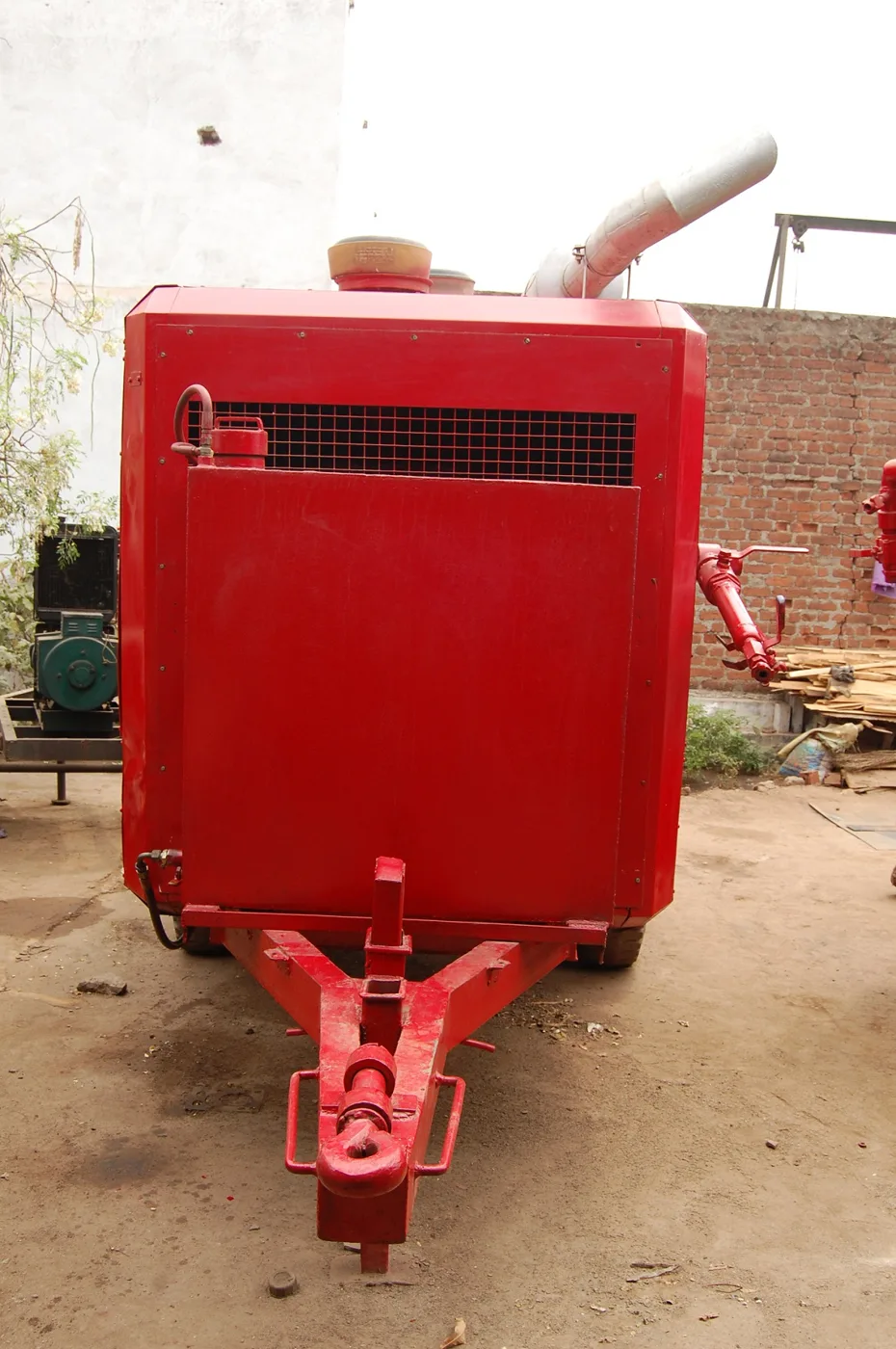
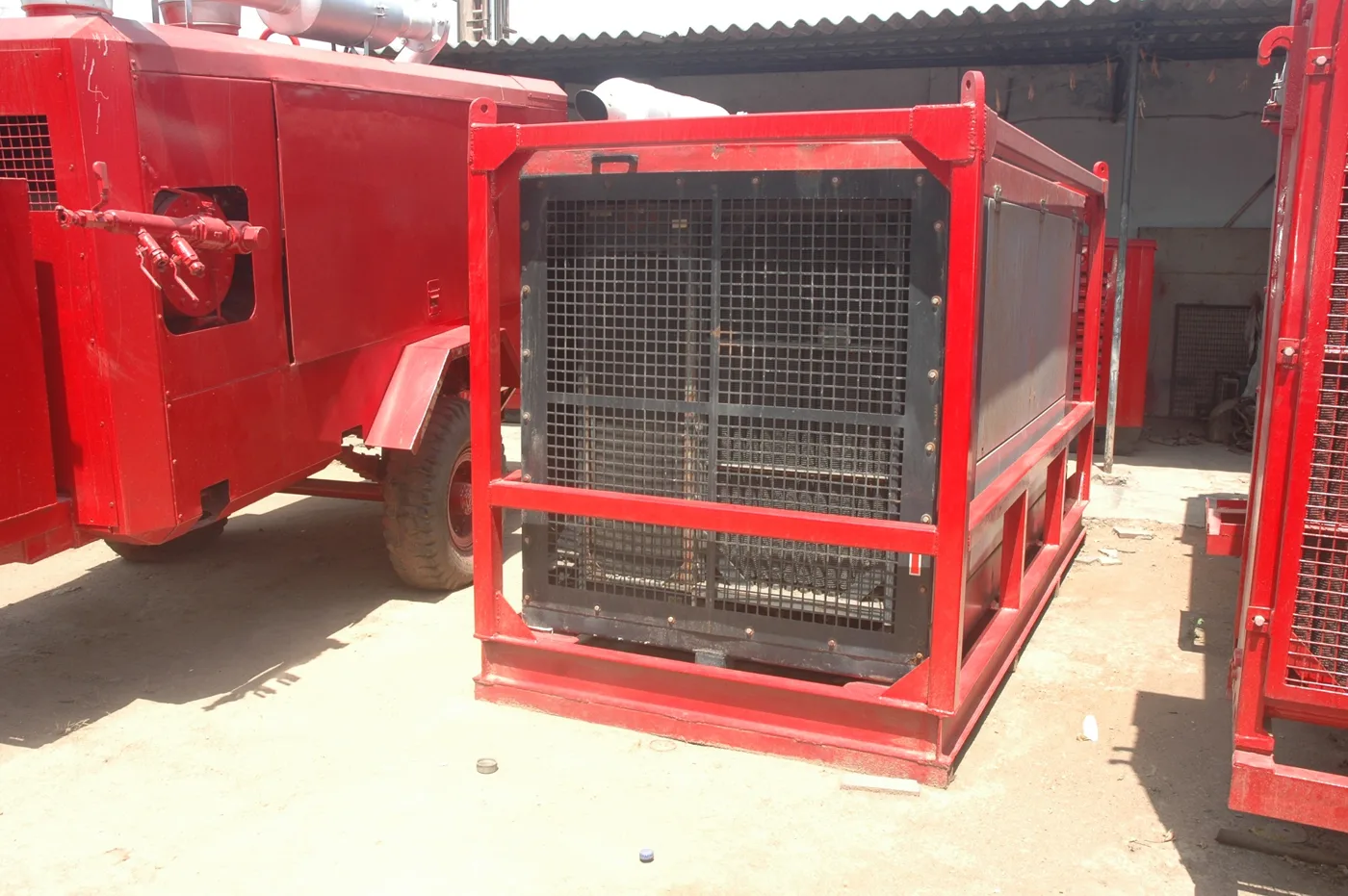
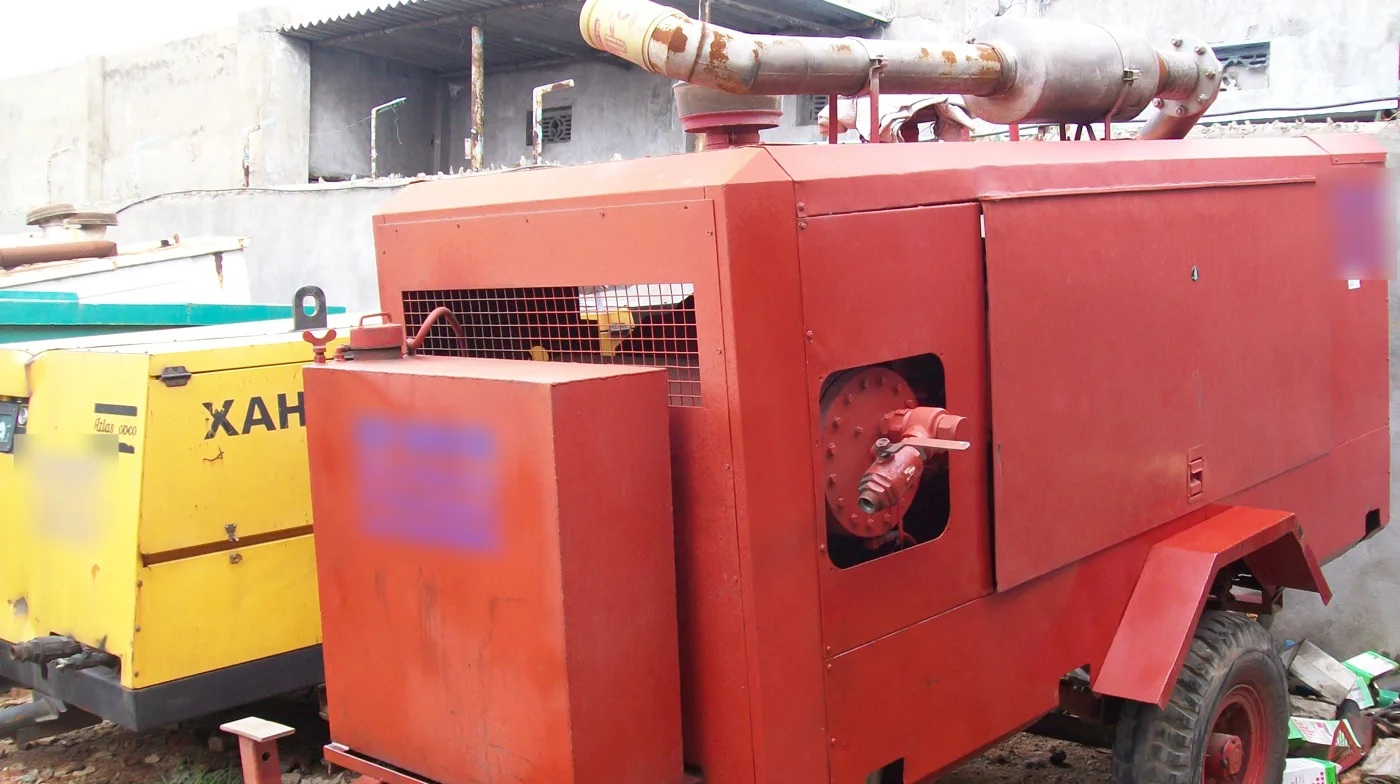
Photographs from Reddy Compressors’ own fleet and workshop.
Tell us the duty and we will tell you what is available or can be sourced, with running hours, condition and price for each machine.
- Portable diesel compressors for construction, sandblasting, pipeline and quarry work, typically 100–600 cfm, plus larger high-pressure drilling packages.
- Borewell and DTH compressors, typically 600–1,500 cfm at 200–400 psig (13.8–27.6 bar), and high-pressure units up to about 35 bar (507.6 psig).
- Rotary screw compressors for factory air, fixed speed and variable speed, oil-injected and, occasionally, oil-free.
- Reciprocating (piston) compressors for workshops, garages, PET and small industry, single- and two-stage.
- Dryers, filters and receivers to complete the installation.
Warranty on used and refurbished compressors
6-month warranty on used and refurbished compressors, counted from the delivery/invoice date. Covers the whole compressor except consumables (filters, oil, separator elements, belts, hoses, gaskets). Not covered: misuse, wrong oil, poor ventilation or supply-voltage problems; service or repair by others; accident, fire, flood, transport or site damage after delivery.
How to make a warranty claim
- Call or WhatsApp +91 99590 60718, or email us.
- Give the invoice number and the machine’s model and serial number.
- Send a photo or short video of the fault, and of the display or fault code if there is one.
- Our service engineer will inspect the machine within 48 hours in Hyderabad and Secunderabad, and within 7 working days at sites elsewhere.
Please do not have the machine opened or repaired by others while a claim is open; that can void the warranty.
Used, serviced or refurbished: what each word means here
Sellers use these words loosely. We use three fixed categories, and the quotation names the category and lists the work done on that specific machine.
| Category | What has been done | Who it suits |
|---|---|---|
| Used, sold as inspected | Run, inspected and reported. Faults found are disclosed and reflected in the price. | Buyers with their own maintenance team who want the lowest purchase price. |
| Serviced | Inspection plus a full routine service: oil, oil filter, air filter, separator, belts and safety checks on a screw; valves, oil and belts on a piston unit; engine service on a diesel portable. | Most plant and site buyers who want a machine ready to run. |
| Refurbished | Service plus replacement or overhaul of worn parts beyond routine items: bearings and seals, valves, coolers, hoses, electrical components or a full airend overhaul, as listed. | Critical duty, long hours, or buyers who want the closest thing to new at a lower cost. |
Whatever the category, you receive the running hours, the list of work done and the six-month warranty terms in writing. Every used and refurbished compressor we sell carries a six-month warranty from the delivery or invoice date, covering the whole compressor and excluding consumables, misuse or wrong oil, service by others, and accident or site damage.
How we inspect a used compressor
A used compressor can look clean and still hide a worn airend or a tired engine. Our inspection follows the same order on every machine.
- Identity. Make, model, serial number and year confirmed from the nameplate. For diesel portables, the engine plate and engine hours are recorded separately from the compressor hour meter.
- History. Running hours, previous service records where available, and the duty the machine came from. A rental fleet unit and a standby plant unit with the same hours have very different lives behind them.
- Visual and static checks. Oil condition and level, signs of leaks, cooler fouling, hose condition, belt and coupling wear, corrosion on receivers and the frame, and the condition of wiring and the control panel.
- Running test. The machine is run to working temperature and loaded. We watch discharge pressure, loading and unloading behaviour, and discharge temperature; on an oil-injected screw, normal discharge temperature is typically about 75–95 °C, and a figure creeping above that points to cooler, oil or thermostatic-valve problems.
- Noise and vibration. We listen to the airend, motor and engine bearings under load. Rumble, knocking or a rising whine indicate bearing wear that must be addressed before sale.
- Delivery check. Where the duty demands it, delivered flow is compared with the nameplate by a practical method such as a receiver pump-up test. A machine that runs but delivers well short of its rating is not a bargain.
- Safety devices. Safety valve, pressure switches or transducers, high-temperature shutdown, and on diesel units low engine oil pressure and high coolant temperature shutdowns are tested.
For a deeper look at the method, see our used compressor technical due diligence guide.
What is refurbished, and what is not
Refurbishment means a defined scope, not a coat of paint. Typical items, depending on the machine, include:
- Airend: bearing and seal replacement, rotor clearance checks, or exchange/overhaul where wear is beyond limits.
- Oil system: oil, filters, separator element, minimum pressure valve and thermostatic valve serviced or replaced.
- Cooling: oil and air coolers cleaned or replaced, fan and shroud checked. This matters in Telangana and Andhra Pradesh, where summer ambient heat and dust push marginal coolers into high-temperature trips.
- Drive: belts, pulleys, coupling elements and motor bearings.
- Electrical: contactors, overloads, starter, controller and sensors checked or replaced.
- Diesel portables: engine service, injectors and starting and charging system checked, radiator cleaned, tyres and tow gear inspected.
- Piston units: valves, rings, unloaders and crankcase lubrication checked.
We say clearly what has not been done. If an engine has not been opened, the report says so. That honesty is what makes the price comparison fair.
Used, new or rented: how to choose
The right answer depends on how long you need the air, how critical it is and how much capital you want to commit.
| Question | Used or refurbished | New | Rental |
|---|---|---|---|
| How long is the need? | Several years, moderate hours | Long life, high hours | Days to months, or a project |
| Capital outlay | Lower | Highest | None; hire charges instead |
| Condition risk | Managed by inspection and disclosure | Lowest | Carried by the rental supplier |
| Energy efficiency | Depends on age and condition | Usually best, especially with VSD | Depends on the fleet unit |
| Typical fit | Second or standby machine, contractor fleet, budget-limited plant | Main base-load machine in a plant running long shifts | Breakdown cover, shutdowns, short contracts, peak demand |
For a factory running two or three shifts, electricity usually costs far more than the compressor over its life, so a new efficient machine often wins as the base-load unit while a used one serves as standby. For a contractor whose machine runs a few hundred hours a year, a sound used portable usually gives the better return. If the need is short or uncertain, rent first; our hire or buy guide sets out the comparison.
Red flags when buying a used compressor elsewhere
- No nameplate, a damaged plate or an hour meter that does not match the machine’s condition.
- Seller will not run the machine loaded, only idling.
- Milky or burnt-smelling oil, or oil carry-over at the outlet.
- Heavily fouled coolers or signs of recent overheating, such as discoloured paint near the airend.
- Receivers with pitting, weld repairs or no nameplate and test record.
- Diesel portables with blue smoke, hard starting or low oil pressure.
- “Fully refurbished” claims with no list of parts replaced.
If you already have a used machine in view from another seller, we can inspect it for you before you buy, anywhere in Telangana and Andhra Pradesh.
Matching a used machine to your duty
A cheap machine of the wrong size wastes money every day. Before choosing, confirm:
- Free air delivery (FAD) needed at the point of use, with an allowance for leaks and growth.
- Working pressure at the tool or process, not just at the compressor. Each extra bar of generation pressure costs about 7% more power, so do not buy higher pressure than you need.
- Drive and power: electric where a reliable supply is available; diesel for sites without power. Our diesel or electric guide explains the trade-offs.
- Air quality: whether a dryer and filters are needed for your process.
- Site conditions: ambient temperature, dust, ventilation and space.
After the sale
A used compressor needs the same care as a new one, and often a little more attention in its first months. We commission the machine on request, explain the service schedule, and can take it under service or an annual maintenance contract. Spare parts are identified from the machine itself: make, model, serial, nameplate photo or the old part, with fit confirmed before quoting.
On our own hire fleet we change oil and service every 300 running hours, and we recommend a similar disciplined interval for used portables on heavy site duty.
A buyer’s checklist for a used screw, piston or portable compressor
Whether the machine is offered by a dealer, a plant selling surplus equipment or a private owner, judge it on measurements taken while it runs loaded, not on paint or a short idle run. The table sets out what to check on each type and what an acceptable result looks like.
| Check | Electric screw compressor | Piston compressor | Diesel portable or borewell unit |
|---|---|---|---|
| Loaded run | At least 30 minutes at rated pressure; discharge temperature settles and stays steady | Repeated load cycles; unloader and pressure switch cut in and out cleanly | At least 30 minutes at rated pressure with air drawn off; engine holds rated speed |
| Air actually delivered | Pressure holds at a known demand; compare with nameplate free air delivery | Pump-up test on the receiver (worked example below) | Pressure holds with the service valve open to a known demand or test nozzle |
| Oil | Oil carry-over at the outlet; separator pressure drop within the controller’s limit | Crankcase oil level drop over the run; blow-by at the breather | Engine oil pressure at idle and at rated speed; compressor oil carry-over |
| Cooling | Cooler fins clean and straight; fan runs true | Intercooler and aftercooler not cracked or choked | Radiator and oil cooler not dust-choked or patched |
| Electrical or engine | Motor insulation resistance tested with a 500 V or 1,000 V tester, balanced across phases; contactors not pitted | Motor insulation resistance and belt alignment | Cold start, exhaust colour at load, battery, charging system |
| Pressure parts | Safety valve lifts at its set pressure | Receiver wall condition; safety valve lifts at its set pressure | Safety valve, regulator response, hose and service-valve condition |
| Records | Controller alarm history and loaded/total hours | Service records for valves and rings | Engine and compressor service records; chassis condition |
Worked example: pump-up test on a used piston compressor
A free air delivery figure can be estimated from how fast the compressor fills a known volume: FAD (m³/min) = V × (P2 − P1) ÷ (1.01325 × t), where V is the receiver plus pipe volume in m³, P1 and P2 are gauge pressures in bar(g) and t is minutes.
A 10 hp two-stage piston unit on a 500-litre receiver (0.5 m³) rises from 6 to 8 bar(g) in 60 seconds (1 minute). FAD = 0.5 × 2 ÷ (1.01325 × 1) = 0.987 m³/min, which is 0.987 × 35.315 = about 35 cfm. If the same unit takes 85 seconds (1.417 minutes), FAD = 1 ÷ (1.01325 × 1.417) = 0.697 m³/min, about 25 cfm, roughly 70% of the first figure. A shortfall of that size points to worn rings, leaking valves or a slipping belt, and the price should reflect it. Isolate the receiver from the plant, with drains shut and no air drawn off during the test, and treat the result as approximate, because the air heats as it compresses.
Extra checks on used borewell and portable units
- Pressure under load: a borewell unit rated for 200–400 psig must reach and hold its rated pressure with air flowing, not just with the service valve closed. A machine that only reaches rated pressure dead-headed may have a worn airend or a slipping regulator.
- Heat in summer: test in the hottest part of the day if possible. Dust-choked coolers that pass in the morning often trip on high temperature at 45 °C ambient.
- Fuel system: drain a sample from the bottom of the fuel tank. Water or sludge means the injection system may already be damaged.
- Chassis: axle, wheel bearings, tyres, drawbar and lifting points. If the compressor is mounted on a truck or tractor, the vehicle and the compressor have separate identities; check both against the paperwork.
Running hours versus real condition
An hour meter tells you how long the machine ran, not how well it was looked after. Use the hours as a cross-check on the seller’s story, and then look at the evidence that matters more.
| Duty pattern | Approximate running hours per year | Five-year-old machine should show about |
|---|---|---|
| Single shift, 6 days a week | 2,000–2,500 | 10,000–12,500 |
| Two shifts | 4,000–5,000 | 20,000–25,000 |
| Continuous process | 7,000–8,000 | 35,000–40,000 |
| Standby machine | Few hundred | Low, but check storage condition |
If a machine from a three-shift plant shows 6,000 hours after five years, ask why. A replaced controller or hour meter is a legitimate answer only if there is a record of it.
- Loaded hours versus total hours: most screw controllers record both. A ratio of roughly 60–85% is normal for a well-sized machine. A low ratio means long unloaded running, which is light on the airend but suggests the machine was oversized for its last duty.
- Hours since the last airend or engine overhaul: this matters more than total hours. A 40,000-hour machine with a documented airend rebuild 5,000 hours ago can be a better buy than a 20,000-hour machine that has never been opened.
- Service regularity: oil and filters changed on schedule, with the correct grade of oil, protect bearings far more than low hours do. Missing records and a dark, varnished oil system tell you more than the hour meter.
- Environment: a machine from a dusty stone-crushing site or a humid coastal plant wears faster than the same hours in a clean, ventilated compressor room.
Documents to ask for, and the risks of a private listing
Before paying for any second-hand compressor, ask for:
- Proof of ownership: the original purchase invoice or the seller’s asset record, with a serial number matching the nameplate.
- Confirmation that the machine is not under finance or hypothecation to a lender.
- A proper tax invoice for the sale, so the machine is legally yours and the paper trail is clean.
- Service history: dates, hours and parts replaced, especially airend, separator, valves, rings or engine work.
- Any oil analysis reports, which show wear metals and contamination trends.
- For the receiver: the pressure test record and the safety valve set pressure.
- A photo of the motor and controller rating plates, to confirm voltage, frequency and power suit your site.
Online classified listings and private sales can be cheaper, but the buyer carries more of the risk. The comparison below is general guidance for any purchase.
| Risk | Private or classified listing | Specialist used-compressor seller |
|---|---|---|
| Ownership and finance | Often unverified; ask for documents 1 to 3 above | Tax invoice issued in the seller’s name |
| Loaded testing | Frequently shown idling or running dead-headed only | Ask for a loaded test, and witness it if possible |
| Condition record | Verbal description | Ask for a written record of what was checked and replaced |
| Recourse after purchase | Usually none; sold as seen | Depends on the written warranty; read the exclusions |
| Transport and commissioning | Arranged by the buyer | Agree in writing who does what |
For machines sold by Reddy Compressors, used and refurbished compressors carry a 6-month warranty from the delivery/invoice date, covering the whole compressor. It excludes consumables, misuse or wrong oil, service by others, and accident or site damage.
Five-year cost: new, refurbished or used as-is (illustrative)
Purchase price is the smallest part of owning a compressor that runs most of the year. Electricity usually dominates, so specific power (input kW per 100 cfm delivered) and annual hours decide the answer.
Illustrative case: a plant needs 200 cfm at 7 bar(g) from a 37 kW-class screw compressor. Assumed inputs, all illustrative and not anyone’s prices: tariff ₹8.50/kWh; purchase ₹9.0 lakh new, ₹5.5 lakh refurbished, ₹3.5 lakh used as-is; specific power 18.5 kW/100 cfm new, 19.8 for a refurbished older-generation machine, 21.5 for a worn as-is machine; maintenance ₹0.60, 0.75 and 0.90 lakh a year; and a ₹2.5 lakh provision for an airend overhaul on the as-is machine.
Power drawn = 200 × specific power ÷ 100. That gives 37.0 kW new, 39.6 kW refurbished and 43.0 kW used as-is. At 4,000 hours a year for five years, the new machine uses 37.0 × 4,000 × 5 = 740,000 kWh, costing ₹62.9 lakh.
| Five-year cost (₹ lakh, illustrative) | New | Refurbished | Used as-is |
|---|---|---|---|
| Purchase | 9.0 | 5.5 | 3.5 |
| Energy at 4,000 h/yr | 62.9 | 67.3 | 73.1 |
| Maintenance and overhaul provision | 3.0 | 3.75 | 7.0 |
| Total at 4,000 h/yr | 74.9 | 76.6 | 83.6 |
| Energy at 2,000 h/yr | 31.5 | 33.7 | 36.6 |
| Total at 2,000 h/yr | 43.5 | 42.9 | 47.1 |
The pattern is what matters, not the exact rupees. At two-shift hours, the new machine’s lower power draw repays its higher price within five years. At single-shift hours, a refurbished machine with sound specific power comes out slightly ahead. A worn as-is machine is cheapest to buy and dearest to own in both cases. Before buying, compare the machine’s measured specific power with a new one’s, and remember resale value, which this example ignores.
How Reddy Compressors helps
From our office at Srinilayam, Tarnaka, Secunderabad, serving industry since 2002, we sell used, refurbished and new compressors, rent compressors from 50 to 2,000 cfm and 2 to 30 bar, and service all major makes. Our team of over 20 service engineers and technicians inspects and refurbishes machines and supports them after sale across Telangana and Andhra Pradesh. Equipment and spares are supplied across India.
- Honest categorisation and a written list of work done for every machine.
- Pre-purchase inspection of machines you are considering elsewhere.
- Refurbishment of compressors you already own.
- Neutral advice on used versus new versus rental, across brands.
- Commissioning, service, AMC and spares after the sale.
What to send us
- Air flow needed (cfm or m³/min) and working pressure (bar or psig).
- Application: factory air, sandblasting, drilling, construction, workshop.
- Drive preference (diesel or electric) and available power supply.
- Expected running hours per day and how critical the air is.
- Budget range and delivery location.
- For a machine you want inspected or refurbished: nameplate photo, hours and a short description of its condition.
Frequently asked questions
Is it worth buying a used air compressor?
Yes, when its condition is verified and it suits the duty. A used compressor costs less to buy, and for standby use, contractor fleets or moderate running hours it often gives better value than new. The risk lies in hidden airend or engine wear, which is why a loaded running test, inspection report and list of work done matter more than the paint finish or the asking price.
How many running hours is too many for a used screw compressor?
There is no single cut-off. Hours matter less than how the machine was maintained, the duty it came from and its condition today. A well-serviced screw with high hours and a recent airend overhaul can be a better buy than a low-hour unit that sat neglected. We judge by loaded discharge temperature, bearing noise, oil condition and delivered air, and we report all of these to the buyer.
What is the difference between a refurbished and a reconditioned compressor?
Sellers use the words differently, so always ask for the list of work done. At Reddy Compressors, serviced means a full routine service after inspection, and refurbished means worn parts beyond routine items have also been replaced or overhauled, such as bearings, seals, coolers, valves or the airend. The quotation names the category and lists every part and job for that machine.
Do used compressors come with a warranty?
Yes. Every used and refurbished compressor we sell carries a six-month warranty from the delivery or invoice date, covering the whole compressor and excluding consumables, misuse or wrong oil, service by others, and accident or site damage. Machines sold as inspected are priced to reflect their disclosed condition; serviced and refurbished machines also come with the list of parts renewed. Always get warranty terms in writing before buying any used compressor, from us or anyone else.
Can you inspect a used compressor I want to buy from someone else?
Yes. We can inspect a machine you are considering anywhere in Telangana and Andhra Pradesh, and elsewhere in India where feasible. We check identity from the nameplate, hours and history, run the machine loaded, test safety devices and report what we find, including what refurbishment it would need. That report gives you a firmer basis for negotiating or walking away.
Should I buy a used compressor or rent one?
Rent if the need is short, uncertain or tied to one project, such as a shutdown or a contract of a few months. Buy used if you need air for several years at moderate hours and want to keep capital outlay down. If running hours will be very high, compare a new energy-efficient machine too, because electricity usually dominates lifetime cost on a factory base-load compressor.
Where can I buy a used air compressor for sale in Hyderabad?
Reddy Compressors, at Tarnaka in Secunderabad, sells used and refurbished compressors of all major makes, including screw, piston, diesel portable and borewell units, and supplies them across India. Send your airflow in cfm, working pressure, power supply, running hours per year and delivery location by call or WhatsApp on 99590 60718. Whoever you buy from, insist on a loaded running test, a nameplate that matches the invoice and a written warranty. Used and refurbished machines from Reddy Compressors carry a 6-month warranty from the delivery/invoice date on the whole compressor, excluding consumables, misuse or wrong oil, service by others, and accident or site damage.
Is it safe to buy a second hand air compressor from an online listing?
It can be, but treat the listing as a lead, not as evidence. Ask for the original purchase invoice with a serial number that matches the nameplate, confirmation that no loan is attached, and service records. See the machine run loaded at its rated pressure for at least 30 minutes, not just idling. Check the oil, the cooler and the safety valve, and for a piston unit do a pump-up test. Private sales are usually sold as seen, with no recourse, so budget for any overhaul the inspection reveals.
What should I check when buying a used borewell compressor for sale?
Make sure it reaches and holds its rated pressure, typically 200–400 psig, with air flowing, not just with the valve shut. Run it loaded for at least 30 minutes, ideally in the afternoon heat, and watch the discharge temperature and engine coolant temperature. Check the engine oil pressure, exhaust smoke at load, and whether the fuel tank has water in it. Then check the separator, coolers, chassis and tyres. Compare engine hours with the compressor’s service records, and confirm that the truck or tractor paperwork matches the compressor serial number.
Is a refurbished portable compressor worth buying?
Often yes, for contractors who run a portable for a season or a few hundred hours a year, where purchase price matters more than fuel efficiency. Value depends on the scope of the refurbishment. Ask for a written list of what was replaced on the airend, engine, coolers, separator, hoses and safety valve, and what was not touched. Watch a loaded test at rated pressure. A refurbished unit from Reddy Compressors carries a 6-month warranty on the whole compressor, excluding consumables, misuse or wrong oil, service by others, and accident or site damage.
Related pages
Technical content reviewed by D. Srinivas Reddy, Managing Partner and service engineer, Reddy Compressors. Last updated 7 November 2026. How our engineering content is reviewed.