
What a compressor AMC is for
Without a contract, most compressors are serviced when something goes wrong: the machine trips on high temperature, oil appears in the air line, or production stops. An AMC turns that reaction into a plan. The machine is serviced at intervals based on its running hours, wear parts are ready before they are due, and each visit leaves a record that shows how the compressor is ageing.
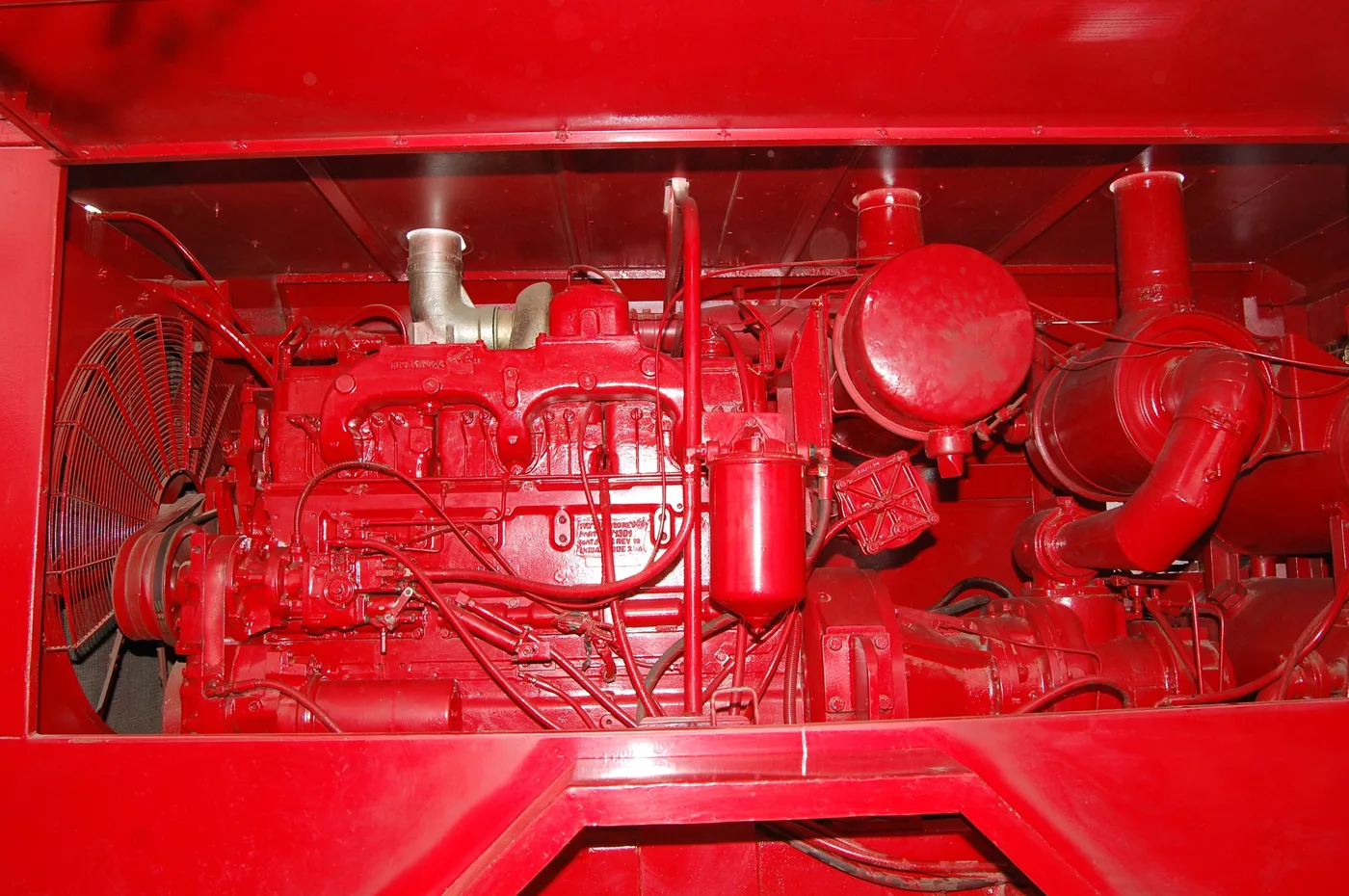
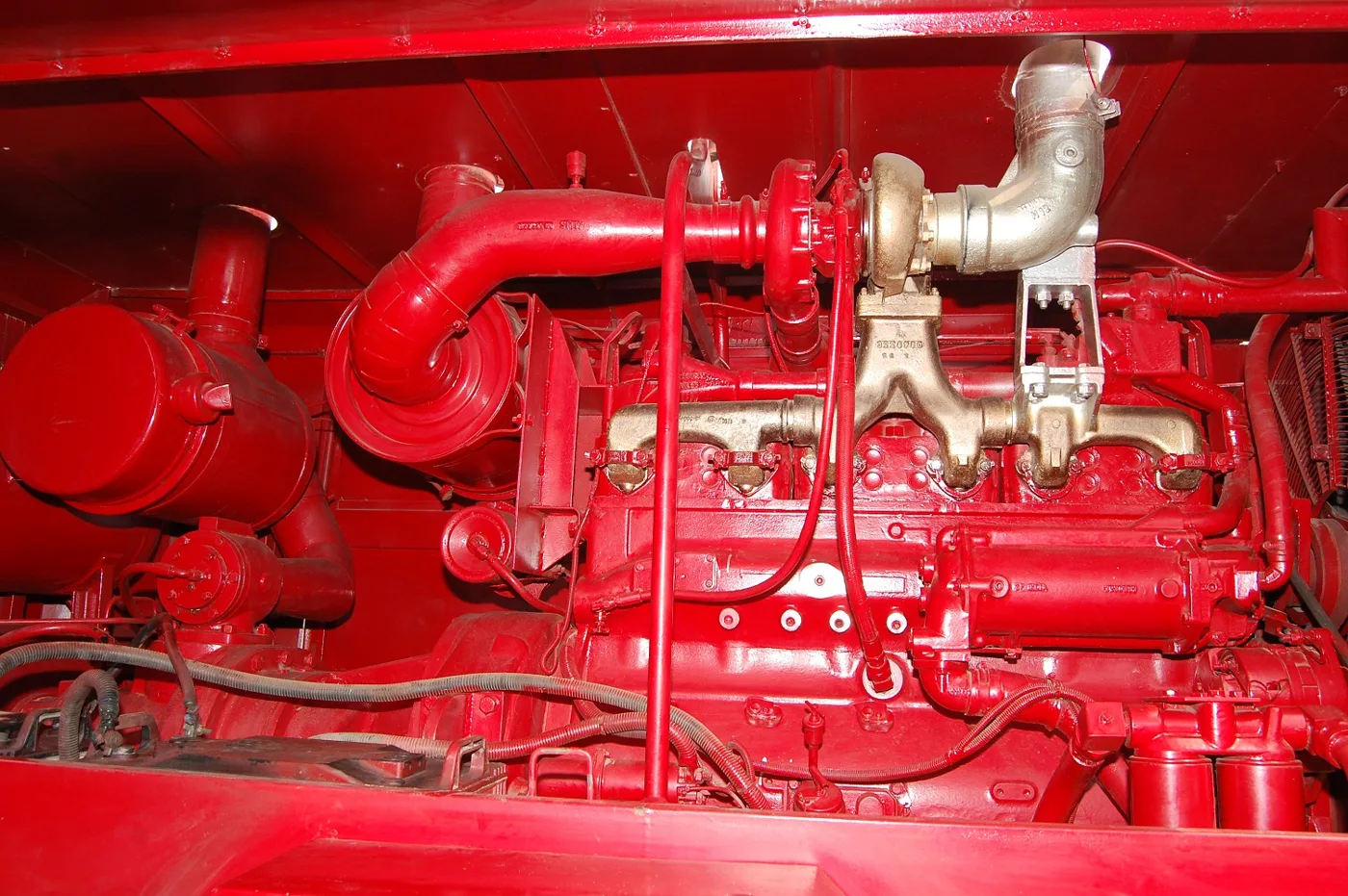
Photographs from Reddy Compressors’ own fleet and workshop.
The value of an AMC is not the visit itself. It is the reduction in unplanned stoppages, the early warning of failures that are expensive when they happen suddenly, and the confidence that someone is responsible for the compressed-air plant. For a plant engineer, it also means one point of contact and a predictable maintenance budget.
What an AMC normally covers
A well-written AMC is built around the machines on your site and how hard they work. A typical scope includes:
- Scheduled services at intervals set by running hours and the manufacturer’s maintenance schedule. For oil-injected screw compressors this means air filter, oil filter, separator element and oil changes. For piston compressors it means valve, ring, oil and belt work. For portable diesel compressors it covers engine and compressor servicing together.
- Inspection visits between services: discharge temperature, pressure settings, load and unload behaviour, oil level and condition, leaks, belt tension, cooler cleanliness, drain function and controller alarm history.
- Parts planning, so that service kits, oil and wear parts are identified from the machine nameplate and confirmed before the visit.
- Breakdown support on agreed terms, with on-site diagnosis and a written report of the fault and the repair.
- Air treatment: refrigerated or desiccant dryer checks, filter element changes and drain testing, because wet or dirty air damages tools and processes even when the compressor itself is healthy.
- Service records for every visit, listing what was checked, what was replaced, the readings taken and anything that needs a decision from you.
What an AMC usually does not cover should be just as clear: airend overhauls, motor rewinds, damage from causes outside normal wear such as electrical faults or wrong oil, and repairs to equipment not named in the contract.
Comprehensive vs non-comprehensive AMC
The two main forms differ in who pays for parts and how predictable the annual cost is.
| Feature | Non-comprehensive (labour-only) AMC | Comprehensive AMC |
|---|---|---|
| Scheduled visits and labour | Included | Included |
| Routine consumables (filters, separator, oil) | Quoted and billed when due | Included, as named in the contract |
| Wear parts beyond the named list | Quoted separately | Usually quoted separately unless listed |
| Major repairs and overhauls | Quoted separately | Usually quoted separately |
| Annual cost predictability | Moderate; depends on parts used | High for the items covered |
| Contract fee | Lower | Higher, because parts risk moves to the provider |
| Suits | Sites that buy their own consumables, mixed fleets, lightly used machines | Critical, high-hour machines where budget certainty matters |
A third option, a breakdown-call arrangement with agreed rates, can be enough for sites with standby machines or light duty. It is cheaper in a good year but does not include planned inspections, so problems are found later.
How to choose the right type of contract
Four questions settle most decisions:
- How many hours does the compressor run? A screw compressor running two or three shifts reaches service intervals quickly, so consumable costs are a large part of the yearly spend. Comprehensive cover makes that predictable.
- How critical is the air supply? If a stoppage halts production, choose a contract with planned inspections and clear breakdown terms, and think about standby capacity or rental arrangements.
- How old is the machine and what condition is it in? An older compressor with unknown history should be inspected before a comprehensive AMC is priced, because hidden wear will affect the risk on both sides.
- Who buys your parts? If your purchase team prefers to procure consumables directly, a labour-only AMC avoids duplication.
Many plants with several compressors use a mix: comprehensive cover on the main base-load machines and labour-only cover on standby or small units.
Machines and equipment an AMC can include
- Rotary screw compressors: fixed speed and variable speed, oil-injected and oil-free.
- Reciprocating (piston) compressors: single-stage, two-stage, tank-mounted and base-mounted.
- Portable diesel compressors used on construction, borewell and project sites.
- Refrigerated and desiccant air dryers, line filters and automatic drains.
- Air receivers and safety valves, for visual checks and valve testing arrangements.
Listing every asset by make, model and serial number in the contract avoids disputes later about what is covered.
What a good service visit looks like
Ask any AMC provider what their technician actually does on site. A competent screw compressor visit typically includes:
- Reading the controller: running hours, loaded hours, alarm and trip history.
- Recording discharge pressure, load and unload pressures, and discharge or airend temperature at load.
- Checking oil level, colour and any signs of foaming, varnish or emulsion.
- Inspecting the oil cooler and aftercooler for dust and oil fouling, and cleaning where needed.
- Checking belts or couplings, motor current and visible vibration or noise.
- Testing condensate drains and checking the dryer dew point and filter differential pressure.
- Looking for oil and air leaks on the package and in the compressor room.
- Replacing service items that are due, using parts confirmed for the machine.
- Writing up readings, work done and recommendations, and sharing the report.
Readings matter because trends reveal problems early. A discharge temperature that climbs a few degrees between visits often points to cooler fouling or oil degradation long before a trip.
How to compare AMC offers
AMC quotations often look similar on the first page and very different in the detail. Compare them line by line:
| Point to compare | What to look for |
|---|---|
| Assets covered | Every machine listed by make, model and serial number, including dryers and filters |
| Visit schedule | Number of service and inspection visits, and how intervals are tied to running hours |
| Parts included | An itemised list of consumables in a comprehensive AMC, with oil grade and quantity |
| Parts quality | How parts are identified and how fit is confirmed for your machine |
| Breakdown terms | How calls are raised, what is chargeable, and what happens outside working hours |
| Exclusions | Overhauls, electrical faults, misuse, parts not listed, travel beyond a stated area |
| Reporting | A written report with readings after every visit, not just a signed job card |
| Technician competence | Experience with your compressor type and brand, and with dryers |
| Renewal and price change | How the fee changes on renewal and how mid-year additions are priced |
The cheapest quote is not always the lowest cost. A contract that skips cooler cleaning or dryer checks can look good for a year and then leave you with an airend failure or wet air in the process.
Common AMC pitfalls
- Contracts that say “all parts included” without a list, which leads to disagreement when an expensive item fails.
- Service intervals set by calendar alone, ignoring a compressor that runs far more hours than average.
- No mention of air treatment, so the dryer and drains are never checked.
- Reports without readings, so you cannot see whether the machine is getting better or worse.
- Oil of the wrong type or grade, which can shorten separator and bearing life.
- A machine taken under comprehensive cover without an initial condition check, causing disputes over pre-existing faults.
Does an AMC pay for itself? A worked example
An AMC is easiest to justify when you put numbers on what it prevents. The example below uses a single compressor and illustrative inputs; replace them with your own tariff, hours and downtime cost.
Inputs (illustrative)
- Oil-injected screw compressor delivering 12.5 m³/min (about 441 cfm) at 7 bar(g) (101.5 psig), with a 75 kW motor and 82 kW package input at full load.
- 5,000 loaded hours a year.
- Electricity tariff assumed at ₹8.50/kWh.
- Production loss assumed at ₹20,000 per hour of unplanned compressor stoppage.
Step 1: leaks
Without regular leak surveys, leakage of 20% of output is common. A disciplined programme that brings it to 10% frees 12.5 × (0.20 − 0.10) = 1.25 m³/min (about 44 cfm). At 82 ÷ 12.5 = 6.56 kW per m³/min, that is 1.25 × 6.56 = 8.2 kW. Over 5,000 h: 8.2 × 5,000 = 41,000 kWh, worth 41,000 × 8.50 = ₹3,48,500 a year. This assumes the compressor’s loaded time or speed falls as demand falls; on a load/unload machine that keeps running unloaded, treat it as an upper estimate.
Step 2: filters and separator
A clogged separator and line filters can add 0.5 bar of pressure drop, forcing the set point up to keep pressure at the point of use. A common rule is about 7% more power per 1 bar of extra discharge pressure in the 7 bar(g) range, so 0.5 bar costs about 3.5%. Annual energy at full load is 82 × 5,000 = 4,10,000 kWh; 3.5% of that is 14,350 kWh, worth 14,350 × 8.50 = ₹1,21,975.
Step 3: avoided breakdowns
If planned servicing avoids two unplanned stops a year of 10 hours each, the saving is 2 × 10 × 20,000 = ₹4,00,000.
Result
Total avoidable cost: 3,48,500 + 1,21,975 + 4,00,000 = ₹8,70,475 a year. Any AMC that reliably delivers these three outcomes and costs less than this figure is self-funding on this machine. If your inputs give a much smaller number, a lighter non-comprehensive contract or a breakdown-call arrangement may be the better choice.
Readings every service report should record, with typical limits
A visit report is only useful if it records numbers that can be trended. The limits below are typical for an air-cooled oil-injected screw compressor; the maker’s figures for your model take precedence.
| Reading | How it is taken | Typical healthy range | Action trigger |
|---|---|---|---|
| Airend discharge (oil-out) temperature | Controller, checked with a contact thermometer | 75 to 95 °C | Sustained above about 100 °C; most machines trip near 110 to 115 °C |
| Separator differential pressure | Gauge or controller reading on load | Below about 0.3 bar when new | Replace at about 0.7 to 1.0 bar, or as the maker specifies |
| Oil filter differential pressure | Gauge or indicator on load | Low and stable | Replace before the bypass valve opens, commonly at about 1.0 bar |
| Air intake filter restriction | Indicator or vacuum gauge | Indicator in the green | Indicator red, or a sharp rise between visits |
| Cooler approach (air outlet minus ambient) | Thermometer at the aftercooler outlet and at the intake | About 8 to 15 °C | Rising trend; clean the cooler and check the fan |
| Motor current, each phase | Clamp meter on full load | At or below nameplate full-load current | Above nameplate current, or imbalance between phases above about 10% |
| Supply voltage imbalance | Voltmeter across phases | Within about 1% | Above about 2%; motor heating rises sharply |
| Pressure dew point after the dryer | Dryer display or a portable hygrometer | Refrigerated: about +3 to +10 °C. Desiccant: −40 °C or below where specified | Drift towards ambient, or water at drains downstream |
| Vibration | Portable meter at bearing housings, mm/s RMS | Stable against the machine’s own baseline | A step increase of about 50% over the baseline, or levels in the unacceptable zone of ISO 20816-3 (formerly ISO 10816-3) |
The report should also state the running and loaded hours, parts fitted (genuine or compatible), oil type and quantity, faults found, and recommended actions with a priority.
AMC KPIs worth tracking
Four or five numbers, recorded at every visit, tell you whether the contract is working.
| KPI | How to calculate | What a rising or falling trend means |
|---|---|---|
| Specific power | Package input kW ÷ delivered m³/min at a stated pressure | Rising: wear, fouled coolers, high pressure set point or leaks |
| Loaded hours ratio | Loaded hours ÷ running hours for the period | Falling with steady production: leaks fixed or demand reduced. Rising: new demand or new leaks |
| Leakage | No-production load/unload test: loaded time ÷ (loaded + unloaded time) × 100 | Rising between visits: leak survey not being acted on |
| Unplanned stops | Stops per 1,000 running hours, with the cause of each | Repeat causes point to a root problem the visits are missing |
| Pressure dew point | Recorded at the dryer outlet | Drift towards ambient: dryer, drain or desiccant problem |
Worked figures
Leakage test: with all production air users off, the compressor loads for 18 s and unloads for 42 s. Leakage = 18 ÷ (18 + 42) × 100 = 30% of capacity.
Specific power drift: last year’s visit recorded 82 kW for 12.5 m³/min, which is 6.56 kW per m³/min. This year it reads 86 kW for 12.0 m³/min, which is 7.17 kW per m³/min, about 9% worse at the same pressure. That is a signal to look at coolers, the separator and the airend before the next season. The specific power page explains measurement.
AMCs for several sites and mixed fleets
Plants with machines of several makes, or several plants in one group, can bring everything under one contract if the paperwork is built for it.
- One asset register: each compressor, dryer, filter and receiver listed by site, make, model, serial number and running hours. Scope and price apply per asset, not per site.
- Intervals by hours, not by calendar: a base-load machine at 7,000 h a year and a standby at 800 h a year should not be serviced on the same dates.
- One report format: the same readings in the same units for every make, so specific power and dew point can be compared across the fleet.
- Common consumables: grouping orders for filters and oil by site reduces stock-outs; the register should state the oil type per machine so different oil families are never mixed.
- Visit planning for distant sites: combine scheduled services at nearby sites into one trip and agree in advance how breakdowns at each site will be handled.
What to review before renewing an AMC
- Read the year’s reports as a set. Plot specific power, unplanned stops and dew point. Flat or improving trends mean the contract worked.
- Check the scope against reality. Remove scrapped machines, add new ones and correct running hours used for pricing.
- Look at what was billed outside the contract. If most of the cost came from parts outside a labour-only AMC, compare it with a comprehensive quote.
- Plan major work. Machines approaching an airend overhaul or desiccant change in the coming year should have it listed and budgeted, not left as a surprise.
- Reset targets. Agree target values for leakage, specific power and dew point for the next year and write them into the renewal.
How Reddy Compressors helps
Reddy Compressors offers AMCs for rotary screw, reciprocating and portable diesel compressors across the major brands, including Atlas Copco, Ingersoll Rand, ELGi, KAESER, Chicago Pneumatic, Gardner Denver, Sullair, Doosan, Kirloskar, Bobcat and many more. Our service teams cover the whole of Telangana and Andhra Pradesh, and we supply compressors, rentals and spare parts across India.
We start with a site visit to list the machines, read running hours, and check condition, so the contract reflects your real plant. Service parts are identified from each machine’s make, model, serial number and nameplate, and fit is confirmed before quoting. We can include dryers, filters and drains in the same contract, and we also handle breakdown repair, overhauls, air audits and rental support when a machine is out of service.
What to send us
- A list of compressors with make, model and serial number, and nameplate photos
- Approximate running hours per day and days per week for each machine
- Dryers, filters and receivers you want included
- Recent service history or the last service report, if available
- Your preference: comprehensive, labour-only or a mix
- Site location and any access or safety requirements
Frequently asked questions
What is included in a compressor AMC?
A compressor AMC normally includes scheduled services based on running hours, inspection visits between services, parts planning, breakdown support on agreed terms and a written report after each visit. A comprehensive AMC also includes named consumables such as air filter, oil filter, separator element and oil. Dryers, line filters and drains can be added so that air quality is checked along with the compressor.
Watch
A short explainer on this topic
Slide-by-slide engineering explainers from Reddy Compressors. More in the video library.
What is the difference between a comprehensive and non-comprehensive AMC?
A non-comprehensive AMC covers scheduled visits, inspections and labour, with parts and oil quoted and billed separately when they are needed. A comprehensive AMC also includes the routine consumables listed in the contract, so the annual cost is more predictable. In both types, major repairs, overhauls and damage from causes outside normal wear are usually quoted separately, so check the exclusions carefully.
Is an AMC worth it for an air compressor?
For a compressor that runs most of the day or supports production, an AMC is usually worthwhile because planned servicing and regular readings catch problems such as cooler fouling, oil degradation and drain failure before they cause a trip. For a lightly used machine with a standby, a breakdown-call arrangement or labour-only AMC may be enough. Base the decision on running hours and criticality.
How many service visits are there in a compressor AMC?
The number of visits depends on the machine type, the running hours and the manufacturer’s service intervals, so it varies from site to site. A high-hour screw compressor needs more frequent service than a lightly used piston unit. A good contract states the number of service and inspection visits and explains how intervals adjust if your running hours change during the year.
How do I compare AMC quotations for compressors?
Compare the asset list, visit schedule, itemised parts included, how parts are identified, breakdown terms, exclusions, reporting and renewal terms. Ask each provider what their technician checks on a visit and request a sample service report. A lower fee that leaves out cooler cleaning, dryer checks or recorded readings can end up costing more through failures and lost production.
Can one AMC cover different compressor brands?
Yes. An independent multi-brand service provider can cover a mixed fleet under one contract, for example a screw compressor of one brand, a piston compressor of another and a dryer from a third maker. Each machine should be listed by make, model and serial number, with its own service schedule and parts list, so that coverage is clear for every asset.
What is the cost of a compressor AMC and how is it worked out?
AMC cost depends on the number and type of machines, running hours, site conditions, whether parts are included and how many visits are needed. A comprehensive AMC costs more because the provider carries the parts risk. To judge value, compare the fee with what the contract prevents: leak and pressure-drop energy waste, plus the cost of unplanned stops. In the illustrative example on this page, those add up to about ₹8.7 lakh a year for one 75 kW class compressor. Send your asset list for a quotation.
What readings should a compressor AMC service report include?
At minimum: running and loaded hours, discharge pressure, airend discharge temperature, separator and oil filter differential pressure, air filter restriction, cooler approach temperature, motor current on each phase, supply voltage, and pressure dew point after the dryer. It should also list parts fitted, stating genuine or compatible, the oil type and quantity, faults found and recommended actions. Readings matter more than ticks, because only numbers can be trended from one visit to the next.
How do I measure whether my compressor AMC is working?
Track four or five KPIs at every visit: specific power in kW per m³/min, loaded hours ratio, leakage from a load/unload test, unplanned stops per 1,000 running hours and pressure dew point. Steady or improving figures show the contract is working. A specific power figure that has worsened by several percent over the year, or repeat stops with the same cause, means the visits are missing a root problem and the scope should be discussed before renewal.
Related pages
- Screw compressor service in Hyderabad, all brands
- Compressor AMC price: what drives the cost
- Centrifugal compressor service in Hyderabad
- Service levels and maintenance contracts
- Preventive maintenance for compressed air
- Rotary screw compressor service
- Reciprocating compressor maintenance
- Compressor service kits
- Air dryer service and dew-point performance
Technical content reviewed by D. Srinivas Reddy, Managing Partner and service engineer, Reddy Compressors. Last updated 7 November 2026. How our engineering content is reviewed.