
1 Choose the energy arrangement that can deliver the duty
Choosing diesel or electric rental air means selecting the complete energy and compressed-air arrangement that best serves the project. The decision depends on usable electrical supply, fuel access, demand profile, air quality, pressure, continuity, installation effort and total hire cost. Neither drive type is the automatic answer for every site.
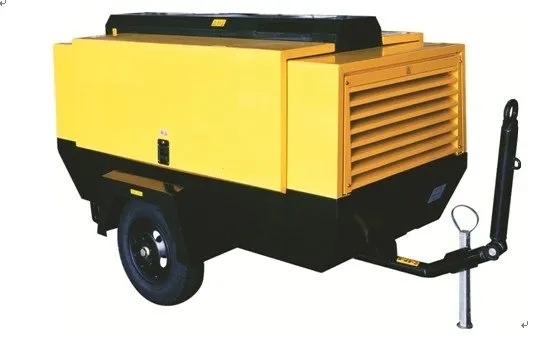
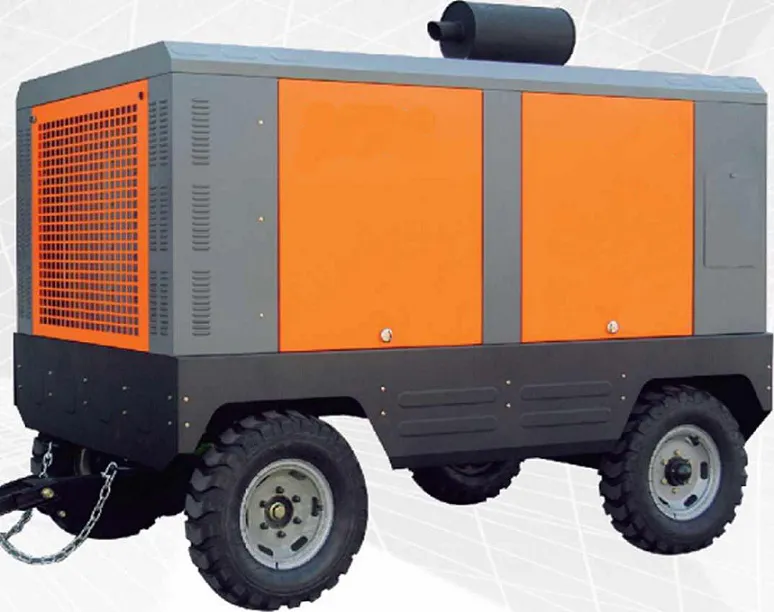
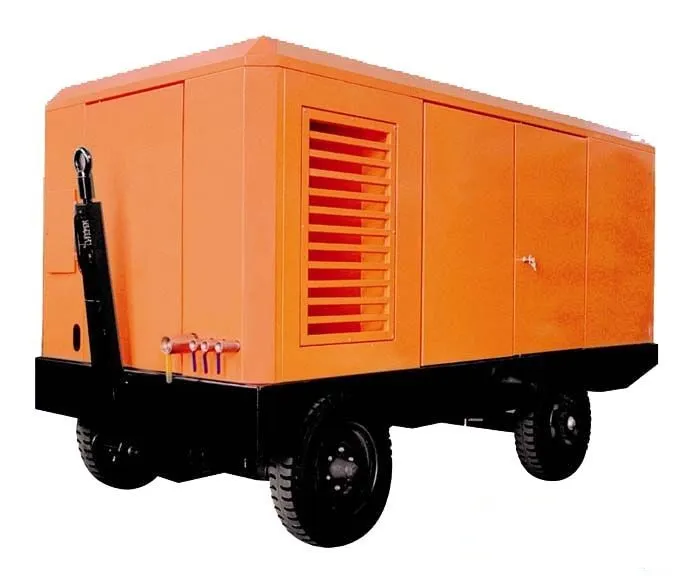
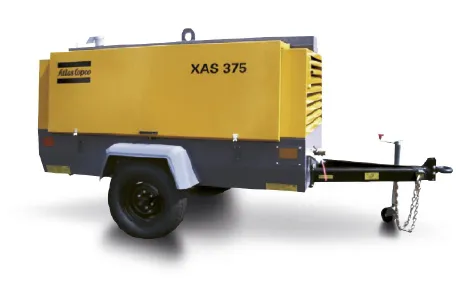
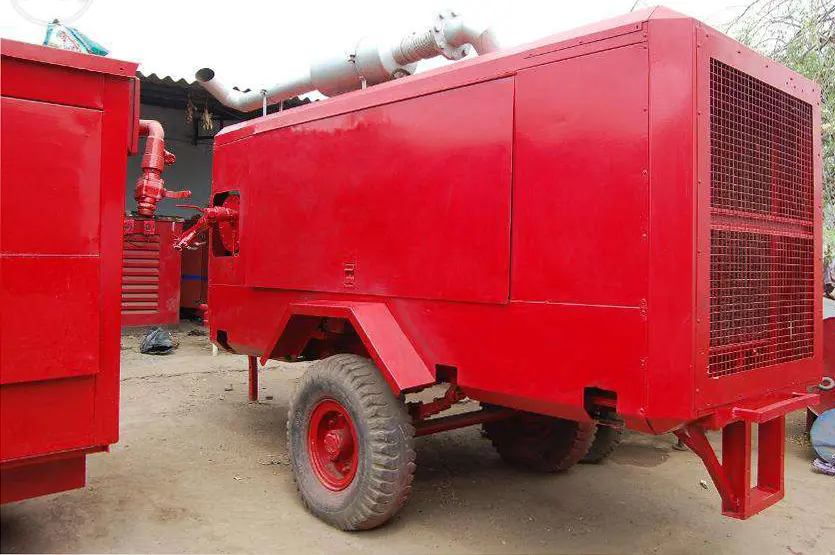
Representative images of machine types we sell, service and rent. Models and capacities are confirmed against your duty.
Grid-powered electric compression can be attractive where a suitable supply is available and sustained operating hours justify connection work. Direct diesel drive can be practical where power is unavailable, work moves between locations or independent temporary operation is needed. An electric compressor powered by a diesel generator is a third arrangement and must be evaluated separately.
Compare alternatives at the same net delivered flow, pressure, quality and operating profile. A lower machine rate or a lower nominal energy figure does not establish a better project if the quoted package provides a different service. Include treatment, distribution and energy-supply accessories in the comparison boundary.
This guide develops the drive-selection decision within the temporary-air engineering series.
2 Distinguish the three main supply arrangements
In a direct diesel package, the engine drives the compressor through the equipment's designed drive arrangement. The project requires fuel logistics and the site conditions needed for engine operation. Associated treatment may still require a separate electrical source, depending on its design.
In a grid-electric package, the motor receives power from a suitable site supply. Electrical connection, protection and equipment compatibility must be established. The existence of a nearby panel or socket does not demonstrate sufficient capacity or acceptable starting behaviour.
In a generator-fed electric package, diesel energy passes through the generator and electrical distribution before driving the compressor motor. This can be justified by equipment availability, quality requirements, modular operation or a broader temporary-power need. Its fuel use depends on the complete generator load profile and cannot be inferred from the electric compressor's kWh alone.
Arrangement | Main dependency | Principal comparison point |
|---|---|---|
Direct diesel | Fuel and engine operating conditions | Duty-based fuel use and logistics |
Grid electric | Verified usable electrical supply | Package energy and connection cost |
Generator electric | Compatible generator and distribution | Combined fuel use and extra equipment |
Other arrangements, including mixed fleets or storage-supported power, may be relevant. Treat them as defined engineering alternatives with their own operating strategy. Do not assume that a hybrid label establishes better efficiency, lower cost or improved reliability.
3 Establish equal air service before comparing energy
Record the delivery point, net flow reference basis, required pressure, quality and operating hours. Include peaks, low-load periods and the equipment-unavailable state. Confirm whether each proposal's airflow is compressor outlet flow or net treated flow after purge and other consumption.
Match performance at actual site conditions and the required pressure. An advertised maximum flow at a lower pressure is not equivalent to capacity at the duty pressure. Similarly, two proposals may differ in treatment inlet temperature, dryer capability or pressure loss even when their compressor flow descriptions look similar.
Drive type does not define air purity. Both diesel-driven and electrically driven compressor arrangements can use different compression technologies and treatment systems. Assess particles, moisture, oil and application-specific requirements through the complete air path. An electric motor is not evidence of oil-free air, and a diesel engine does not inherently mean oil-contaminated delivered air.
If one option needs a longer hose route because of its energy-source location, include that difference. Additional pressure loss can change the compressor operating requirement. Equal process service may therefore require different discharge pressures, which must be reflected in performance and consumption estimates.
4 Determine whether site electricity is actually usable
Ask the responsible electrical team to confirm supply voltage, frequency, phase arrangement, available capacity and the proposed connection method. Assess the selected compressor and auxiliaries against the actual installation. Include the loads that will remain connected during the temporary period and those that may start at the same time.
Starting behaviour can matter as much as steady operation. Direct-on-line, reduced-voltage and variable-speed arrangements have different characteristics. Obtain equipment information and assess the supply response rather than assuming one generic starting-current multiplier applies to every machine.
Cable route, length, environmental conditions and protection affect feasibility. The electrical design should address the applicable installation requirements, including earthing and protective coordination. The temporary nature of the hire does not make an improvised connection acceptable.
Check outage interactions. Electricity that is available during the site survey may be isolated during the planned maintenance. An electric compressor intended to support a shutdown needs a supply that remains available in that operating case. Record the confirmed boundary and any dependencies on plant switchgear, transformers or backup systems.
5 Understand what diesel independence does and does not mean
A diesel compressor can reduce dependence on the site's electrical infrastructure, but it remains dependent on fuel, engine condition, suitable placement and operating support. Confirm the replenishment plan, permitted delivery times, access and the people responsible for maintaining supply throughout the hire.
Use the applicable equipment information for fuel type, service requirements and operating limitations. Where an engine has exhaust after-treatment, identify the associated consumables and operating requirements for that particular package. Do not generalise one engine's requirements to all rental machines.
Assess exhaust, ventilation, cooling and intake-air conditions at the intended location. A machine that can operate outdoors may be unsuitable for an enclosed or poorly ventilated position. Evaluate site and jurisdiction requirements for the proposed installation without assuming that a supplier's equipment description resolves every local restriction.
Diesel independence also has limits where treatment needs electricity. A diesel compressor combined with an electrically powered dryer may still lose the required quality if the dryer supply fails. The contingency assessment must cover the complete air service, not only whether the engine continues running.
6 Evaluate the actual demand profile
Calculate consumption across the operating states expected during the project. High-load production, reduced demand, unloading, idle operation and standby can have different electrical or fuel requirements. Rated motor power and an engine's maximum fuel rate do not describe all these states.
For each option, obtain a suitable performance basis for its control method. A variable-speed compressor can respond to changing demand within its supported range, but its behaviour below that range must be considered. A fixed-speed machine may work effectively at stable duty or within a coordinated multi-machine arrangement. The drive technology alone does not identify the lower-energy solution.
Short peaks should be evaluated with the actual source response and any storage. If a larger machine is selected solely for a brief event, examine its operation during the much longer normal and low-load periods. Conversely, a smaller machine with storage needs enough spare capacity to recharge between repeated events.
Measure or estimate the complete package boundary consistently. Include cooling fans, dryers, pumps and other auxiliaries where they differ between proposals. If two options use identical treatment, it can be shown separately for clarity, but it remains part of the total project cost.
7 Calculate electricity and fuel on compatible boundaries
Electrical energy over a set of steady duty states is E = Σ(Pi × hi), where Pi is measured or supported package input in kW and hi is operating time in hours. For continuously changing duty, integrate the power record over time. Use electrical input, not motor shaft output, when estimating billed energy.
Fuel consumption can be estimated as F = Σ(fi × hi), where fi is the supported fuel rate in litres per hour for each operating state. Include fuel used during unloaded operation, standby running or other periods included in the agreed boundary. Use duty-specific equipment information or measurements rather than a full-load value multiplied by an arbitrary load percentage.
Energy cost is the relevant consumption multiplied by the applicable unit price, with additional tariff elements evaluated separately. Demand charges, time-of-use rates or changed contracted capacity may affect an electric option. Count only the charges the project actually creates or avoids; do not add an entire existing site bill to the temporary compressor.
Fuel cost should include the relevant delivered price and separately identified handling or delivery costs. Keep units, taxes and commercial assumptions consistent between alternatives. The examples below use invented prices and consumption values solely to demonstrate the method.
8 Worked duty profile comparison
Assume two hypothetical packages deliver the same required net treated-air service during a 12-hour operating day. For the purpose of this calculation, their supported consumption values already include the energy needed for the agreed complete air package. These are illustrative data, not specifications for a particular available machine.
Daily state | Electric input | Diesel fuel rate |
|---|---|---|
High load for 8 hours | 110 kW | 28 litres per hour |
Reduced load for 3 hours | 75 kW | 21 litres per hour |
Idle for 1 hour | 25 kW | 8 litres per hour |
Electricity consumption is 110 × 8 + 75 × 3 + 25 × 1 = 1,130 kWh per day. Diesel consumption is 28 × 8 + 21 × 3 + 8 × 1 = 295 litres per day. Both examples assume that the idle period remains part of the operating arrangement; a verified shutdown strategy could change the result.
At an illustrative electricity price of ₹9 per kWh, daily electricity cost is ₹10,170. At an illustrative delivered diesel price of ₹90 per litre, daily fuel cost is ₹26,550. The difference is ₹16,380 per operating day before differences in hire, connection, servicing and other project costs.
This arithmetic does not establish a universal electric saving. Different machines, pressures, duty profiles, tariffs and fuel prices can produce different results. First verify that both candidates provide equivalent service, then replace every assumed input with the relevant project evidence.
9 Add the costs that a machine-rate comparison misses
Build the project estimate from equipment hire, treatment, transport, mobilisation, connection work, distribution, energy, operators or attendance, servicing and demobilisation. Identify whether each item is a fixed project cost, a calendar-based charge, an operating-hour charge or a consumption-based cost.
For grid-electric air, include the specific connection and temporary-distribution work needed for the project. Some work may retain value for future use, but that should be identified explicitly rather than treated as free. Include additional recurring electrical charges where applicable.
For direct diesel air, include fuel deliveries, any external fuel arrangement, relevant consumables and operating support not already covered by the hire. For generator-fed air, include the generator, electrical distribution, transport, servicing and its full fuel profile. Avoid counting costs twice when a package quotation already includes them.
Compare the same hire period and extension assumptions. A lower daily hire rate with a longer minimum period may cost more for a short project. A delay in connection can also change the required rental duration. State these schedule assumptions alongside the estimate so the apparent saving is not detached from how the installation will be used.
10 Calculate a project break even point
Using the illustrative daily energy difference of ₹16,380, suppose the electric option needs ₹180,000 more initial connection and mobilisation expenditure than the diesel option. Also suppose its other recurring charges are ₹2,000 more per operating day. The net daily advantage becomes ₹14,380, assuming all other costs and service requirements are equivalent.
The simple break-even operating duration is ₹180,000 / ₹14,380, or approximately 12.5 operating days. At 30 operating days, the illustrative net advantage is 30 × ₹14,380 − ₹180,000 = ₹251,400. At five operating days, the same assumptions give a disadvantage of ₹108,100 for the electric option.
Operating days and calendar hire days may differ. If rental charges continue during non-production days, model those separately. An early estimate that ignores weekends, shutdown delays or minimum-hire terms can materially misstate the break-even point.
This is a short-project cash comparison, not a complete discounted investment appraisal. For a longer arrangement, changing costs, residual value, maintenance timing and financing assumptions may need evaluation. The decision should also respect service and feasibility constraints: an option that cannot meet the duty is not made acceptable by a favourable payback calculation.
11 Test sensitivity before relying on the result
Identify the inputs capable of changing the preferred option. Common examples include actual operating hours, average loading, connection cost, hire duration, electricity price, fuel price and whether a temporary generator becomes necessary. Recalculate coherent alternative cases rather than attaching one unexplained uncertainty percentage to the total.
For the earlier example, assume electricity instead costs ₹15 per kWh while all other stated values remain unchanged. Daily electric energy cost becomes ₹16,950, leaving a daily energy difference of ₹9,600. After the assumed ₹2,000 recurring-cost difference, the net daily advantage is ₹7,600 and the simple break-even duration becomes approximately 23.7 operating days.
The example shows that the original 12.5-day result depends on its assumptions. It does not show that either price is current or representative of the customer's tariff. Use the applicable commercial information and identify whether prices are fixed for the hire or subject to change.
Where the decision is sensitive to an uncertain input, resolve that input first if practical. Verifying available electrical capacity may be more valuable than refining fuel-cost arithmetic if failure to obtain the connection would force an entirely different supply arrangement.
12 Treat generator fed electric air as a separate system
An electric compressor supplied by a diesel generator combines two machines and their controls. Evaluate the generator's ability to support starting, steady load, transitions and auxiliary demand. Use suitable load and power-quality information for the particular compressor drive rather than applying one universal generator-sizing multiplier.
A variable-speed drive can reduce some starting demands, but it does not remove all compatibility questions. The generator, drive and distribution must be assessed for the intended operation, including voltage behaviour and relevant power-quality characteristics. An oversized generator can also have an unfavourable operating profile when the air demand falls.
For illustration, suppose a matched generator-fed arrangement consumes an average of 32 litres per hour over the same 12-hour duty while providing equivalent air service. It uses 384 litres per day, costing ₹34,560 at the illustrative ₹90 per litre. That is ₹8,010 more fuel cost per day than the earlier direct-diesel example, before extra hire and connection costs.
These values do not prove that direct diesel always uses less fuel. A shared generator, different equipment performance or a different duty profile can change the result. If the generator also serves other loads, separate cost allocation from the physical comparison: assess the incremental fuel and cost caused by adding the compressor, and also confirm that the combined system remains suitable.
13 Compare continuity and failure dependencies
For grid-electric air, identify what happens if the relevant feeder or upstream supply fails. Confirm whether the project requires full-duty continuity, essential-load continuity or a defined recovery period.
For diesel air, consider fuel interruption, engine faults and maintenance needs alongside compressor faults. Two units can share a common fuel-delivery dependency. Treatment and distribution may also remain common points of failure, regardless of how independently the compressor engines operate.
A mixed arrangement can sometimes provide useful diversity. An electric unit may carry sustained demand while a diesel package provides an agreed contingency or serves a separate mobile duty. The controls, tie-in and treatment must support that operating philosophy. Simply parking an additional machine onsite does not demonstrate that it can assume the required service.
Define changeover time, pressure behaviour, load shedding and acceptance evidence. Storage may bridge a short interruption within its usable range, but it cannot sustain air indefinitely. Verify the whole recovery sequence against the process requirement rather than describing the system as redundant solely from installed capacity.
14 Assess location mobility noise and emissions accurately
Diesel drive can be useful for moving work fronts where electrical connections are unavailable or costly to relocate. Grid-electric air can suit a stable installation near a verified supply. Both still need suitable air routes, access and operating space. The position imposed by the energy source can affect the air system's pressure loss and practicality.
An electric compressor avoids combustion exhaust at the compressor when powered electrically, but it is not silent and is not automatically free of environmental impacts. Fans, air discharge and mechanical operation produce noise, and electricity has an upstream generation boundary. Generator-fed electric air relocates combustion to the generator rather than eliminating it.
Do not claim a universal carbon reduction from drive type alone. Compare electricity consumption and fuel use with appropriate, dated emission factors and clearly stated boundaries if an emissions assessment is required. Keep direct site emissions distinct from upstream energy emissions.
Determine the applicable operating restrictions for the actual site, equipment and dates before deployment. Noise limits, emissions requirements, fuel arrangements and hazardous-area conditions are location-specific considerations. This guide does not assign a blanket regulatory permission or quote an unverified limit for the customer's installation.
15 Keep maintenance and support inside the comparison
Request the service schedule and responsibility boundary for each proposed package. Consider actual running hours, access and the effect of stopping equipment for maintenance. The absence of an engine in an electric compressor removes engine-related tasks but does not remove compressor, cooling, treatment or electrical maintenance.
A direct diesel package combines engine and compressor service needs. Generator-fed electric air adds generator servicing to the electric compressor and treatment requirements. Establish whether support can be coordinated without interrupting the agreed air service.
Confirm who supplies consumables, attends alarms and authorises setting changes. Include the practical means of accessing equipment after installation. An efficient machine arrangement can still be a poor project choice if routine service requires disruptive relocation or if fuel and maintenance access are repeatedly blocked.
Distinguish requested support from confirmed commitments. Equipment availability, replacement arrangements and emergency coordination depend on the assignment. Do not interpret a general service description as a guaranteed response time or an unconditional spare-machine reservation.
16 Use a decision matrix with meaningful exclusions
First remove options that cannot meet the required air service or site conditions. Then compare total cost and operational suitability among the feasible alternatives. A weighted score should not allow a low price to cancel an unacceptable pressure, quality or continuity result.
Project condition | Option to examine first | Evidence still required |
|---|---|---|
Stable duty and verified grid | Grid electric | Connection, duty energy and outage case |
No suitable site power | Direct diesel | Fuel, placement and complete treatment supply |
Electric package required | Generator electric | Combined compatibility and fuel profile |
Moving work location | Mobile supply arrangement | Access, air route and relocation needs |
Critical continuous service | Diverse or backed supply | Defined failure response and surviving duty |
Very short hire | Lowest total feasible cost | Setup costs and actual operating period |
These are starting points for assessment, not automatic selections. Record why the preferred option suits the duty, which assumptions remain and what change would reopen the decision. A later extension of the hire or a newly available electrical connection can alter the economics.
17 Verify the decision during operation
At commissioning, demonstrate the required flow, pressure and quality at the agreed boundary. Record the equipment configuration, control settings, energy-source arrangement and operating states. Confirm that starting and load changes do not create unacceptable effects on the air service or supporting utilities.
During representative operation, compare actual electrical energy or fuel use with the estimate. Use matching production and air-service conditions. A fuel issue record may include tank-inventory changes or other consumers, while an electrical meter may exclude a separate dryer; reconcile these boundaries before concluding that one option underperformed.
If demand differs materially from the specification, reassess controls, operating hours and machine combinations. Do not preserve an inefficient arrangement merely because its original selection was reasonable. Any changes must continue to satisfy the process pressure, quality and continuity requirements.
Retain the measured project evidence for future hire decisions. It can improve subsequent estimates, provided the next project uses compatible equipment, conditions and boundaries. A result from one duty should not become an unconditional percentage-saving claim across all rental applications.
18 Frequently asked questions
Is electric rental air always cheaper than diesel
No. Compare equivalent delivered service over the actual operating profile, including connection work, hire, energy, auxiliaries and project duration. A favourable energy price may not recover substantial setup cost during a very short hire.
Can an electric compressor run from a generator
It can be assessed for that arrangement. The generator and distribution must suit the compressor's starting, drive and operating characteristics and the auxiliary loads. Include generator hire, fuel, servicing and connection costs in the comparison.
Does electric drive mean oil free air
No. Drive source and compression technology are separate characteristics. Confirm the compressor design and the complete treatment and distribution arrangement against the required delivered air quality.
Can diesel air operate without any electrical supply
Some packages can, but the complete system must be checked. Dryers, controls or other auxiliaries may require electricity even when the main compressor is engine-driven. Confirm every utility dependency.
Should I compare motor power with engine power
Those ratings do not directly establish useful air service or operating cost. Compare supported net flow at pressure and quality, then assess measured or documented package electrical input and duty-specific fuel use.
When should the drive choice be reconsidered
Reassess it when hire duration, demand, electrical availability, equipment configuration, route, tariff or fuel logistics change materially. Preserve the original comparison and record the revised assumptions and decision.
19 Request a project specific comparison
Provide the required net flow, pressure, air quality, duty profile, dates and site location. Include the available electrical-supply information, fuel arrangements and proposed equipment positions from the site survey. Identify the required response to an interruption and any specialist process conditions.
Reddy Compressors can use these inputs to assess feasible temporary-air arrangements and coordinate a project-specific proposal. Telangana and Andhra Pradesh are priority enquiry regions; support elsewhere, specialist equipment, availability and mobilisation depend on confirmation for the assignment.
Sources and evidence basis
21 Sources and continuity record
This article develops a distinct three-arrangement comparison with original hypothetical calculations.
External source 1: Atlas Copco, Diesel versus electric operational-cost calculator, https://webapps.atlascopco.com/evdcalculator. Consulted for the limited comparison principle that site power availability, usage profile, energy prices and equipment consumption data affect operating-cost assessment. Its model-specific results are not used as Reddy Compressors performance claims.
External source 2: Atlas Copco, Modular Power Stations for rent, https://www.atlascopco.com/en-in/rental/products/diesel-power-generators-for-rent/modular-power-supply. Consulted for the limited principle that temporary-power sizing and partial-load operation affect generator fuel performance. No supplier-specific availability or guarantee is transferred to this article.
All financial and consumption values in the worked examples are assumptions for illustration, not current quotations, tariffs or measured project conclusions.