
What a service kit contains
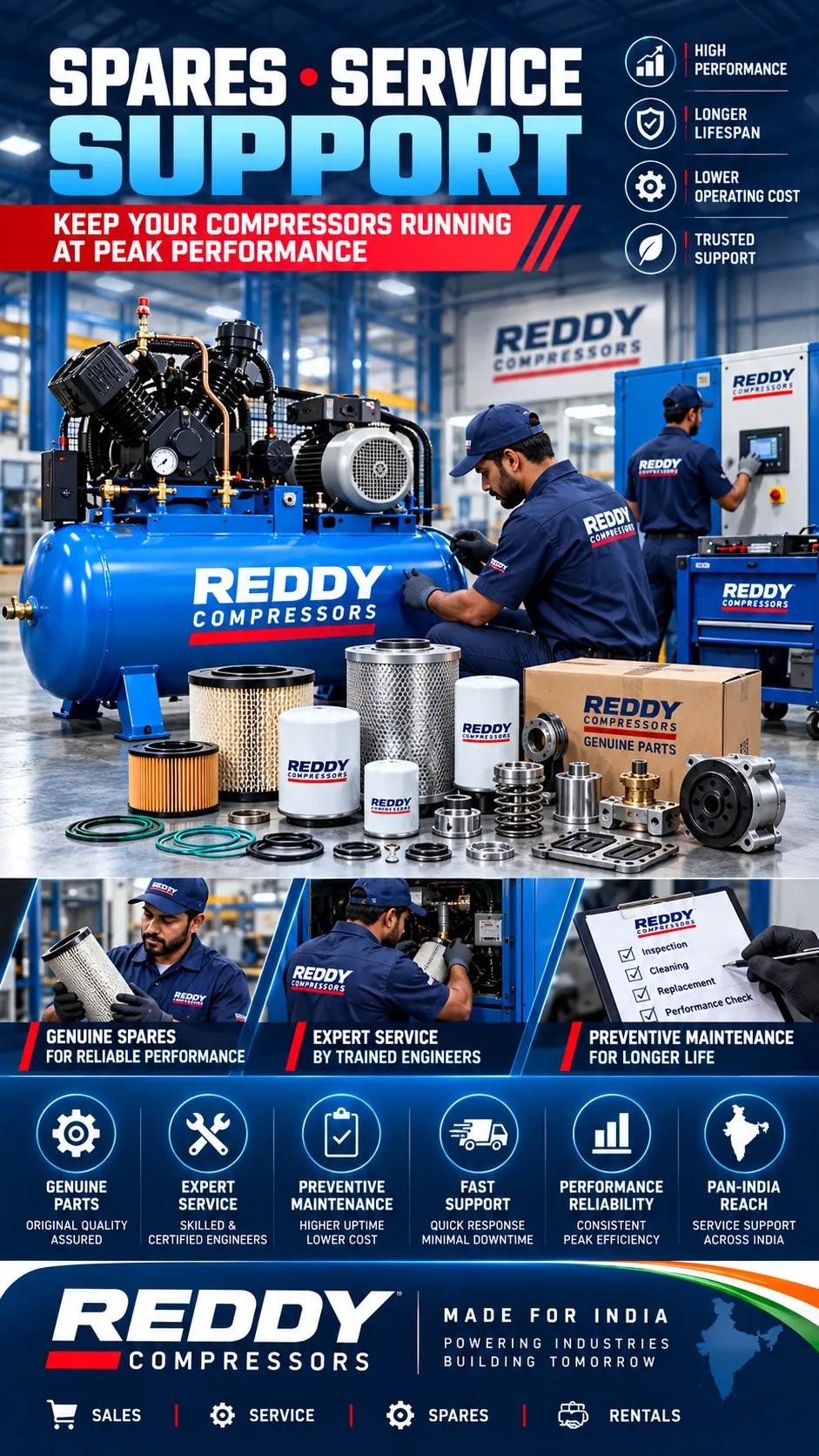
Contents vary by machine and by interval. A kit may include intake and oil filters, an air-oil separator element, seals, gaskets or valve kits, and lubricant is usually listed separately. The service interval, running hours and the machine's maintenance schedule decide what is needed.
Identify the kit correctly
To identify it:
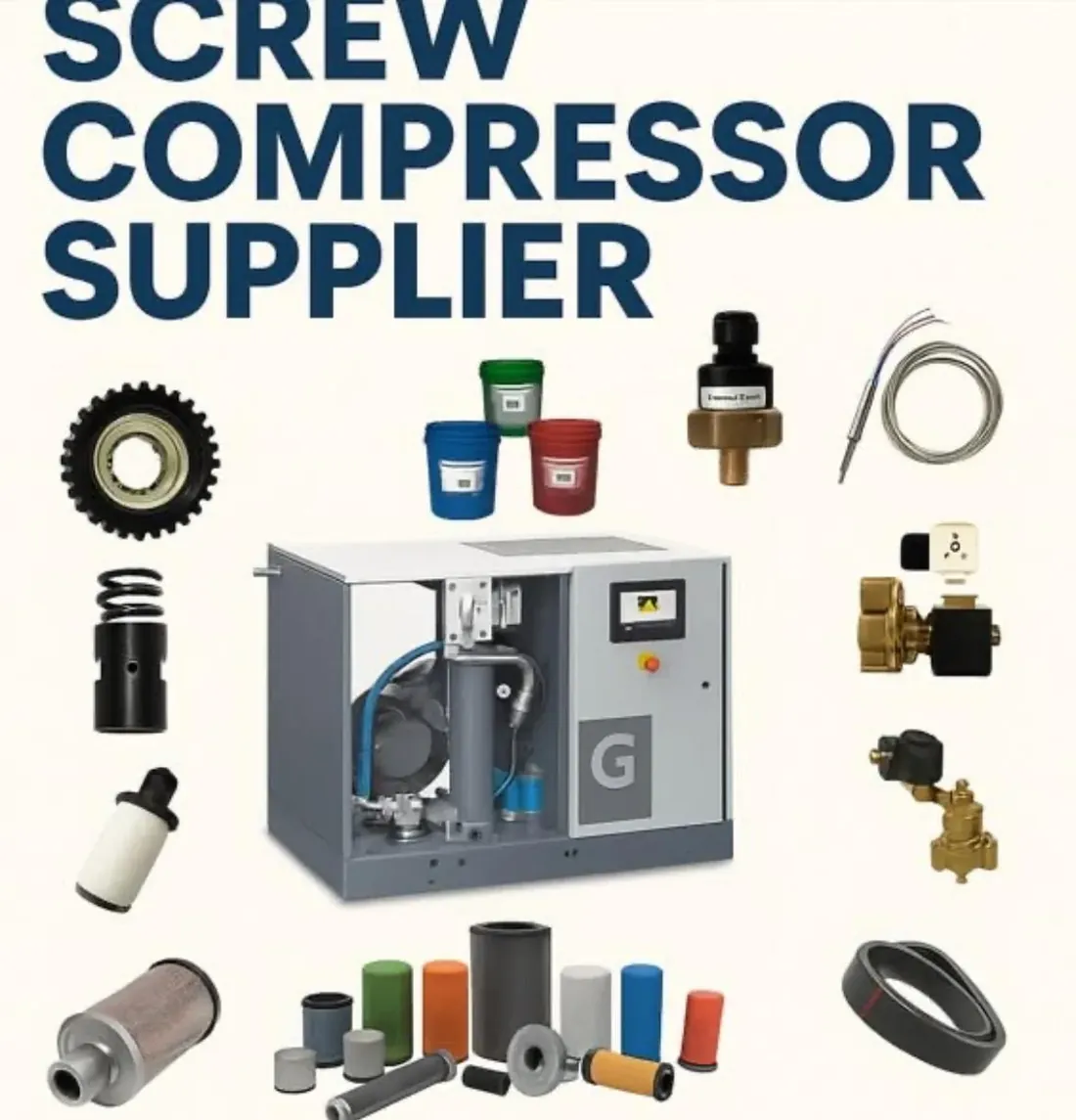
- Compressor make, model and serial number from the nameplate
- The existing part number and any superseded number
- Photographs of the nameplate and of the installed part
- Operating hours and the fault or service interval that triggered the enquiry
Kit or individual parts?
A kit helps when the whole service interval is due and avoids a missing item delaying the job. Individual parts suit a repair or a partial service. We help you decide which fits your machine and schedule.
Common mistakes
Mistakes we see:
- Ordering by horsepower or capacity instead of the exact model
- Using a kit for a different service interval
- Reusing seals or gaskets that should be replaced
- Ignoring lubricant compatibility when changing fluids
Before you order
Confirm the kit contents line by line against the service schedule for your machine.
Ask for the supply status of the item: whether it is genuine, OEM-approved or an alternative, and whether it is in stock or must be sourced.
Check the lead-time basis and the warranty terms that apply.
Frequently asked questions
Is a kit cheaper than buying parts separately?
It can be, but the main benefit is completeness and a smaller chance of missing a part during the service. We quote on the correct contents, not just the price.
Can you build a kit for an older machine?
Yes, where the individual parts can be identified and sourced. The quotation lists each item and its supply status.
Do kits include lubricant?
Not always. We state clearly in the quotation whether lubricant is included and confirm that it suits your machine and operating conditions.