
Why identification comes first
Two parts that look the same can differ in media, sealing geometry, pressure rating, electrical rating, firmware revision or fitment. Matching by appearance, size or an old quotation is the most common cause of a wrong part arriving on site.
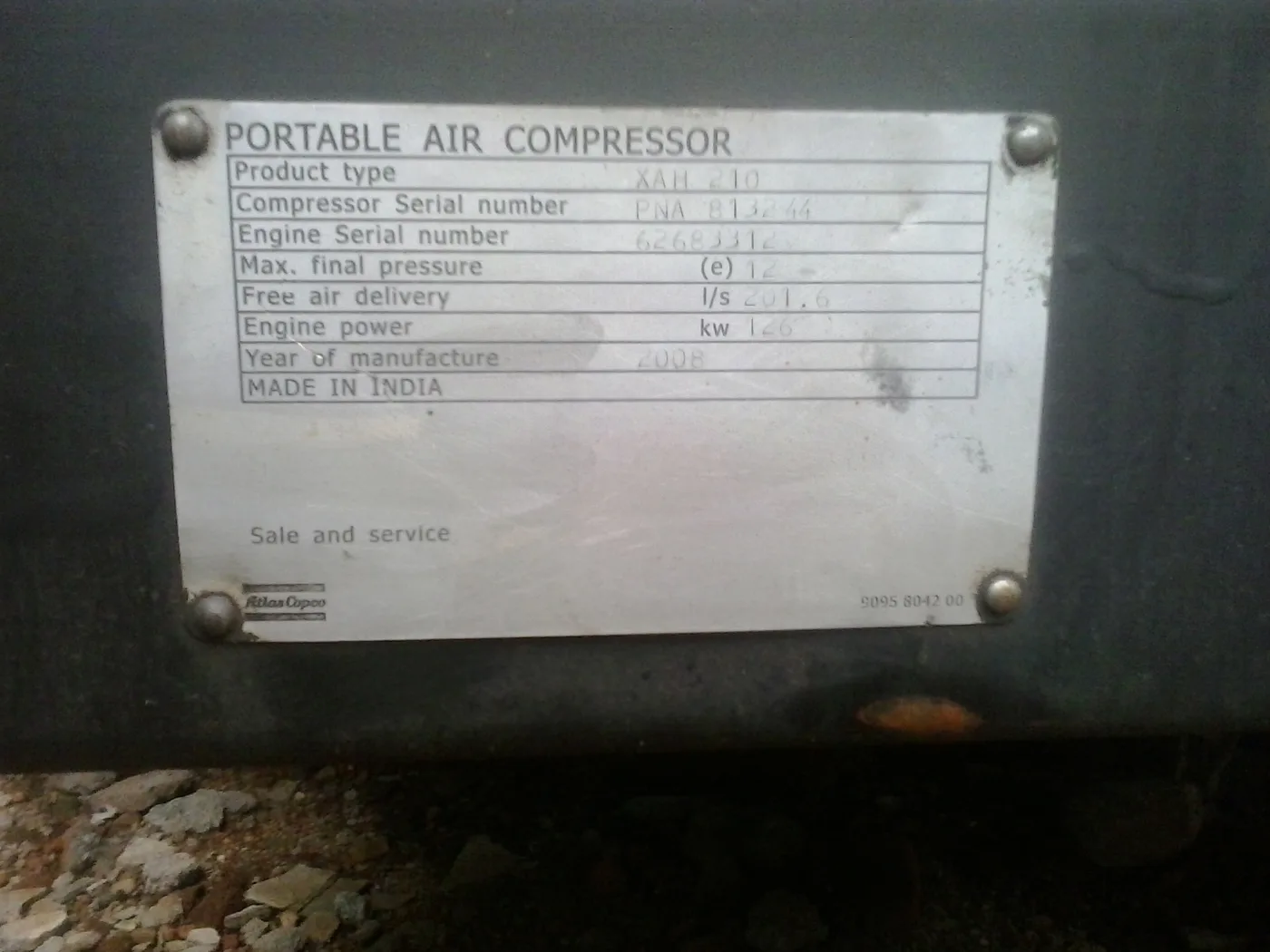
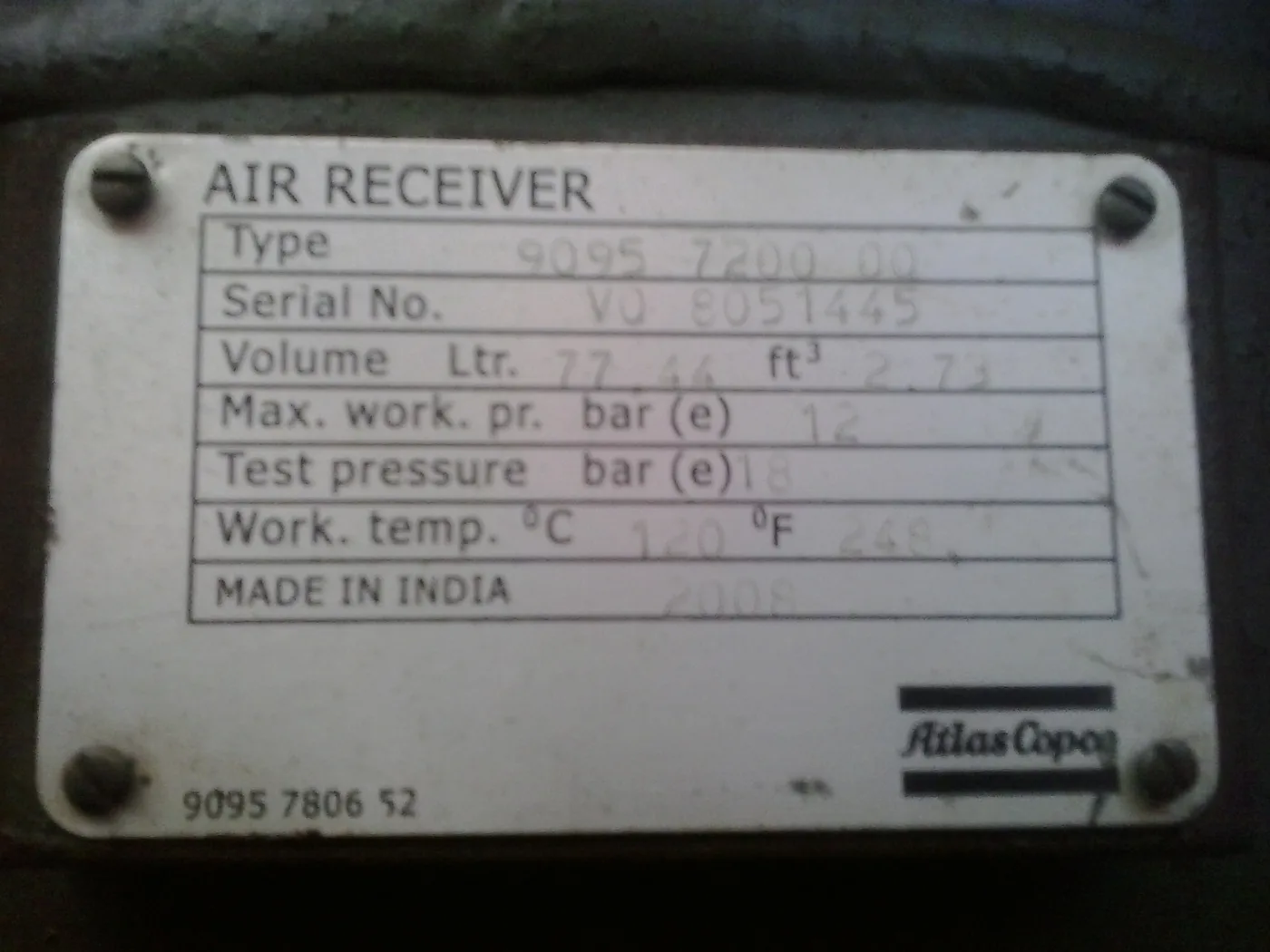
Photographs from Reddy Compressors' own fleet and workshop.
What we need from you
The following information lets us narrow a part quickly:
- Compressor make, model, serial number and year, if known
- Airend, motor, controller and engine identity where relevant
- Existing part number, superseded number and any number cast or etched in the part
- Photographs of the nameplate, the installed part, its ports, threads and connectors
- Operating hours, duty and what went wrong
How we verify
Our identification routine:
- Confirm the machine and its revision from the nameplate
- Match the part to the machine using current supplier or manufacturer information
- Check supersession and whether any modification is needed
- State the part identity, supply status, lead-time basis and terms in the quotation
- Check the part on receipt against the quotation before it is fitted
When the part cannot be identified
If the machine or part cannot be identified with confidence, we say so and ask for more information rather than quote a guess. In some cases a physical inspection or a measurement of the old part is the safest route.
Frequently asked questions
What if the nameplate is unreadable?
Send photographs of the machine from several angles, the old part and any documents you have. We can often work back to the identity, but we will tell you what remains uncertain.
Can you identify a part from a photo alone?
Sometimes, for simple items. For anything that affects performance or safety we also need the machine identity, because look-alike parts differ in ways a photo does not show.
Do you quote before verifying?
We can give an indicative view early, but a firm quotation follows verification so that the part, supply status and lead time are accurate.