
Compressed air. engineered for uptime
Compressed air may be invisible, but its effect on industrial performance is not.
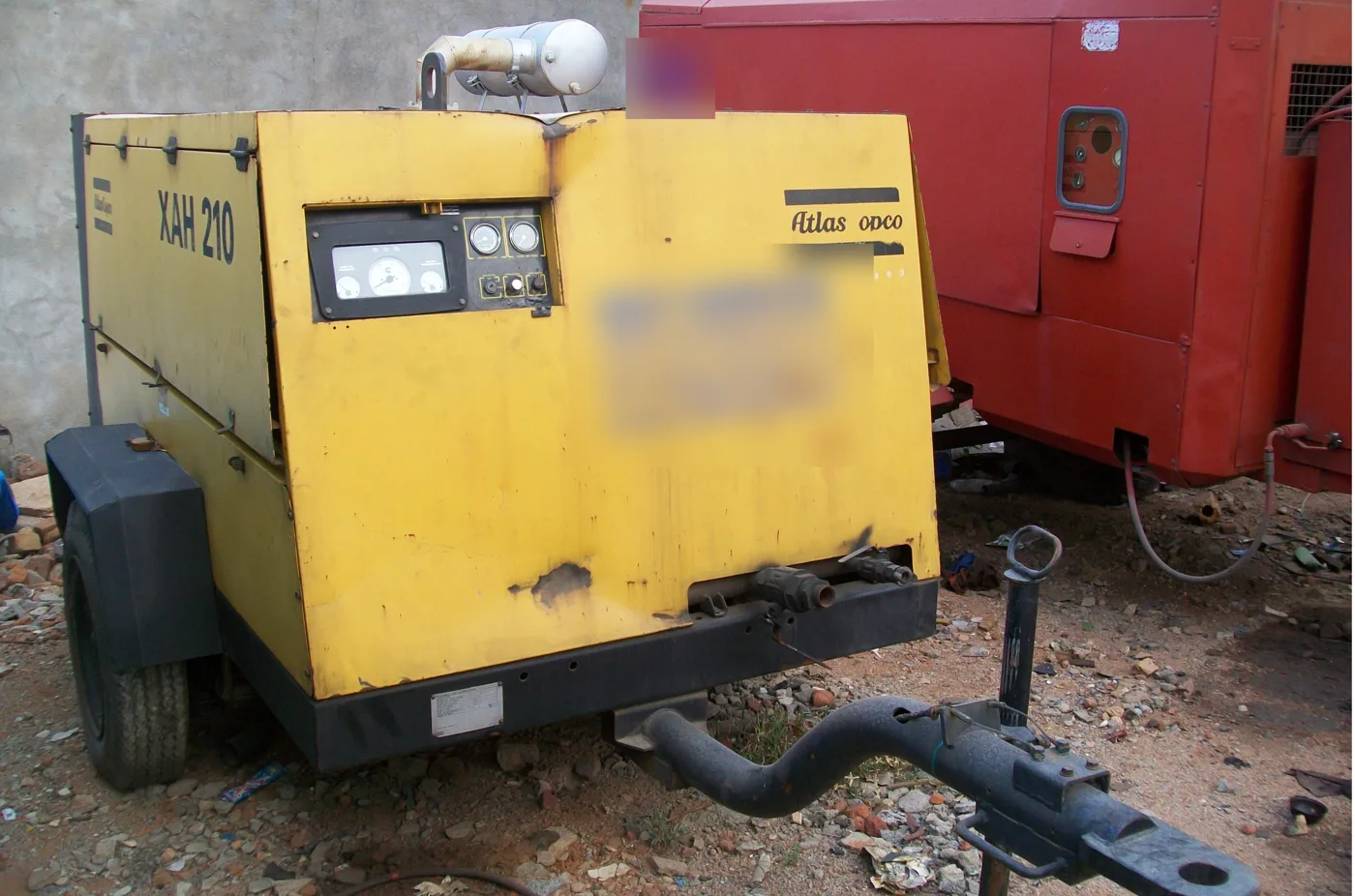
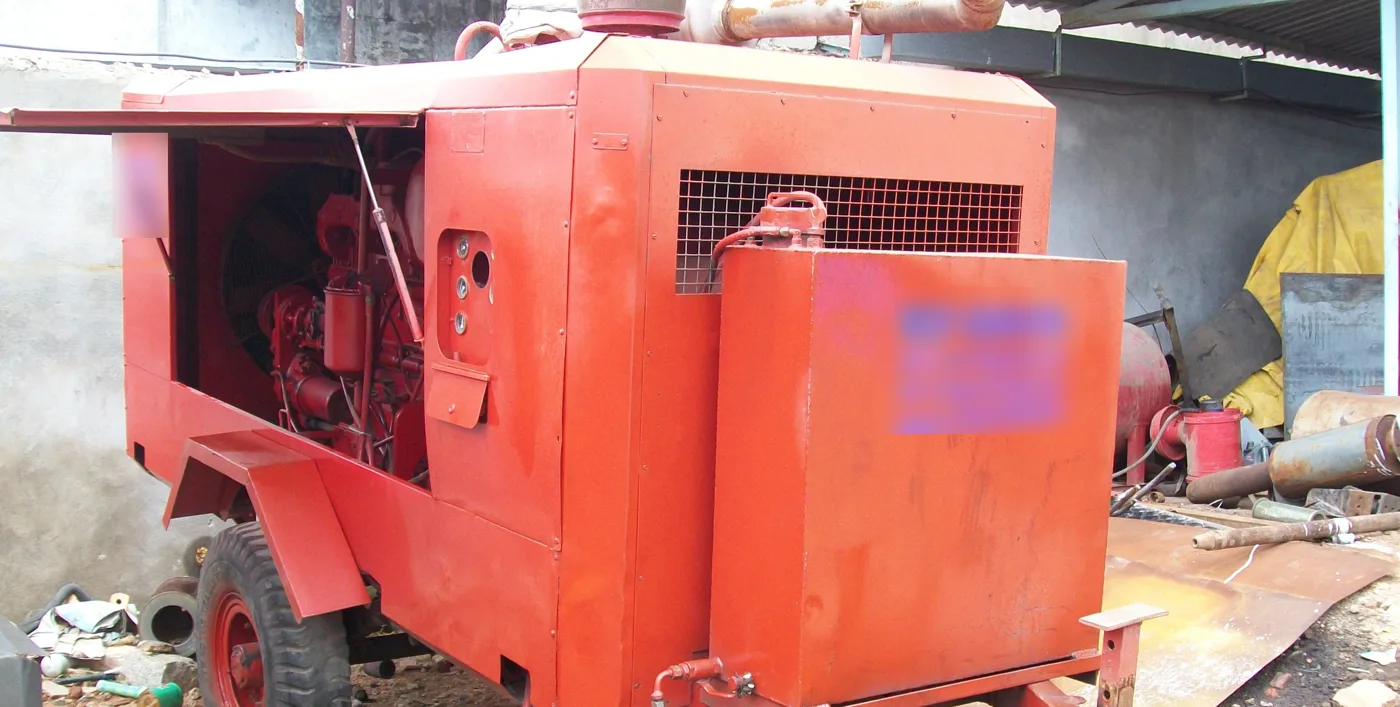
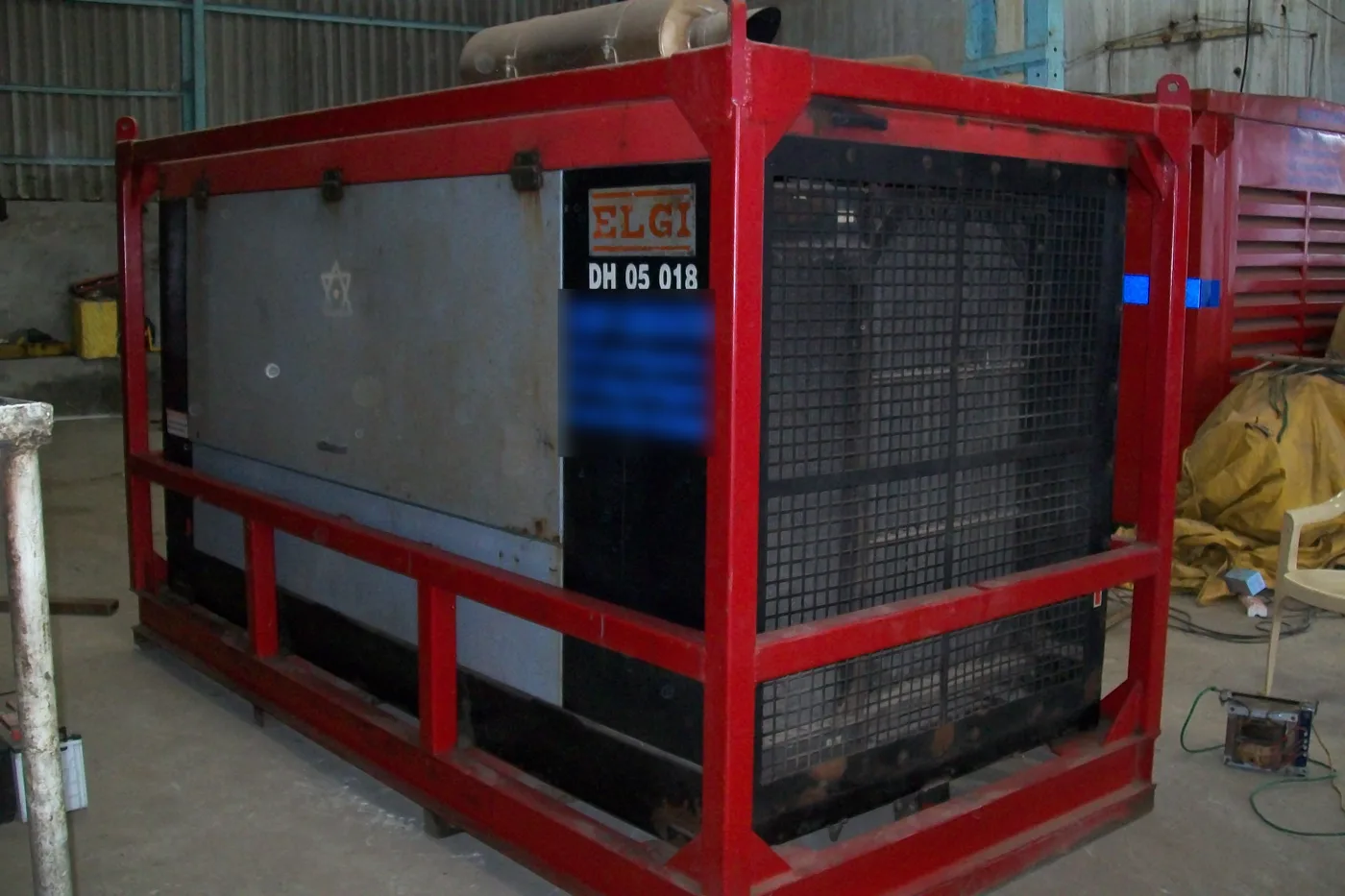
Photographs from Reddy Compressors' own fleet and workshop.
It operates tools.
It actuates valves.
It moves materials.
It supports automation.
It drives drilling equipment.
It supplies instrumentation.
It enables manufacturing processes.
It assists painting, blasting, packaging, conveying, fabrication and maintenance operations.
And when compressed air becomes unreliable, the consequences can appear throughout the operation—as pressure instability, reduced productivity, moisture problems, excessive energy use, poor tool performance, premature component wear or complete production interruption.
That is why Reddy Compressors approaches compressed air as an industrial system rather than simply a compressor transaction.
Our purpose is not merely to supply a machine capable of producing compressed air.
Our purpose is to help connect the equipment to the actual operating requirement:
Flow. Pressure. Duty. Air Quality. Storage. Treatment. Distribution. Control. Reliability. Lifecycle Cost.
Reliable compressed air depends on understanding flow, pressure, air quality, duty cycle, storage, treatment, distribution, controls and maintenance together, not the compressor alone.
The requirement comes first
A customer may contact us asking for:
- “A 500 CFM compressor.”
- But that number alone does not completely define the requirement
We still need to understand:
- At what pressure?
- For what application?
- Continuous or intermittent operation?
- Diesel or electric?
- Fixed installation or portable?
- What downstream equipment is being supplied?
- What is the expected operating duration?
- What pressure must actually reach the point of use?
- What is the air-quality requirement?
- How long is the piping or hose run?
- Are several consumers operating simultaneously?
- What is the ambient temperature?
- Is altitude relevant?
- Does the system need redundancy?
- What happens if the compressor stops?
The same nominal airflow can serve completely different operating duties.
A 500 CFM requirement for sandblasting is not automatically the same engineering problem as 500 CFM for manufacturing.
A drilling application is not the same as plant air.
A process-air system is not the same as pneumatic construction tools.
A rental compressor required during a shutdown has different priorities from a permanent factory installation.
The number begins the conversation.
The application defines the solution.
From equipment supply to complete compressed-air support
Industrial customers rarely require only one component.
A customer selecting a compressor may also need to understand:
- • compressor technology
- • working pressure
- • available airflow
- • duty cycle
- • electrical supply
- • diesel fuel requirement
- • dryer selection
- • filtration
- • receiver sizing
- • pipework
- • pressure drop
- • condensate management
- • controls
- • sequencing
- • installation
- • maintenance
- • spare parts
- • temporary backup
- • future expansion
That is why the Reddy Compressors operating model extends across the compressed-air lifecycle.
Equipment
Compressed-air equipment for permanent industrial, commercial, workshop, project and specialised requirements.
Our platform is being structured around technologies including:
- Rotary Screw Compressors
- Reciprocating Compressors
- Portable Compressors
- Diesel-Driven Compressors
- Electric Compressors
- Oil-Free Compressors
- High-Pressure Compressors
- High-Volume Compressors
- Booster Systems
- Centrifugal Compressors
- Gas Compressors
- Blowers
- Vacuum Systems
Final equipment availability and specifications remain subject to actual manufacturer, model, configuration and commercial confirmation.
Rental / hire
Not every compressed-air requirement justifies equipment ownership.
Rental can provide a practical operating pathway for:
- • construction
- • drilling
- • mining
- • quarrying
- • sandblasting
- • road breaking
- • project work
- • shutdowns
- • compressor failures
- • planned maintenance
- • production peaks
- • temporary plant expansion
- • commissioning
- • relocation
- • emergency continuity
- A rental compressor should still be selected through engineering
The useful starting information includes:
Application → Required Flow → Required Pressure → Site → Operating Hours → Rental Duration → Connection → Treatment → Environment
Rental is treated as a site requirement, not as whichever machine happens to be available.
Service & maintenance
A compressor begins ageing from the moment it starts operating.
Oil changes condition.
Filters accumulate contamination.
Separators increase in restriction.
Coolers foul.
Belts wear.
Bearings deteriorate.
Valves change condition.
Electrical connections can loosen.
Hoses age.
Controls can drift away from actual process demand.
A maintenance programme should therefore protect more than the machine.
It should help protect:
- Availability
- Efficiency
- Pressure Stability
- Temperature Control
- Air Quality
- Component Life
- Production Continuity
Reddy Compressors' service architecture covers lifecycle activities such as preventive maintenance, troubleshooting, repair, overhaul, installation support, parts support and maintenance programmes.
Diagnosis before replacement
One of the most expensive maintenance habits in industrial equipment is replacing components without understanding why the problem occurred.
A high-temperature alarm does not automatically identify one failed component.
Low pressure does not automatically prove the compressor is too small.
Moisture downstream does not automatically mean the dryer has failed.
High power consumption does not automatically mean a new compressor is required.
Professional troubleshooting should follow an evidence chain:
The objective is not simply to remove the alarm.
The objective is to understand why the alarm existed and confirm that the corrective action restored the intended operating condition.
Diagnosis is based on root cause, not on replacing parts until the alarm goes away.
Spare parts
Correct Parts Begin With Correct Identification
Industrial compressors can contain thousands of components.
A component that appears visually similar may differ by:
- • dimensions
- • material
- • pressure rating
- • temperature rating
- • thread
- • electrical specification
- • controller version
- • model revision
- • compressor generation
For that reason, Reddy Compressors' parts process should begin with equipment identification.
Useful information includes:
- Manufacturer
- Model
- Serial Number
- Existing Part Number
- Equipment Type
- Required Component
- Nameplate Photograph
- Component Photograph
- Application
- Urgency
Identifying the machine first reduces the risk of choosing components merely by appearance.
Air treatment
Producing compressed air is only one part of producing usable air.
Atmospheric air naturally contains moisture and contaminants.
Compression concentrates them.
Depending on the application, a complete treatment system can involve:
- Aftercooling
- Moisture Separation
- Air Receivers
- Refrigerated Drying
- Desiccant Drying
- Particulate Filtration
- Coalescing Filtration
- Activated-Carbon Treatment
- Condensate Drainage
- Oil-Water Separation
- Point-of-Use Treatment
The correct system does not necessarily contain the greatest number of components.
It contains the components required to achieve the intended air quality with acceptable:
Pressure Loss + Reliability + Maintenance + Lifecycle Cost
Distribution matters
The Compressor Room Is Only the Beginning
A compressor can be perfectly healthy while the compressed-air system performs poorly.
Pressure may disappear across an undersized pipe.
A dirty filter may create unnecessary restriction.
A long flexible hose may limit tool performance.
A regulator may be incorrectly set.
A ring main may have been poorly configured.
Leakage may create a permanent artificial load.
A process may be operating at a much higher pressure than required.
This is why our system boundary extends from the compressor room to the point of productive use.
The compressor is one stage in the complete compressed-air chain, not the system boundary.
Multi-brand. application-led
Industrial plants rarely operate a perfectly uniform compressor fleet.
Over time, sites may accumulate different:
- • compressor manufacturers
- • technologies
- • airends
- • motors
- • diesel engines
- • controllers
- • dryers
- • filtration systems
- • receivers
- • service components
- That makes multi-brand knowledge valuable
However, multi-brand support must never be confused with claiming authorisation from every manufacturer.
Reddy Compressors' website will therefore distinguish clearly between:
Authorised / formal relationship
Displayed only where current documentation supports the status.
Equipment supplied
Used where the specific equipment can genuinely be supplied.
Equipment serviced
Used where there is actual technical service capability.
Parts supported
Used where the relevant parts can genuinely be identified and sourced.
Customer-owned equipment supported
Used where service or technical support is available without implying manufacturer authorisation.
Sourced on request
For requirements dependent on supplier confirmation.
Knowledge only
Technical information without a commercial supply claim.
Brand relationships are described accurately. We do not claim partnerships with “all leading brands”.
One business. multiple compressor technologies
There is no universal compressor suitable for every duty.
Rotary Screw
Well suited to many continuous industrial applications.
Reciprocating
Effective where intermittent duty, specialised pressure requirements or capital priorities favour piston technology.
Portable Diesel
Designed for mobile and remote operations where compressed air must travel with the job.
Portable Electric
Useful where electrical power is available and temporary compressed air is required without a dedicated diesel engine.
Oil-Free
For processes where contamination control becomes a critical requirement.
High-Pressure
For drilling, testing and specialist industrial duties.
Centrifugal
For selected high-capacity continuous-flow installations.
Gas Compression
For specialised process gases and application-specific duties requiring a separate engineering approach.
Our role is not to force every requirement into one compressor family.
Our role is to determine:
Which technology best fits the operating requirement?
Portable air is a core capability
Reddy Compressors has a substantial historic association with portable compressed-air requirements.
Reddy Compressors has long offered sales, hire and service support around portable compressors.
Our engineering content covers:
- Construction
- Mining
- Quarrying
- DTH Drilling
- Borewell Drilling
- Foundation Drilling
- Sandblasting
- Road Breaking
- Tunnelling
- Guniting
- Cable Laying
- Pipeline Work
- Pneumatic Tools
- Temporary Plant Air
Historical manufacturer brochures will be used as technical reference where appropriate, but the final Reddy Compressors website will use original Reddy content rather than copied manufacturer promotional language.
Compressed air as the fourth industrial utility
Compressed air is frequently described as an industrial utility because so many processes depend on it.
But unlike electricity arriving from the grid, compressed air is usually generated inside the customer's own facility.
That means the customer owns not only the consumption.
The customer owns the inefficiency as well.
Every unnecessary leak, excessive pressure setting, pressure drop or inefficient control strategy must ultimately be paid for through:
- • electricity
- • diesel fuel
- • maintenance
- • lost capacity
- • increased equipment wear
- • additional capital investment
That is why our long-term direction extends beyond compressor equipment toward compressed-air utility engineering.
Our operating philosophy
01 — understand
Define the work.
What must compressed air actually accomplish?
02 — measure
Where practical, establish real operating information:
- • pressure
- • flow
- • temperature
- • operating hours
- • power
- • differential pressure
- • demand profile
- Measurements reduce guesswork
03 — select
Choose the compressor technology and configuration that match the duty.
04 — integrate
Consider the equipment around the compressor:
Treatment + Storage + Distribution + Controls + Point of Use
05 — support
Maintain the installation throughout its operating lifecycle.
06 — verify
After installation, repair or improvement, establish whether the intended problem was actually solved.
Our operating sequence: understand, measure, select, integrate, support and verify.
What we believe
The largest compressor is not necessarily the right compressor
Oversizing can introduce capital and operating penalties.
The lowest purchase price is not necessarily the lowest cost
Energy, maintenance, downtime, parts and equipment life matter.
Higher pressure is not automatically better
Unnecessary pressure requires unnecessary energy.
A bigger receiver does not create compressor capacity
Storage and generation are different engineering functions.
VSD is not automatically the most efficient answer
Value depends on the demand profile and system conditions.
Repairing the symptom is not the same as correcting the cause
Diagnostics matter.
Compressor efficiency alone does not define system efficiency
The entire chain matters.
The reddy compressors lifecycle
Our lifecycle approach guides customers through:
- REQUIREMENT
- → ASSESSMENT
- → SIZING
- → TECHNOLOGY SELECTION
- → EQUIPMENT SELECTION
- → AIR TREATMENT
- → STORAGE
- → DISTRIBUTION
- → INSTALLATION
- → COMMISSIONING
- → OPERATION
- → MAINTENANCE
- → CONDITION MONITORING
- → DIAGNOSIS
- → REPAIR
- → OVERHAUL
- → RENTAL BACKUP
- → UPGRADE
- → REPLACEMENT
- This is significantly broader than a catalogue website
- It is the architecture of a compressed-air lifecycle platform
Who we support
The new Reddy Compressors platform is designed to serve:
- Plant Engineers
- Maintenance Engineers
- Production Teams
- Project Managers
- Contractors
- Drilling Contractors
- Borewell Contractors
- Mining & Quarry Operators
- Infrastructure Companies
- Facilities Teams
- Procurement Professionals
- Workshops
- OEMs
- System Integrators
- Industrial Owners
- Each group enters the compressed-air decision at a different point
- Each can reach the information relevant to their task
Our long-term digital direction
The next generation of Reddy Compressors combines:
Equipment intelligence
Understanding compressor technologies, configurations and limitations.
Application engineering
Connecting CFM and pressure to what the customer actually needs to accomplish.
System engineering
Integrating compression, treatment, storage, piping and control.
Rental engineering
Making temporary compressed air as disciplined as permanent plant air.
Reliability engineering
Moving from scheduled servicing toward condition evidence and root-cause thinking.
Parts intelligence
Connecting machine identity to correct component selection.
Digital tools
Calculators, selectors, comparison tools and diagnostic workflows.
Knowledge
Explaining compressed air deeply enough that customers can make better technical decisions.
Over time we aim to move from equipment supply toward a compressed-air intelligence platform built on field experience, engineering data, digital tools, monitoring and lifecycle decision-making.
About our history
Reddy Compressors has served industrial customers in Hyderabad and Secunderabad since 2002, with a long association with portable compressed-air requirements.
Our standard
We would rather let the work speak than keep calling ourselves:
“world-class.”
We aim to demonstrate that standard through:
- • technical depth
- • clear writing
- • useful engineering tools
- • disciplined specifications
- • quality visuals
- • strong navigation
- • credible evidence
- • intelligent comparison
- • transparent commercial boundaries
- • complete lifecycle support
Customers should be able to reach that conclusion from the quality of the platform.
Closing
- The machine produces compressed air
- The system delivers productive air
That distinction defines where Reddy Compressors is heading.
From compressor selection to temporary air.
From air treatment to distribution.
From preventive maintenance to root-cause diagnosis.
From spare-part identification to major overhaul.
From borewell drilling to manufacturing.
From equipment to engineering intelligence.
Reddy compressors
Compressed air. engineered for uptime
Equipment • Rental / Hire • Service • Installation • AMC • Overhaul • Spare Parts • Air Treatment • Distribution • Engineering Support
Primary CTA
Discuss My Compressed-Air Requirement
Secondary CTAs
Explore Compressor Technologies
Request Rental / Hire
Request Service
Request Spare Parts