
Industrial plants are multi-brand in the real world
Industrial compressed-air systems rarely remain uniform throughout their entire operating life.
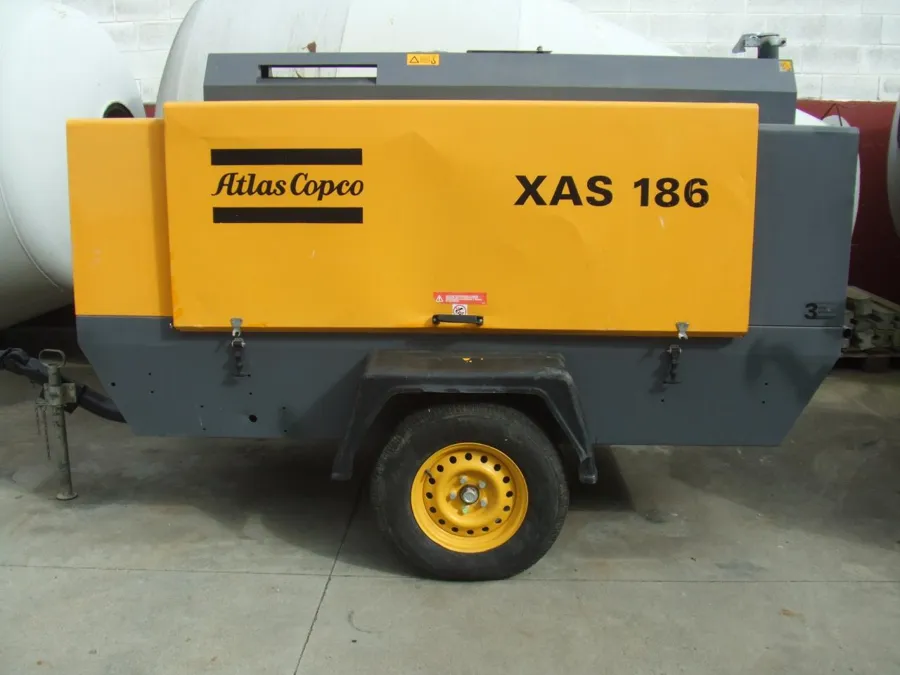
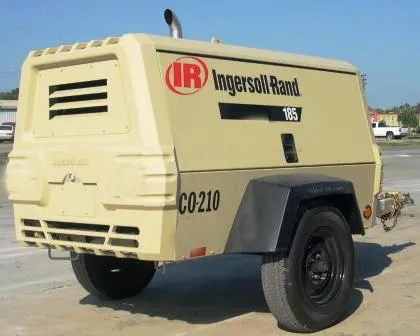
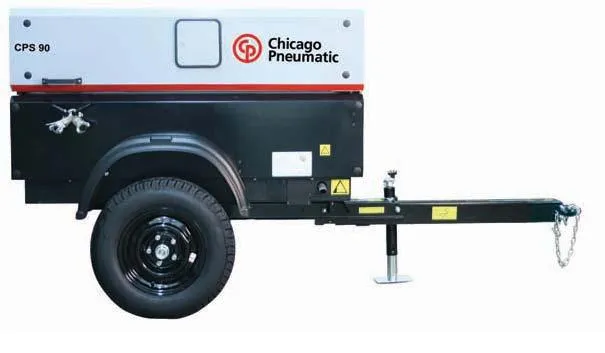
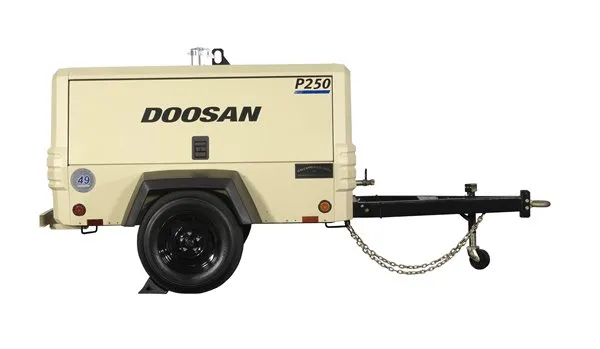
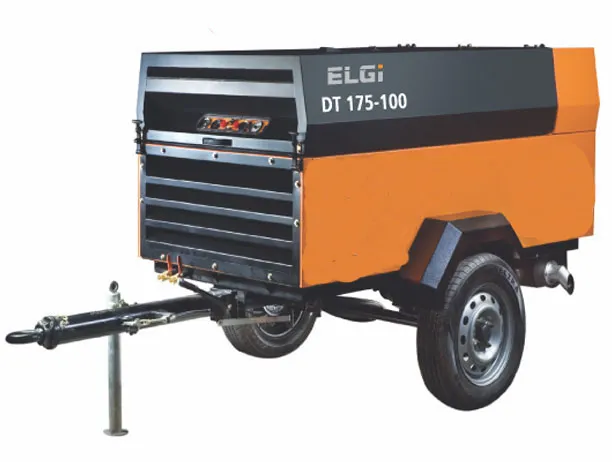
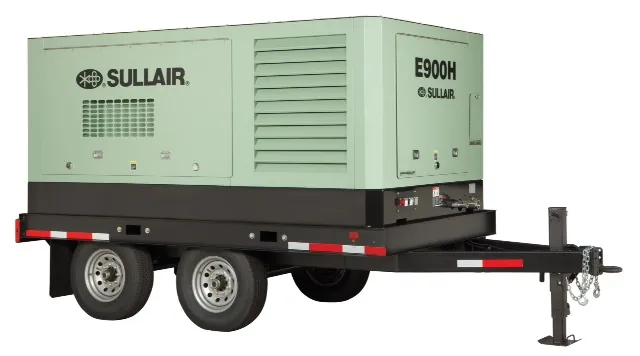
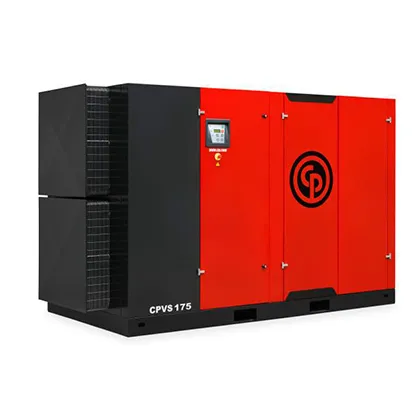
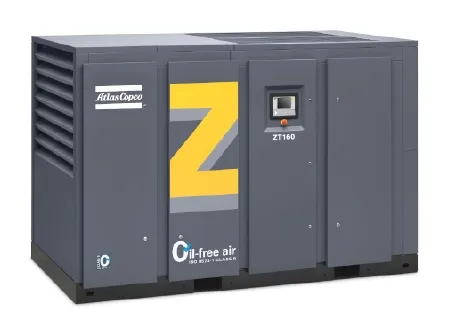
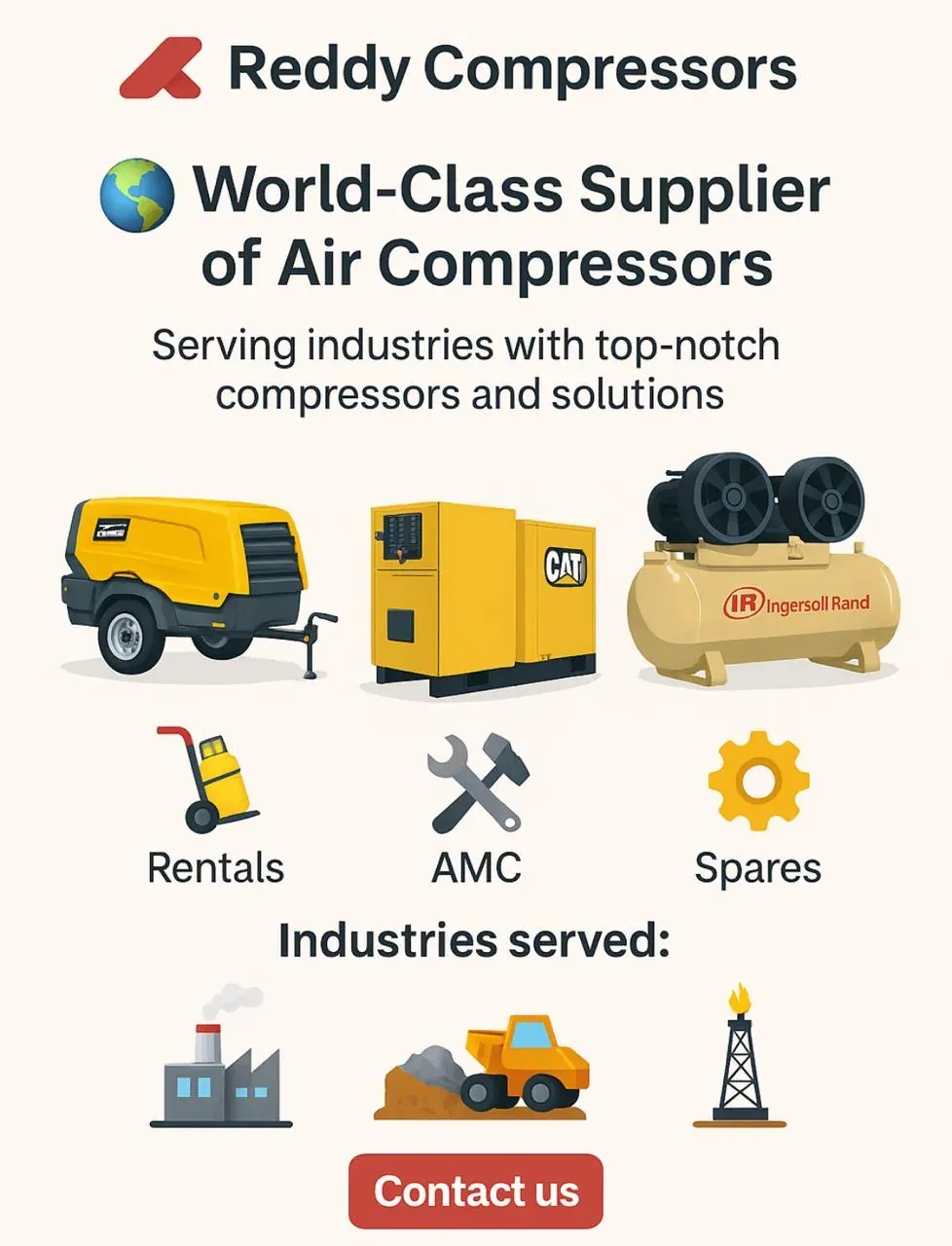
Representative images of machine types we sell, service and rent. Models and capacities are confirmed against your duty.
A facility may begin with one compressor manufacturer.
A later expansion may introduce another.
A project compressor may come from a different supplier.
A rental machine may use another compressor technology.
The dryer may come from one manufacturer.
Filters from another.
Receivers, controls, engines, airends and ancillary equipment may all have different origins.
Over time, a compressed-air installation can become a genuinely mixed technology environment.
It therefore identifies multi-brand understanding as commercially important.
Reddy Compressors should be built for that reality.
Multi-brand does not mean “authorised for every brand.”
This distinction is fundamental.
A company may:
- • supply a particular machine
- • service customer-owned equipment
- • source a spare part
- • understand a compressor technology
- • rent a certain equipment class
- without being the manufacturer's authorised distributor
- Those are different commercial relationships
A controlled rule:
Manufacturer relationships should be represented according to what can actually be verified, rather than implied through a logo wall or generic “all leading brands” language.
Why a multi-brand approach matters
A manufacturer naturally develops recommendations around its own product portfolio.
That is appropriate.
An independent compressed-air business can begin from a different position:
What technology and configuration best match this operating requirement?
That question can lead to comparisons such as:
- Rotary Screw vs Reciprocating
- Diesel vs Electric
- Portable vs Stationary
- Fixed Speed vs Variable Speed
- Oil-Injected vs Oil-Free
- New vs Refurbished
- Buy vs Rent
- Repair vs Overhaul vs Replace
Application before manufacturer
Suppose a customer requires compressed air for DTH drilling.
The first engineering variables are not the manufacturer's logo.
They include:
- • hammer requirement
- • bore diameter
- • required pressure
- • airflow
- • depth
- • geology
- • flushing requirement
- • altitude
- • site environment
Similarly, a factory selecting a plant compressor should first consider:
- • actual demand
- • operating pressure
- • annual hours
- • air quality
- • control philosophy
- • cooling
- • future expansion
- • redundancy
Only once the requirement is understood should specific manufacturer models be evaluated.
That creates the sequence:
Our brand-relationship framework
Every manufacturer represented on the Reddy Compressors platform should have a clearly defined relationship status.
01 — authorised / formal relationship
Use this status only where current documentation supports the exact relationship.
Examples could include, where genuinely documented:
- • authorised dealer
- • distributor
- • service partner
- • channel partner
- • formal representative
No such wording should be inferred merely because Reddy Compressors has previously worked on or supplied the manufacturer's equipment.
02 — equipment supplied
This means Reddy Compressors has a verified commercial pathway to supply the relevant equipment.
It does not automatically mean:
Authorised Distributor
or:
Exclusive Dealer
The model, configuration, availability and commercial terms still require confirmation.
03 — equipment serviced
Use this status when Reddy Compressors genuinely has service capability for the relevant equipment family.
Service capability can vary by:
- • compressor technology
- • model
- • generation
- • controller
- • component
- • diagnostic tools
- • parts availability
- • service documentation
Therefore:
“We service this equipment family”
does not automatically mean:
“We can perform every possible factory-level procedure on every model.”
The actual service scope should be defined case by case.
04 — parts supported
This means an identification and sourcing pathway exists for certain parts or components.
Possible categories can include:
- Air Filters
- Oil Filters
- Separators
- Lubricants
- Belts
- Valves
- Sensors
- Seals
- Piston Components
- Dryer Components
- Drains
- Hoses
- Controls
Parts support should still begin with:
- Manufacturer
- → Model
- → Serial Number
- → Part Number / Component
- → Compatibility Verification
- The brand alone is not enough
05 — customer-owned equipment supported
This is particularly important for mixed-fleet industrial customers.
A facility may own machines from several manufacturers.
Reddy Compressors may be able to inspect, maintain or support some of those machines without holding a formal relationship with the manufacturer.
The correct representation is:
Customer-owned equipment supported
not:
Authorised dealer
unless the latter is separately proven.
06 — sourced on request
Some compressor requirements may be commercially supportable through current supplier sourcing without being permanent stock.
That should be represented clearly.
Sourced on Request means:
- • requirement needs definition
- • supplier needs confirmation
- • model/configuration needs verification
- • availability may change
- This is a credible commercial status
- It is better than pretending every possible compressor model sits in inventory
07 — rental available
Rental is even more time-sensitive than sales inventory.
A compressor class may form part of the rental capability while the exact machine is unavailable on a particular date.
Therefore:
Rental Available
should mean:
A genuine rental pathway exists, subject to current equipment availability and project requirements.
It should not mean:
Guaranteed immediate availability of every model shown online.
08 — knowledge only
The site will discuss technologies such as:
- • centrifugal compression
- • gas compression
- • hydrogen compression
- • axial compressors
- • specialist process compressors
- • advanced vacuum systems
- Some pages may initially exist primarily as technical knowledge
- That is acceptable
The status should simply be:
Knowledge only
A technically valuable website does not need to pretend every subject is an immediate sales capability.
09 — verification required
Where historical material suggests a capability or manufacturer relationship but current evidence is insufficient, the correct status is:
Verification required
This prevents old brochures, copied material or outdated commercial relationships from silently becoming present-day claims.
Multi-brand sales
Compare the Requirement Before the Model
When several equipment alternatives can satisfy a requirement, the decision should consider comparable engineering parameters.
For example:
Free Air Delivery
Is airflow quoted on a comparable basis?
Working Pressure
Can the machine deliver the required flow at the required pressure?
Drive
Diesel or electric?
Control Philosophy
Fixed speed, modulation, VSD or other architecture?
Cooling
Air-cooled or water-cooled?
Air Quality
Oil-injected or oil-free configuration?
Ambient Conditions
What derating or environmental limitations apply?
Serviceability
Can routine maintenance be performed effectively?
Parts Pathway
Can consumables and critical components be supported?
Lifecycle Economics
How does the expected duty affect energy, fuel, maintenance and ownership cost?
The objective is not:
Find the brand with the biggest number
It is:
Find the verified configuration that fits the application
Multi-brand rental
Temporary compressed air frequently involves mixed equipment.
The plant may normally operate one manufacturer but rent another during:
- • shutdown
- • breakdown
- • overhaul
- • production peak
- • project expansion
- That is technically acceptable if the temporary equipment is matched correctly
The important variables remain:
- Flow
- Pressure
- Connection
- Air Quality
- Operating Hours
- Environment
- Rental continuity therefore should not depend on brand matching alone
- It should depend on system compatibility
Multi-brand service
A mixed compressor room creates a different maintenance challenge.
One site may contain:
- Machine A — Rotary Screw
- Machine B — VSD Rotary Screw
- Machine C — Older Reciprocating Unit
- Machine D — Portable Backup
Each may have:
- • different service intervals
- • different lubricants
- • different separator designs
- • different controllers
- • different alarms
- • different parts
A credible multi-brand maintenance programme should therefore be machine-specific, not simply one generic checklist applied to the whole plant.
Where capability is verified, service can be structured around the installed mixed fleet rather than forcing customers to standardise the entire site around one manufacturer.
Multi-brand AMC
A multi-brand AMC should define the scope clearly.
For each machine:
- Manufacturer
- Model
- Serial Number
- Technology
- Operating Hours
- Service Requirements
- Included Components
- Excluded Components
- Inspection Frequency
This matters because two compressors operating next to each other may have completely different maintenance requirements.
An AMC should therefore follow the installed equipment.
Not a generic marketing package.
Multi-brand spare parts
Identification before compatibility
A filter that appears physically identical may differ internally.
A sensor may share the same connector but use a different electrical specification.
A valve may have different pressure or temperature limits.
A separator may fit physically but perform differently.
So Reddy Compressors should not build its parts capability around:
“Looks Similar.”
The correct pathway is:
Machine id
→ MODEL
→ SERIAL NUMBER
→ COMPONENT
→ OEM / COMPATIBLE REFERENCE
→ VERIFY
→ SUPPLY
OEM vs compatible / aftermarket parts
Parts terminology must be accurate.
Genuine OEM
A component genuinely originating from or supplied as the manufacturer's specified OEM part.
Verified compatible / aftermarket
A non-OEM component selected as compatible for the identified requirement.
Other identified replacement
Another replacement category requiring clear description.
A compatible aftermarket part should never be described as:
- “Genuine OEM.”
- This is not only terminology
- It is commercial transparency
Multi-brand model intelligence
That can help customers navigate:
- • model families
- • older compressors
- • discontinued machines
- • replacement options
- • pressure classes
- • CFM classes
- • engine variants
- • controllers
- • common service items
- • technical documents
- The purpose is not to reproduce manufacturer catalogues
- It is to make the customer's installed equipment easier to understand
Legacy compressor support
Industrial compressors can remain in service long after the current manufacturer's catalogue has moved on.
A legacy model may therefore require:
- Identification
- Documentation Recovery
- Parts Cross-Reference
- Condition Assessment
- Repair Evaluation
- Replacement Comparison
The correct question is not automatically:
“How old is it?”
It is:
“Is the machine technically and economically worth supporting?”
Repair vs replace — without brand bias
A multi-brand approach becomes particularly valuable when evaluating an ageing compressor.
Possible outcomes include:
- Continue Maintaining
- if condition remains acceptable
- Repair
- if a defined fault can be economically corrected
- Overhaul
- if major restoration is technically justified
- Upgrade
- where controls or system changes can extend useful life
- Replace
- when reliability, efficiency, supportability or economics justify it
The decision should not be predetermined by a need to sell one particular manufacturer's replacement machine.
Technology neutrality does not mean all machines are equal
Being application-led does not mean ignoring equipment differences.
Different models can vary materially in:
- • performance
- • efficiency
- • controls
- • service access
- • reliability history
- • available options
- • parts availability
- • installation requirements
- Multi-brand thinking therefore requires more technical discipline, not less
- The purpose is to compare machines fairly against the requirement
Manufacturer data remains controlling
When a model-specific technical decision depends on:
- • capacity
- • pressure
- • power
- • dimensions
- • weight
- • service interval
- • lubricant
- • electrical data
- • emissions
- • warranty
the current manufacturer documentation for the actual configuration should control.
Historical brochures can be useful references.
They should not silently become current specifications.
Brand pages should answer a practical question
A manufacturer page on Reddy Compressors should not merely exist because people search the brand name.
It should tell the customer:
What equipment family are we discussing?
Portable? Rotary? Reciprocating? Treatment?
What support status applies?
Supply? Service? Parts? Customer-owned equipment? Knowledge only?
What information do we need?
Model? Serial? Part number? Application?
What can the customer do next?
Request equipment.
Request service.
Identify a part.
Compare alternatives.
This makes manufacturer pages useful rather than doorway pages built merely for SEO traffic.
No logo wall without meaning
A large collection of manufacturer logos can create an impressive visual.
It can also create commercial ambiguity.
Service Supported — Selected equipment families; model verification required.
or:
- Brand / Manufacturer
- Parts Supported — Compatibility confirmation required
or:
- Brand / Manufacturer
- Knowledge Only — No current commercial relationship represented
- This gives the logo a defined meaning
All brands / all models — the responsible interpretation
The long-term ambition is for the Reddy Compressors platform to become capable of helping customers navigate a very broad universe of compressor brands and models.
But:
“All brands” should mean broad multi-brand intelligence
It should not mean:
We are authorised by every brand.
And:
“All models” should mean the platform can accommodate model-specific enquiries
It should not mean:
Every model is stocked, serviced or available for rental.
Brand neutrality in engineering content
Most engineering principles should remain independent of individual manufacturers.
Examples:
- • how CFM and pressure interact
- • receiver sizing
- • pressure drop
- • leakage
- • dew point
- • piping
- • drilling-air requirements
- • VSD selection
- • compressed-air quality
- These topics should explain engineering first
Manufacturer-specific examples can be added only where they materially improve understanding and can be verified.
That prevents the Knowledge Centre from becoming disguised manufacturer advertising.
Customer choice
A strong multi-brand platform should help customers compare alternatives.
The website should therefore support questions such as:
Which technology fits my duty?
Which pressure class do I require?
Should I buy or rent?
Should I overhaul or replace?
Do I need oil-free compression?
Does this model's airflow match my application?
The role of Reddy Compressors is to improve the decision—not artificially narrow it.
Multi-brand does not remove standardisation benefits
There are also situations where standardising equipment across a plant can provide advantages.
Potential benefits can include:
- • fewer spare-part types
- • common maintenance procedures
- • controller familiarity
- • common consumables
- • simpler training
Therefore multi-brand philosophy should not automatically encourage brand diversity either.
The operating question remains:
What architecture best serves this facility?
Sometimes the answer may favour standardisation.
Sometimes an existing mixed fleet should simply be supported intelligently.
The multi-brand decision framework
01 — application
Availability • Scope • Lead Time • Terms
Only then should the recommendation become final.
Our multi-brand promise
Not:
“We are authorised for everything.”
Not:
“Every brand is available.”
Not:
“Every machine can be repaired.”
The stronger promise is:
We will represent the relationship accurately
- We will start with the application
- We will verify the machine
- We will distinguish supply, service, parts and authorisation
- We will not turn a logo into a claim it does not support
That is the standard of a credible multi-brand compressed-air platform.
Closing
The customer's factory does not operate according to a logo wall
It operates according to:
- Flow
- Pressure
- Air Quality
- Reliability
- Serviceability
- Lifecycle Cost
A multi-brand compressed-air strategy should therefore begin with the application and treat manufacturer selection as one important layer of the engineering decision.
That is the Reddy Compressors philosophy:
Application first
- Technology second
- Brand & model verified
- Relationship clearly defined
- Lifecycle considered
- Reddy compressors
- Compressed air. engineered for uptime
Independent Thinking • Multi-Technology • Multi-Brand Intelligence • Transparent Relationships
Primary CTA
Discuss a Multi-Brand Compressor Requirement
Secondary CTAs
Find a Compressor
Request Multi-Brand Service
Request Spare Parts
Compare Compressor Technologies
Identify My Compressor Model