
Elements and housings
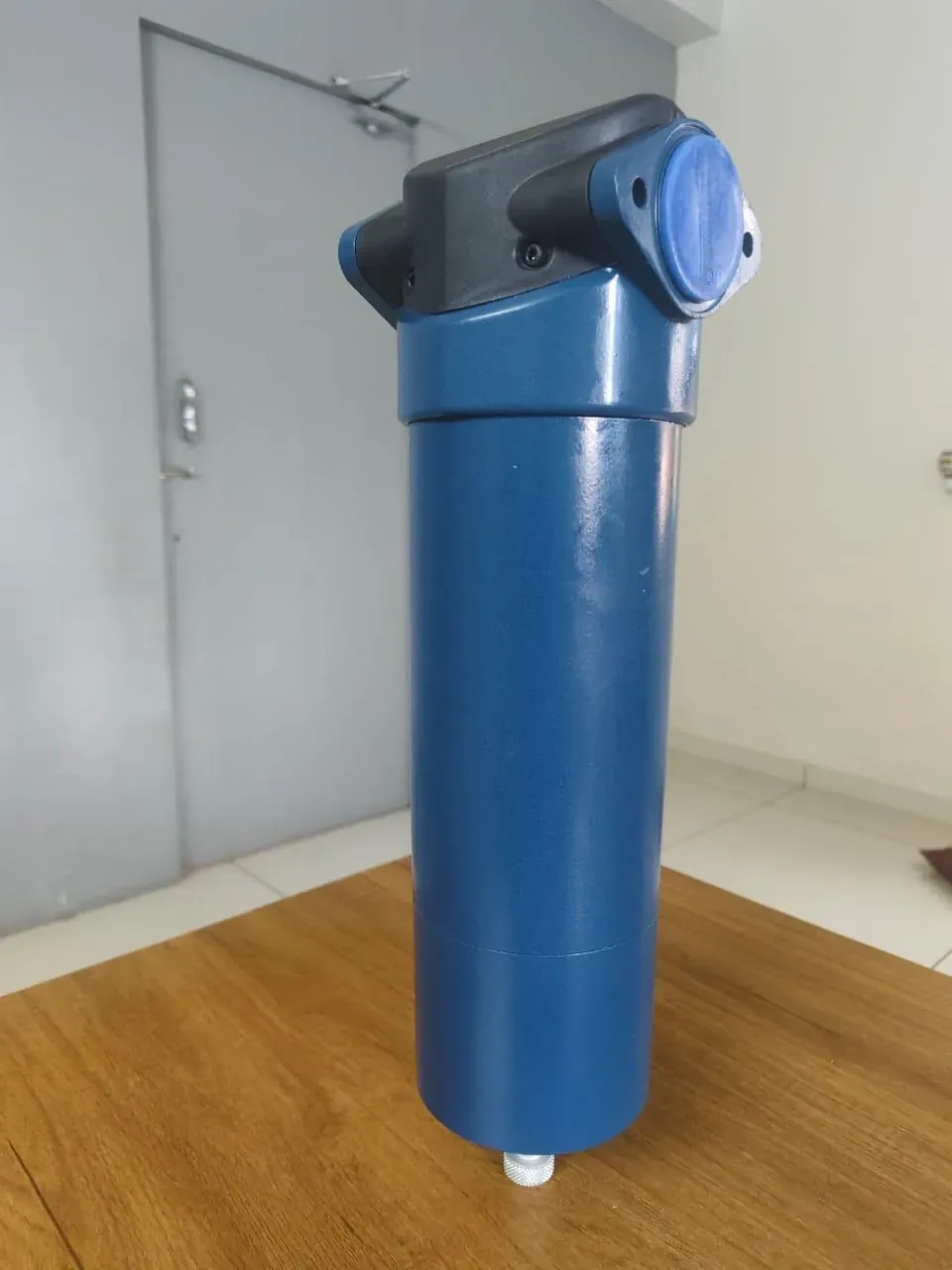
A filter element fits a specific housing and has a filtration grade, such as for particles, oil aerosol or vapour. The element and the housing must match, and the grade must suit the air quality the process requires.
Identify the element
We need:
- Filter housing make, model and size
- The grade or class of the element in use
- The old element's part number and photographs
- The application and required air quality
Drains
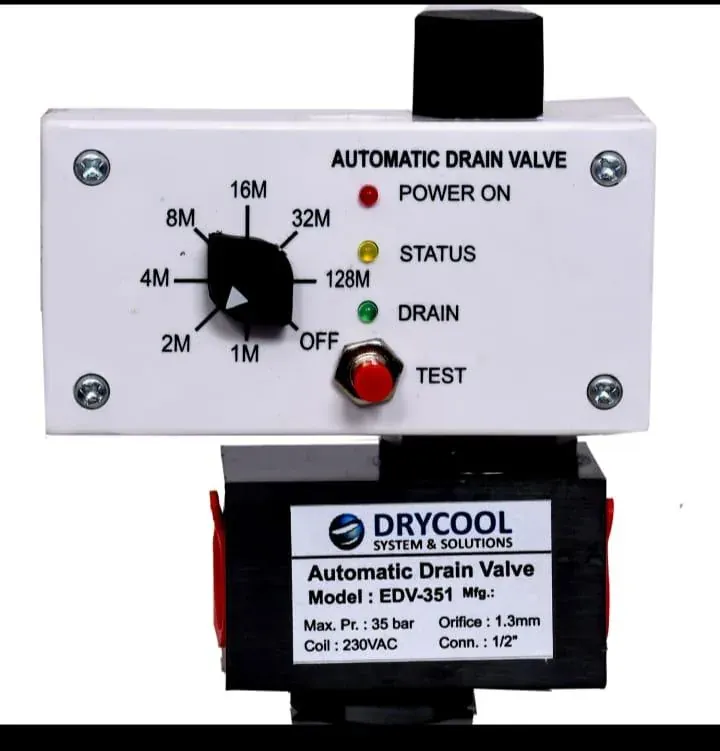
Condensate drains remove water from filters, receivers and dryers. Timer drains, level-sensing drains and others have different ways of failing. A blocked or stuck-open drain either lets water through or wastes compressed air.
Change and check
Change elements on the schedule or when the differential pressure indicates, and check drains routinely. A saturated element lets contaminants through.
Before you order
Confirm that the element grade and housing match, and that the drain type suits the condensate and the installation.
Ask for the supply status of the item: whether it is genuine, OEM-approved or an alternative, and whether it is in stock or must be sourced.
Check the lead-time basis and the warranty terms that apply.
Frequently asked questions
How often should filter elements be changed?
Follow the manufacturer's schedule and the differential pressure indicator, and shorten the interval if the air is heavily contaminated.
Is a higher-grade filter always better?
Not necessarily. A finer grade causes more pressure drop and costs more to run. Use the grade the process needs.
Why does my drain keep blowing air?
A stuck-open or failed drain wastes compressed air. Check and service or replace it.
Field guide
Line filter elements and drains: when to change, and why
Line filters remove dust, water droplets, oil aerosol and oil vapour from compressed air. Their elements load up over time, and a filter that is never changed costs money twice: in pressure drop, which makes the compressor work harder, and in the contamination it eventually lets through.
When to change an element
- At the interval the filter maker gives, commonly once a year for coalescing elements, even if pressure drop is low, because coalescing efficiency falls with age.
- When the differential pressure indicator reaches its change mark.
- Immediately after an oil carryover event or a dryer failure that has flooded the filter.
- Activated carbon elements by hours of use, as they saturate without showing pressure drop.
Filter grades
Elements are made in grades from general particulate protection to high-efficiency oil removal and carbon vapour removal. Replace like with like. Fitting a finer element than the system was designed for can raise pressure drop; fitting a coarser one lets contamination through. The element must match the housing model exactly.
Drains
Every filter and separator that collects liquid needs a working drain. Float drains can stick with dirt; timer solenoid drains can block at the strainer or waste air if set badly; zero-loss level-sensing drains need their sensors kept clean. Test drains at every service: press the test button or watch a cycle. A failed drain floods the filter and sends water downstream.
Condensate
Condensate from oil-lubricated compressors contains oil. It should be collected and treated in an oil-water separator rather than run into a drain.
What to send for a quotation
- Filter housing make and model (the label on the bowl or head).
- Element grade or part number if visible.
- Drain type and voltage for electric drains.
- Flow and pressure at the filter if known.
Send it through find my part or the spare parts enquiry, or call +91 99590 60718 or +91 92468 88812.