
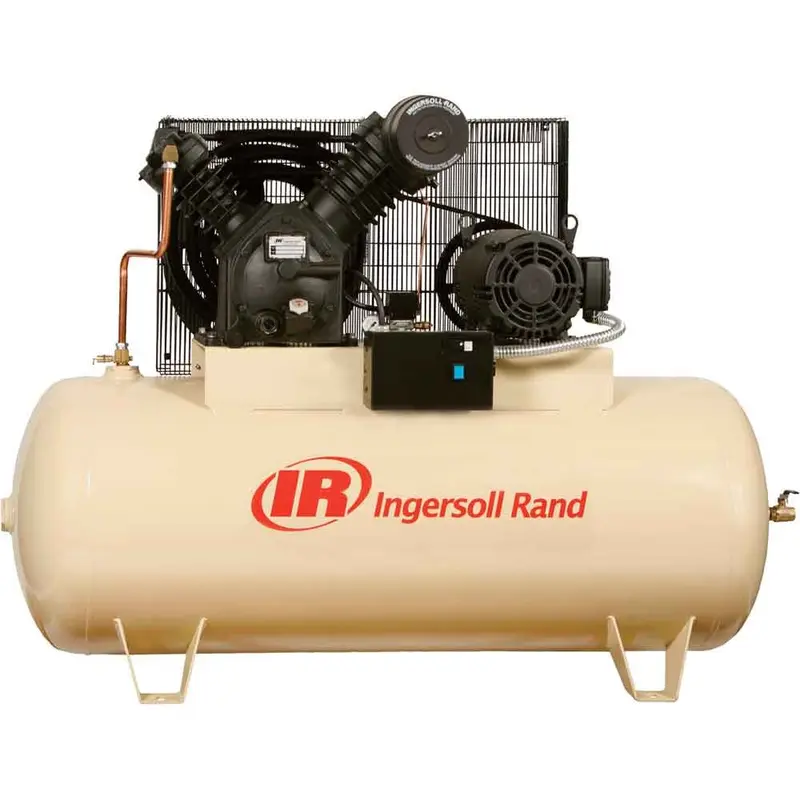
Reciprocating compressors remain relevant for a reason
Reciprocating—or piston—compressors remain one of industry's established compressed-air technologies.
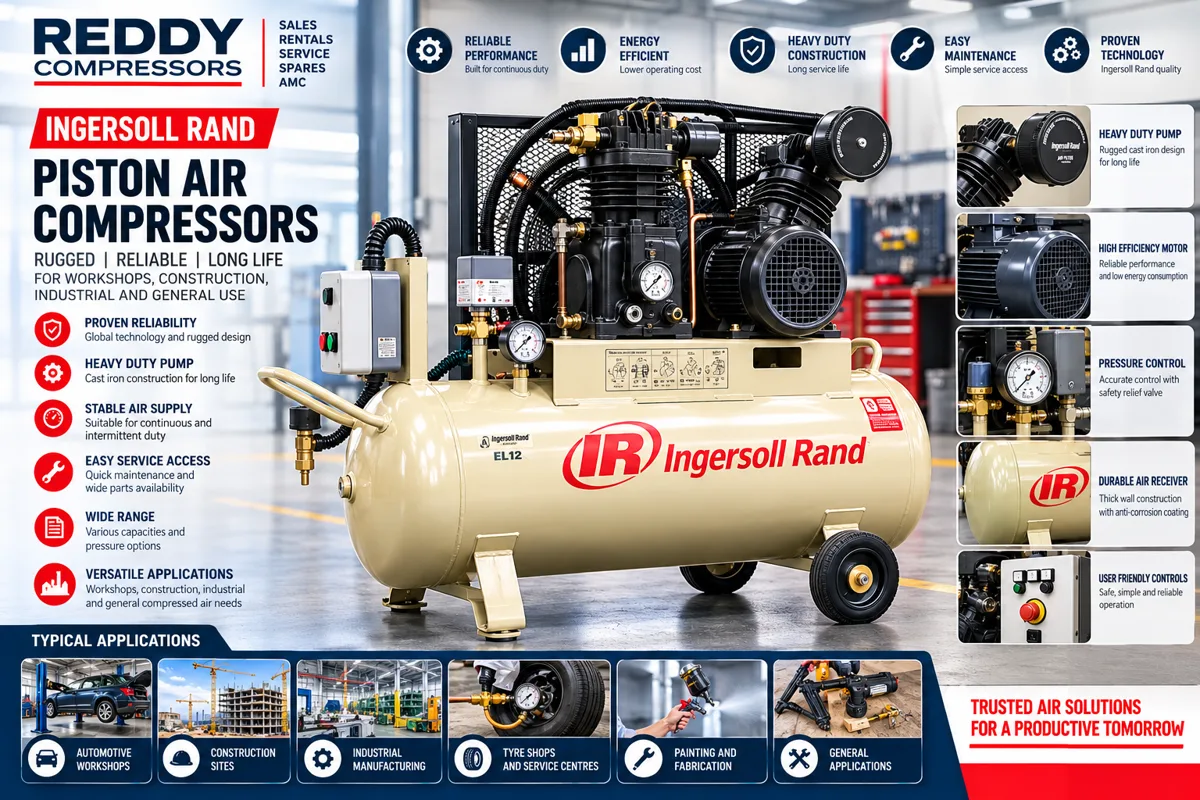
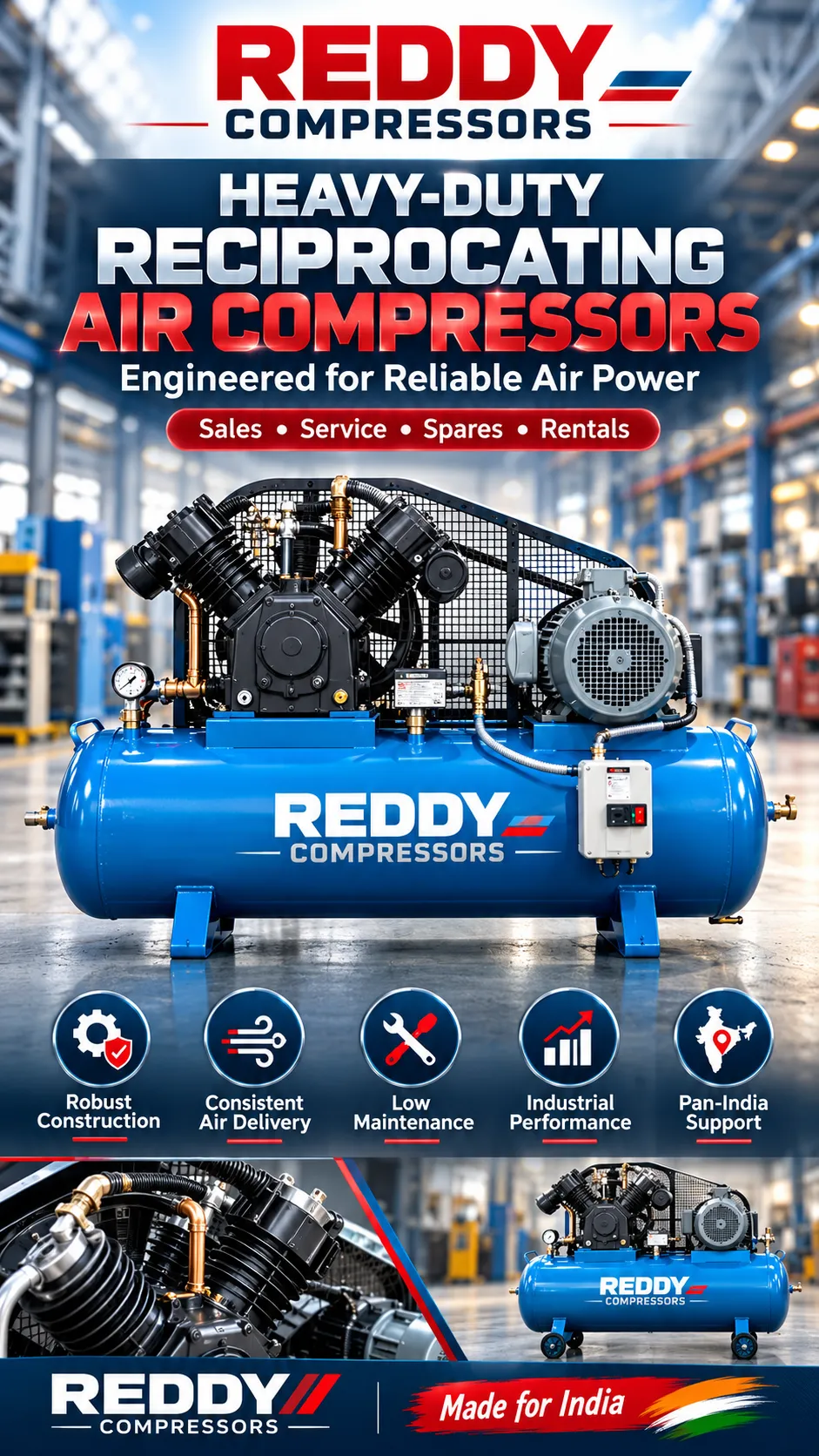
Their relevance is not simply historical.
The correct principle:
THE CORRECT SELECTION BEGINS WITH THE DUTY.
RECIPROCATING vs ROTARY SCREW IS NOT A PRICE COMPARISON
These technologies should not be treated as interchangeable machines separated only by purchase price.
Across brands
Models we supply and service
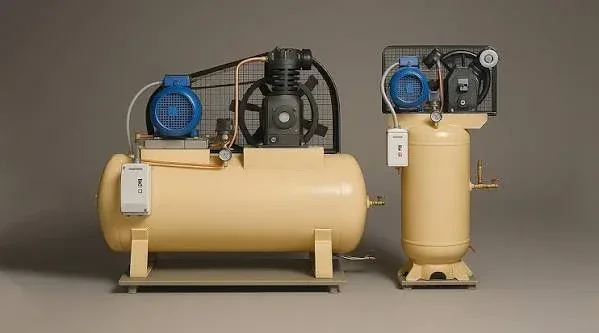
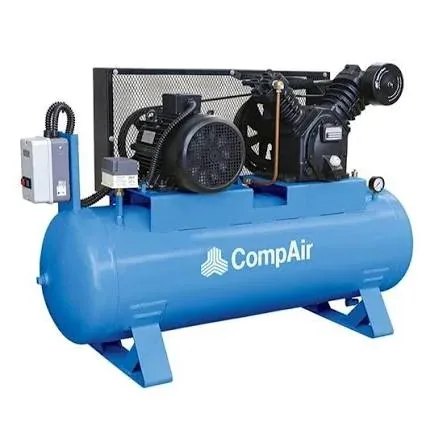
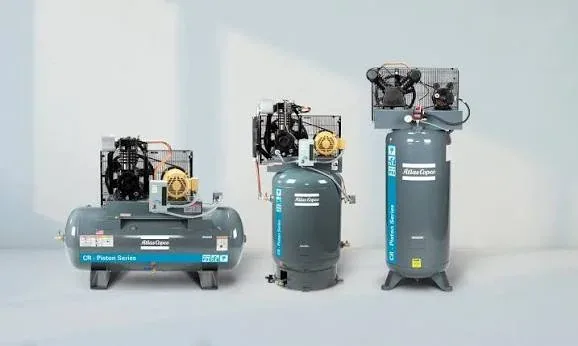
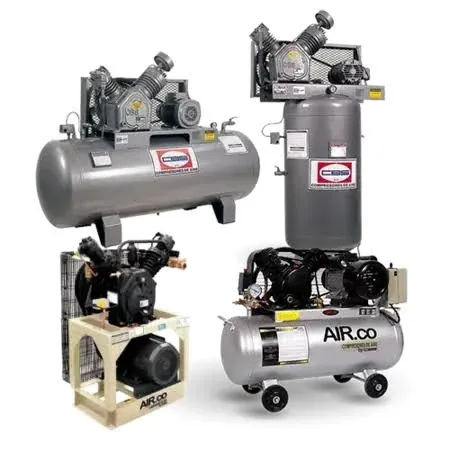
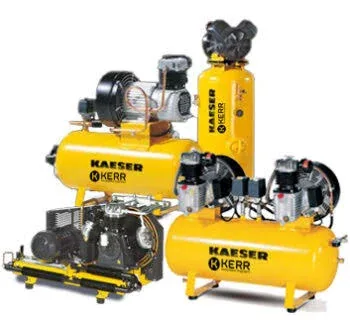
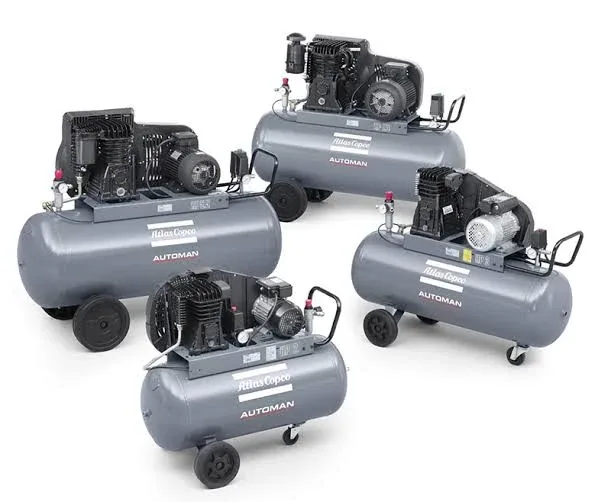
Manufacturer product images, shown to identify machines we sell, service and support. Brand names are trademarks of their owners.
Their operating characteristics differ.
The question is not:
“Which one is cheaper?”
The stronger question is:
“Which technology delivers the required FAD and pressure at the actual duty with acceptable reliability and lifecycle cost?”
The selection equation
That is the basic piston-compression principle.
02 — “piston compressor” is a technology family
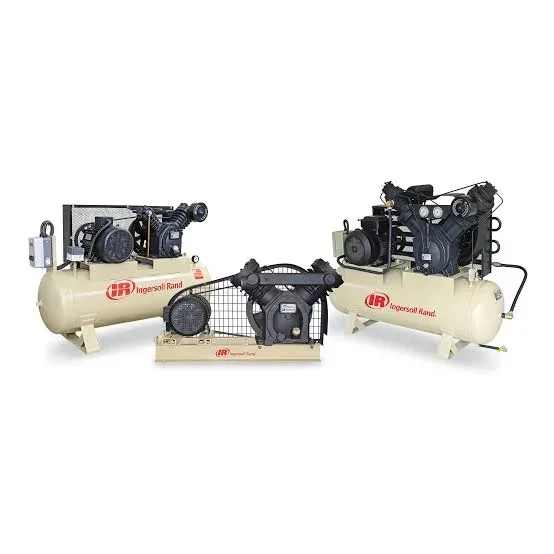
Reciprocating compressor architecture can vary according to:
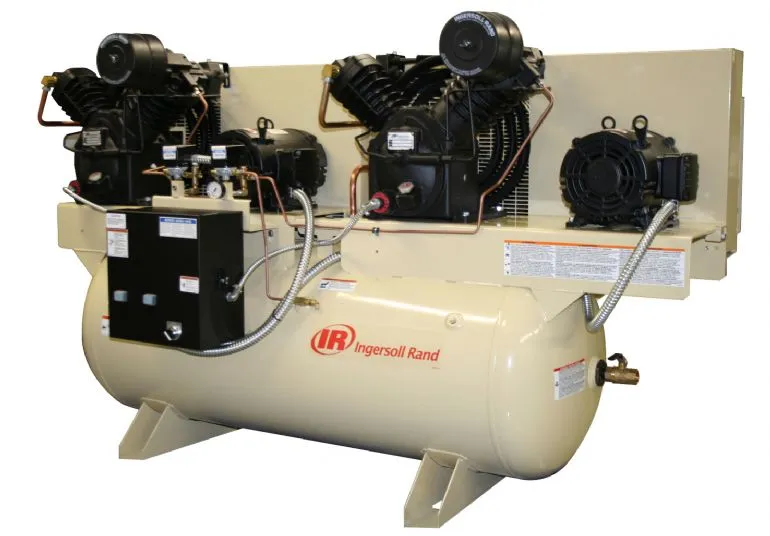
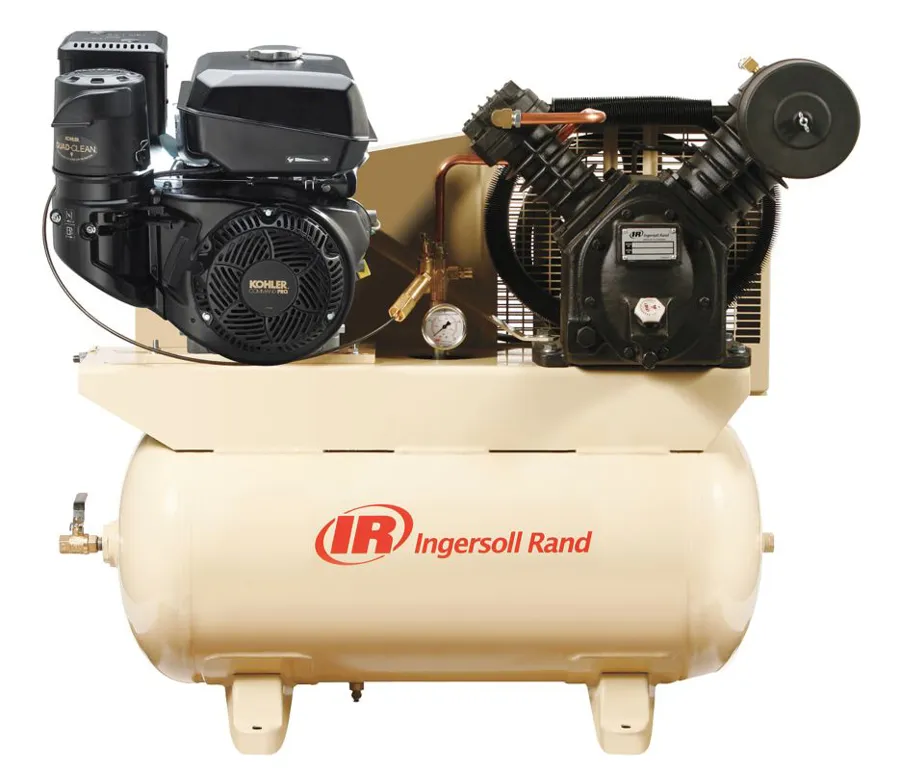
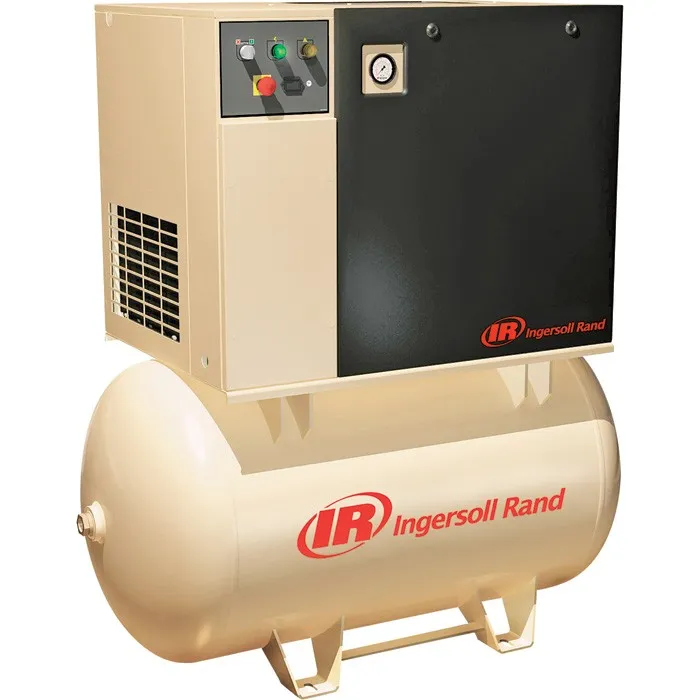
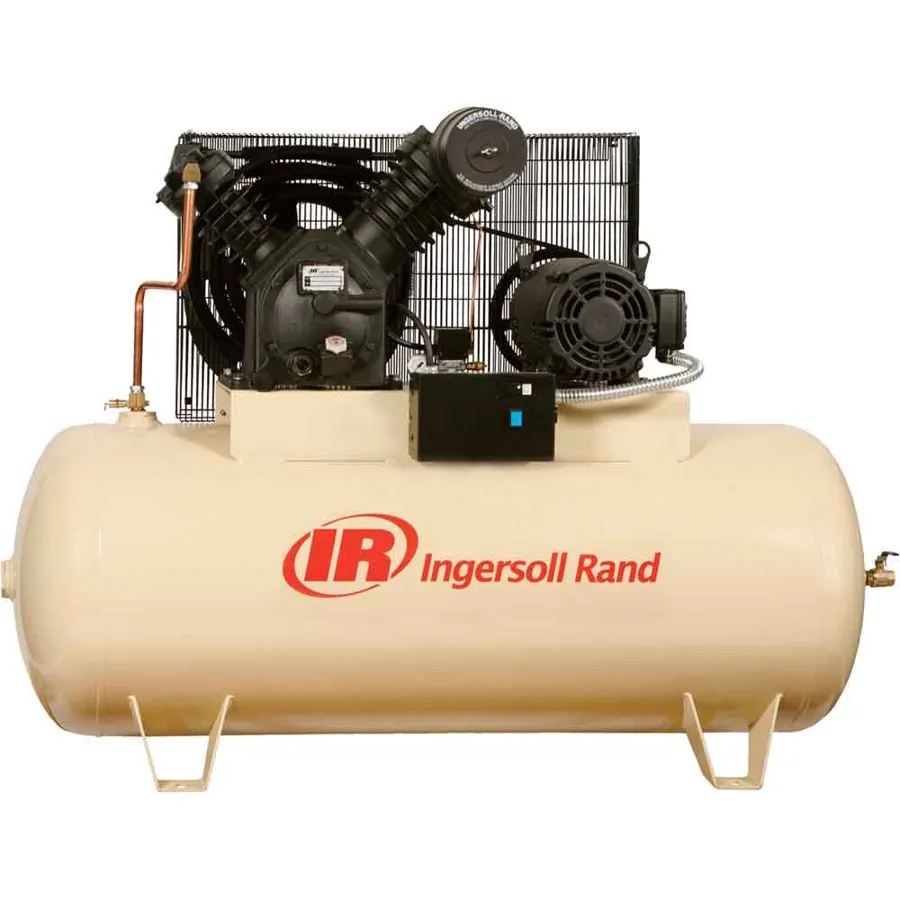
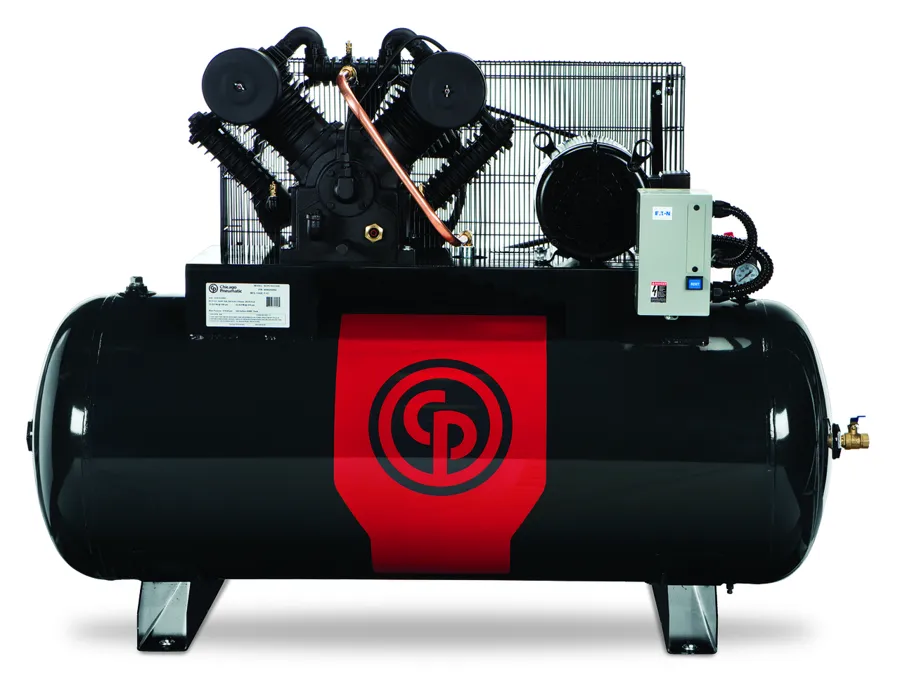
Representative images of machine types we sell, service and rent. Models and capacities are confirmed against your duty.
- Number of Cylinders
- Number of Compression Stages
- Pressure
- Cooling Arrangement
- Lubrication
- Drive
- Motor / Engine
- Receiver Configuration
Therefore:
Reciprocating compressor ≠ one universal machine
Two piston compressors may share the same fundamental compression principle while differing significantly in construction, duty and intended application.
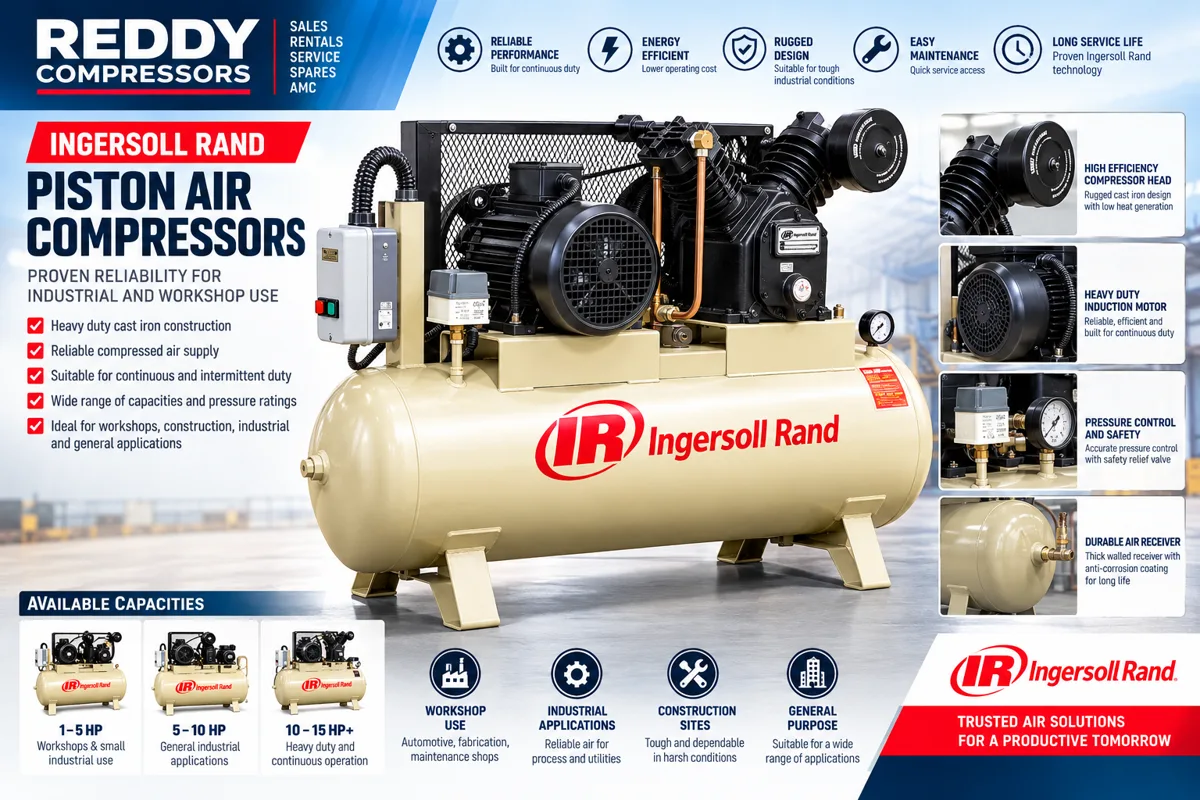
03 — where reciprocating technology can fit
Workshops
Intermittent pneumatic tools and general maintenance air.
Garages
Service equipment, tyre inflation and pneumatic tools.
Small industrial facilities
Where compressed-air demand is periodic rather than continuously high.
Process support
Application-specific duties where pressure and operating profile suit piston technology.
Higher-pressure duties
Certain multi-stage reciprocating configurations may be suitable for pressure requirements beyond ordinary plant air.
Backup air
A suitably designed machine may provide backup or secondary capacity in some installations.
The common thread is:
Application + duty
Not simply industry name.
04 — duty cycle is one of the most important variables
The source places special emphasis on duty cycle.
A compressor having a stated airflow does not automatically mean it should operate continuously at that output.
Manufacturer-specific limits can relate to:
- Loaded Operating Time
- Cooling
- Starts per Hour
- Discharge Temperature
- Pressure
- Environmental Conditions
The governing principle is excellent:
A compressor should be selected not only for how much air it can make
BUT FOR HOW LONG IT IS EXPECTED TO MAKE IT.
05 — intermittent demand can favour reciprocating technology
Reciprocating equipment may be commercially and technically attractive where demand is:
- Intermittent
- Periodic
- Relatively Low
- Characterised by Long Idle Periods
That makes piston technology particularly relevant where air is required in cycles rather than continuously.
But actual manufacturer duty limits still control.
06 — when rotary screw may deserve evaluation instead
Rotary screw may deserve consideration where compressed-air demand is:
- High
- Continuous
- Predictable
- Present Across Multiple Shifts
The rule remains:
Neither technology wins automatically
- THE LOAD PROFILE DECIDES.
- 07 — start with FAD
Reciprocating compressors may be described using different airflow figures.
Customers to distinguish:
Theoretical displacement
from:
Useful delivered airflow
It says the relevant capacity comparison should use appropriate Free Air Delivery under stated conditions.
Therefore:
FAD matters more than swept volume for practical capacity comparison
08 — never compare airflow numbers without asking what they mean
Asking:
What Does the Number Represent?
At What Pressure?
According to What Test / Reference Basis?
Is It Displacement or Delivered Air?
This protects buyers from misleading compressor comparisons.
A larger number is not automatically a better machine.
09 — pressure must match the application
A reciprocating compressor should be selected around the required operating pressure.
Do not assume:
Piston = high pressure
Some reciprocating architectures can support higher-pressure duties.
Others are intended for more conventional requirements.
The actual manufacturer/model defines the permissible operating envelope.
10 — single-stage compression
Simplified single-stage reciprocating compression as:
AIR COMPRESSED FROM INLET CONDITIONS TO FINAL DISCHARGE PRESSURE IN ONE COMPRESSION STAGE.
It says this architecture may suit appropriate lower-pressure and moderate-duty applications.
Potential characteristics include:
- Relatively Straightforward Construction
- Service Familiarity
- Compact Packaging
- Practical Capital Cost for Suitable Duties
- But suitability still depends on pressure and operating cycle
11 — two-stage compression
Conceptually:
12 — more stages are not automatically better
Against the common assumption:
Two-stage = better
The correct architecture depends on:
- Operating Pressure
- Airflow
- Duty
- That is the same discipline already applied in the rotary screw pillar
- Technology labels should never replace application selection
13 — why intercooling matters
Actual performance remains dependent on compressor design and operating conditions.
Do not convert this into universal efficiency percentages.
14 — select by required pressure
Against choosing two-stage equipment simply because:
“Two-stage is industrial.”
Instead establish:
What Pressure Does the Application Require?
What Pressure Must Leave the Compressor?
What Pressure Is Lost Downstream?
What Duty Cycle Will the Compressor Experience?
What Does the Manufacturer Permit?
15 — oil-lubricated reciprocating compressors
For this hub, the correct principle is:
Lubrication architecture must be verified at model level
Lubrication as one of the variables defining reciprocating architecture.
16 — oil-free reciprocating compressors
Oil-free piston technology is a separate equipment category later in the pillar.
Oil-free = automatically process-ready air
Compressor technology alone does not define final point-of-use air quality.
Air treatment and process acceptance criteria remain separate requirements.
17 — AIR-COOLED vs WATER-COOLED RECIPROCATING COMPRESSORS
Cooling arrangement is another architecture variable.
18 — receiver-mounted configuration
Potential benefits include:
- Compact Installation
- Integrated Storage
- Simplified Small-System Layout
- Buffering for Intermittent Demand
But it gives an important warning:
THE FACT THAT A RECEIVER IS SUPPLIED UNDER THE COMPRESSOR DOES NOT AUTOMATICALLY MEAN IT IS IDEALLY SIZED FOR THE APPLICATION.
19 — base-mounted configuration
Base-mounted compressor architecture can provide flexibility where:
- Larger Storage Is Required
- An Existing Receiver Is Available
- Compression and Storage Are Physically Separated
- Multiple Compressors Feed Common Storage
- A Customised Arrangement Is Needed
It does not create compressor capacity
A receiver can help absorb short demand periods and can reduce excessive start-stop behaviour where correctly applied.
But sustained compressor capacity still has to meet sustained demand.
The receiver is:
Storage
Not:
Generation
21 — receiver size & cycling
Receiver size interacts with:
- Compressor Capacity
- Pressure Switch / Control Band
- Demand Rate
- Allowable Pressure Change
- Starts per Hour
It also warns:
A LARGER RECEIVER DOES NOT AUTOMATICALLY MAKE A COMPRESSOR MORE EFFICIENT.
This should be an important buyer-education point in the hub.
22 — starts per hour
Motor and compressor manufacturers may specify limits on starting frequency.
Excessive cycling can place stress on:
- Motors
- Contactors
- Pressure Switches
- Drive Components
If cycling is excessive, investigate:
- Receiver Capacity
- Leakage
- Pressure Settings
- Compressor Sizing
- Demand Behaviour
- Do not simply change one component without diagnosing the system
23 — workshops & maintenance facilities
The Compressor Is Not Continuously Loaded.
This is why duty profile matters more than a generic statement such as:
“Workshop = piston.”
24 — garages
Garage applications can include:
- Service Equipment
- Tyre Inflation
- Pneumatic Tools
But compressor selection still requires:
- Actual Flow
- Pressure
- Number of Simultaneous Users
- Operating Hours
- Receiver Requirement
- before equipment can be specified
25 — small industrial facilities
Reciprocating technology may fit smaller facilities where demand is periodic rather than continuously high.
As duty becomes more sustained and continuous, rotary screw technology may deserve comparison.
Again:
The load profile decides
26 — sugar & rice mills
Potential air uses may include:
- Pneumatic Controls
- Workshop Maintenance
- Packaging Equipment
- Actuators
- Utility Functions
Selection should consider:
- Seasonal Operating Intensity
- Dust
- Ambient Temperature
- Maintenance Capability
- Operating Hours
27 — food processing
The source allows reciprocating equipment for suitable mechanical or utility applications.
But it explicitly warns:
Compressor type alone does not establish air quality
If compressed air interacts with product, packaging or a sensitive process, contamination risk and treatment requirements must be defined separately.
This keeps the hub technically responsible.
28 — cement
Certain intermittent support or maintenance requirements may suit reciprocating technology.
But continuous high-volume plant air may require another compressor architecture.
The source summarises the rule perfectly:
APPLICATION FIRST. TECHNOLOGY SECOND.
29 — higher-pressure reciprocating duties
Multi-stage reciprocating technology may be relevant for certain pressure requirements beyond conventional plant air.
• CNG pressure capability.
Those belong in later specialist pages and require manufacturer/application verification.
30 — booster compressors
The hub should establish only the concept:
Specialist pressure duties may require equipment designed specifically for that role
Do not imply that a standard plant-air piston compressor can simply be operated at booster duty.
31 — PET blowing
At hub level:
Do not assume every reciprocating compressor is suitable for PET blowing
Required pressure, flow, air quality and duty need separate verification.
32 — CNG / process-gas reciprocating
Gas compatibility, pressure, materials, safety and manufacturer design must remain specialist/model-specific.
33 — air quality
The complete reciprocating system may require:
- Aftercooling
- Moisture Separation
- Drying
- Filtration
- Receiver Storage
- Distribution
- depending on the process
The broader Reddy architecture states that air treatment should be selected around downstream requirements rather than treated as an automatic accessory bundle.
Therefore:
COMPRESSOR SELECTION AND AIR-TREATMENT SELECTION ARE CONNECTED—but NOT IDENTICAL
34 — duty & air quality must both be correct
A compressor can be correct mechanically and still be unsuitable for the process if air quality is wrong.
Likewise, a sophisticated dryer cannot compensate for a compressor that cannot support the required FAD, pressure or duty.
The system must satisfy both:
Air quantity
and:
Air condition
35 — installation
The source provides minimum installation principles for smaller reciprocating systems:
- Firm Foundation
- Adequate Ventilation
- Service Clearance
- Correct Electrical Protection
- Suitable Piping
- Condensate Management
- Safe Pressure Relief
- Accessible Isolation
Its summary is important:
SMALL COMPRESSOR ≠ INSIGNIFICANT INSTALLATION.
36 — cooling & ventilation
Reciprocating compressors generate heat.
Their actual cooling limits remain manufacturer-specific.
• discharge temperature limits.
But it should state clearly:
Cooling capability is part of duty-cycle suitability
37 — serviceability
Serviceability is one of the practical strengths the source associates with suitable reciprocating applications.
But that does not mean:
Every piston compressor is easy or cheap to repair
Actual serviceability depends on:
- Model
- Construction
- Parts Availability
- Condition
- Technical Capability
- and installed access
38 — common reciprocating wear / service areas
The source's service material notes that reciprocating compressors can involve components such as:
- Valves
- Rings
- Cylinders / Liners
- Bearings
- Lubrication
- Drive
- Pressure Controls
- These become part of the later maintenance and overhaul pages
39 — service intervals are not universal
The site should never publish generic statements such as:
“Change every piston compressor valve every X hours.”
Actual maintenance intervals depend on:
- Manufacturer
- Model
- Duty
- Operating Hours
- Environment
- Lubrication
- Service History
- Use the actual manual/equipment documentation
40 — economics
Lifecycle economics depend on how the compressor actually operates.
Purchase price is only one part of the decision.
For reciprocating compressors, review:
- Delivered Airflow
- Pressure
- Motor Input
- Operating Hours
- Loaded Time
- Idle Behaviour
- Leakage
- Control Strategy
“Piston is cheaper.”
41 — the lowest purchase price may not be the lowest ownership cost
Likewise:
The most expensive compressor is not automatically the best
The actual ownership decision should include:
- Energy
- Maintenance
- Repairs
- Downtime Exposure
- Air Treatment
- Installation
- Parts Support
- alongside purchase price
42 — ROTARY vs RECIPROCATING: A CONTROLLED COMPARISON
Decision Area | Reciprocating | Rotary Screw |
|---|---|---|
Intermittent demand | Often worth evaluating | Evaluate economics/duty |
Sustained demand | Model/duty dependent | Often strong fit |
High annual hours | Evaluate carefully | Often strong fit |
Simple small-system architecture | Strong potential | Possible |
Multi-compressor sequencing | Less typical | Strong potential |
Higher-pressure specialised duty | Possible with suitable stages/models | Application/model dependent |
This reflects the source's decision-guide logic and is not a ranking.
43 — the wrong question: “which technology is more efficient?”
The source replaces that with a stronger question:
WHICH MACHINE DELIVERS THE REQUIRED FAD AND PRESSURE AT THE ACTUAL OPERATING PROFILE WITH THE LOWEST ACCEPTABLE LIFECYCLE COST?
44 — selection inputs
The source directly specifies the information required to evaluate a reciprocating compressor:
- Application
- Required FAD / CFM
- Operating Pressure
- Number of Users
- Operating Hours
- Expected Duty Cycle
- Receiver Requirement
- Power Supply
- Installation Environment
- Air-Quality Requirement
45 — reciprocating compressor decision gate
Before selecting a piston compressor, ask:
What will the air operate?
Define the actual application.
What FAD is required?
Use delivered air—not displacement alone.
What pressure is required?
Match the application.
How long must the compressor run?
Duty cycle is critical.
How many users operate simultaneously?
Understand peak demand.
Single-stage or multi-stage?
Select from actual pressure, flow and duty.
Oil-lubricated or oil-free?
Follow process requirements.
Receiver-mounted or base-mounted?
Match storage and layout.
What air quality is required?
Engineer treatment separately.
Can the installation remove heat?
Cooling matters.
Can the machine be serviced?
Access and parts matter.
What happens if it stops?
Define criticality.
What is the lifecycle cost?
Do not stop at purchase price.
Reciprocating compressors in one line
Reciprocating compressors are best understood as a flexible technology family
Selected around flow, pressure and especially duty cycle, not simply because the machine is familiar, low-cost or traditional
Closing
Proven technology. correct duty
A strong reciprocating compressor selection requires:
Watch
A short explainer on this topic
Slide-by-slide engineering explainers from Reddy Compressors. More in the video library.
The right FAD
- The right pressure
- The right duty cycle
- The right number of stages
- The right receiver
- The right air quality
- The right installation
- The right maintenance strategy
- Reddy compressors
- Compressed air. engineered for uptime
- Reciprocating air compressors
- Define the application
- Verify the FAD
- Define the pressure
- Understand the duty cycle
- Select the stage architecture
- Size the receiver
- Define the air quality
- Plan the maintenance
- Verify the actual model
- Primary CTA
Request a Reciprocating Compressor Selection
Secondary CTAs
Compare Rotary Screw vs Reciprocating
Compare Single Stage vs Two Stage
Review Receiver Requirements
Discuss High-Pressure Piston Applications
Request Reciprocating Compressor Service