
The method
A job is not finished when the machine starts again. It is finished when performance is verified, the cause is recorded and a prevention step is planned.
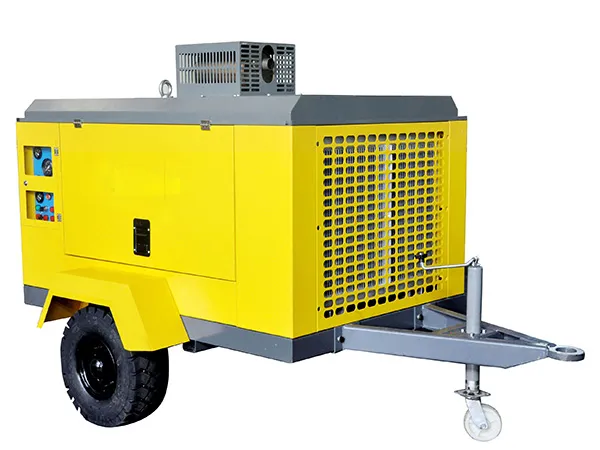
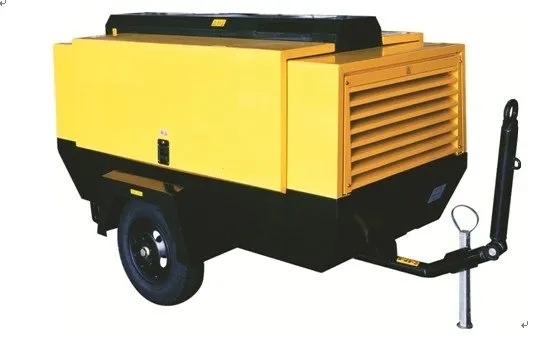
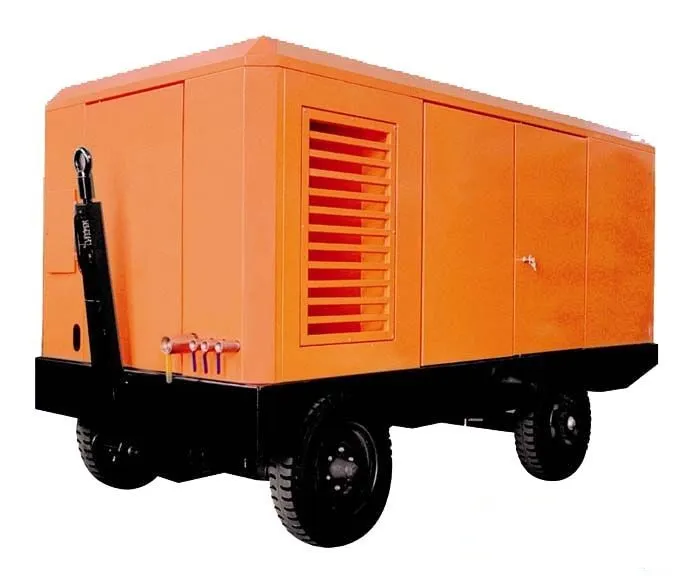
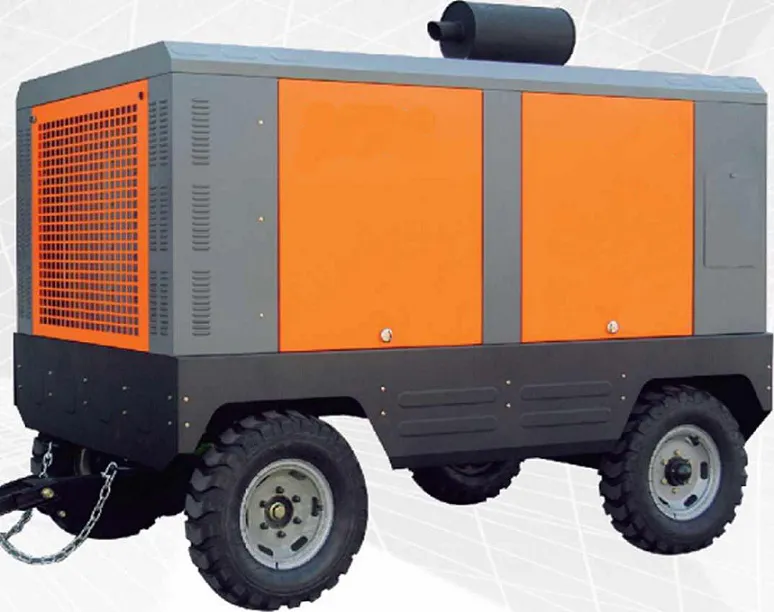
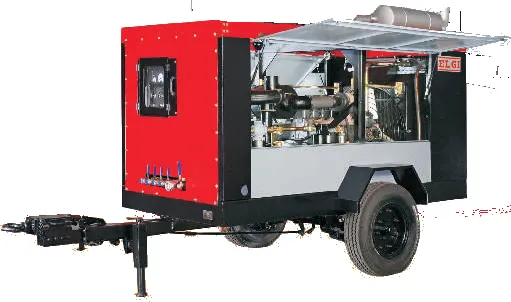
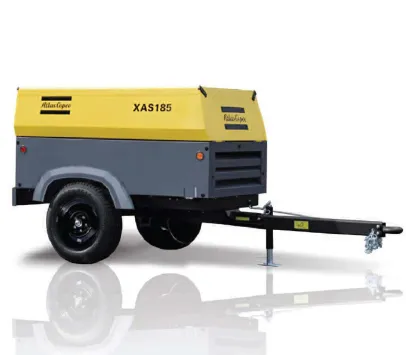
Representative images of machine types we sell, service and rent. Models and capacities are confirmed against your duty.
Two systems, one machine
A diesel portable is an engine driving an air end. Decide first which side the fault belongs to. Engine speed, exhaust, coolant and oil pressure point to the engine; discharge pressure, air delivery, discharge temperature and oil in the air point to the compressor. Many faults, such as overheating, involve both.
Engine symptoms
| Symptom | Common causes |
|---|---|
| Hard starting | Battery, starter, cable or fuel faults; see starting and charging diagnostics |
| Loss of power | Blocked air filter, fuel filter or supply, injector faults, turbocharger problems |
| Overheating | Blocked radiator, low coolant, thermostat or water pump fault, poor airflow |
| Low oil pressure | Low or diluted oil, wrong viscosity, blocked filter, worn pump or bearings |
| High fuel use | Restricted air, injector faults, engine running at the wrong load, leaks in the air system |
Reading exhaust smoke
| Smoke | Usually means |
|---|---|
| Black | Too much fuel or too little air: restricted intake, injector or turbo fault, overload |
| White | Incomplete combustion, a cold engine, or coolant entering the cylinders |
| Blue | Lubricating oil burning in the engine |
Compressor symptoms
| Symptom | Check |
|---|---|
| Low pressure | Air leaks, tool demand above capacity, intake restriction, unloader or regulator fault, engine speed |
| Low air delivery | Clogged air filter, worn air end, engine not reaching speed, long or undersized hose |
| High discharge temperature | Dirty oil cooler or aftercooler, low oil, thermostat, fan or belt, hot recirculated air; see cooling |
| Oil carry-over | Separator element, scavenge line, overfilled oil, running at too low a pressure |
| Intake restriction | Dust-loaded filter, blocked intake path |
| Unloader or regulator faults | Sticking valve, control line leaks, wrong setpoints; see controls |
Measure before you replace
- Discharge pressure and, if possible, pressure at the tool
- Air delivery against the machine rating
- Engine and compressor speed at load and no load
- Intake condition and filter restriction
- Discharge temperature and coolant temperature
- Engine oil pressure
- Leakage in hoses, couplings and tools
Cooling and lubrication
Heat shortens the life of every part. The usual causes are a blocked radiator, coolant loss, a failed thermostat or water pump, contaminated or wrong-viscosity oil, a blocked oil filter and poor ventilation. Clean coolers on schedule and use the grade the manufacturer specifies.
Mechanical warning signs
Excessive vibration, belt wear, loose mounts, coupling damage, bearing noise and imbalance usually build up over time. Catch them early by listening, feeling and recording.
Condition monitoring
Infrared thermography, vibration analysis, oil analysis and ultrasonic leak detection find faults before failure. Trend the readings between services so a change shows up early.
Watch
A short explainer on this topic
Slide-by-slide engineering explainers from Reddy Compressors. More in the video library.
After the repair
- Run the machine at load and confirm pressure, delivery and temperatures
- Record the root cause and the correction
- Plan the preventive step so it does not return
- Update the service schedule if the duty or the site was the cause
Related: diesel portable compressors, leakage reduction and stationary vs portable screw compressors. For on-site diagnosis, service or a replacement unit, contact Reddy Compressors.