
Prepare the place where the compressor will work
A skid-mounted compressor uses a supporting base to carry the machine or an assembled air system. That base provides a defined installation interface, but it does not establish where the unit can be placed, how it may be lifted or which site connections are already complete.
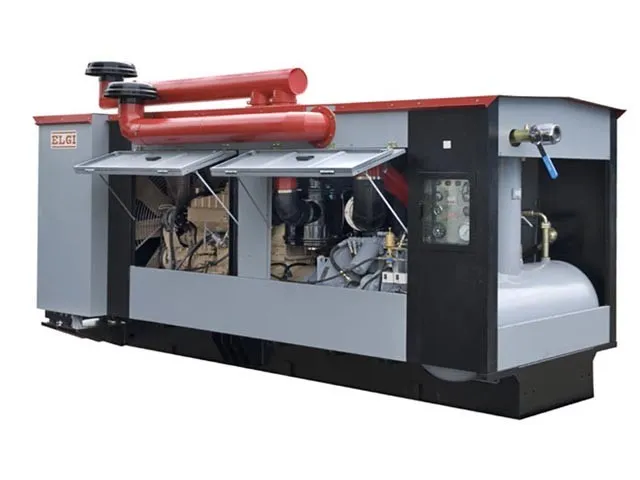
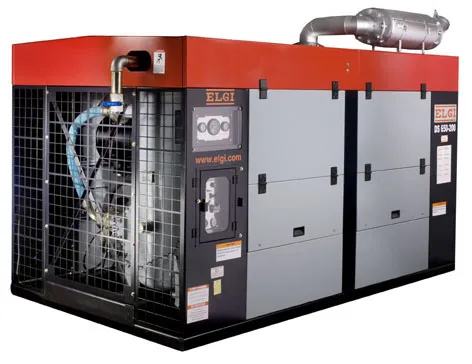
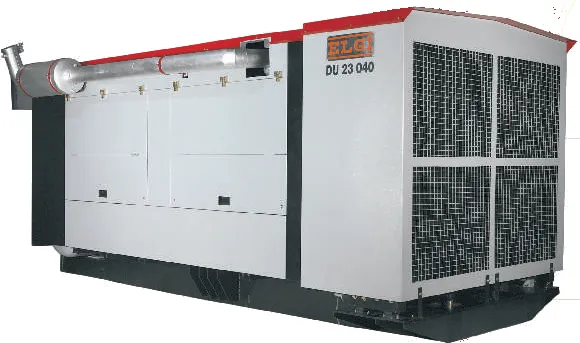

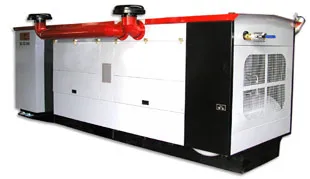
Representative images of machine types we sell, service and rent. Models and capacities are confirmed against your duty.
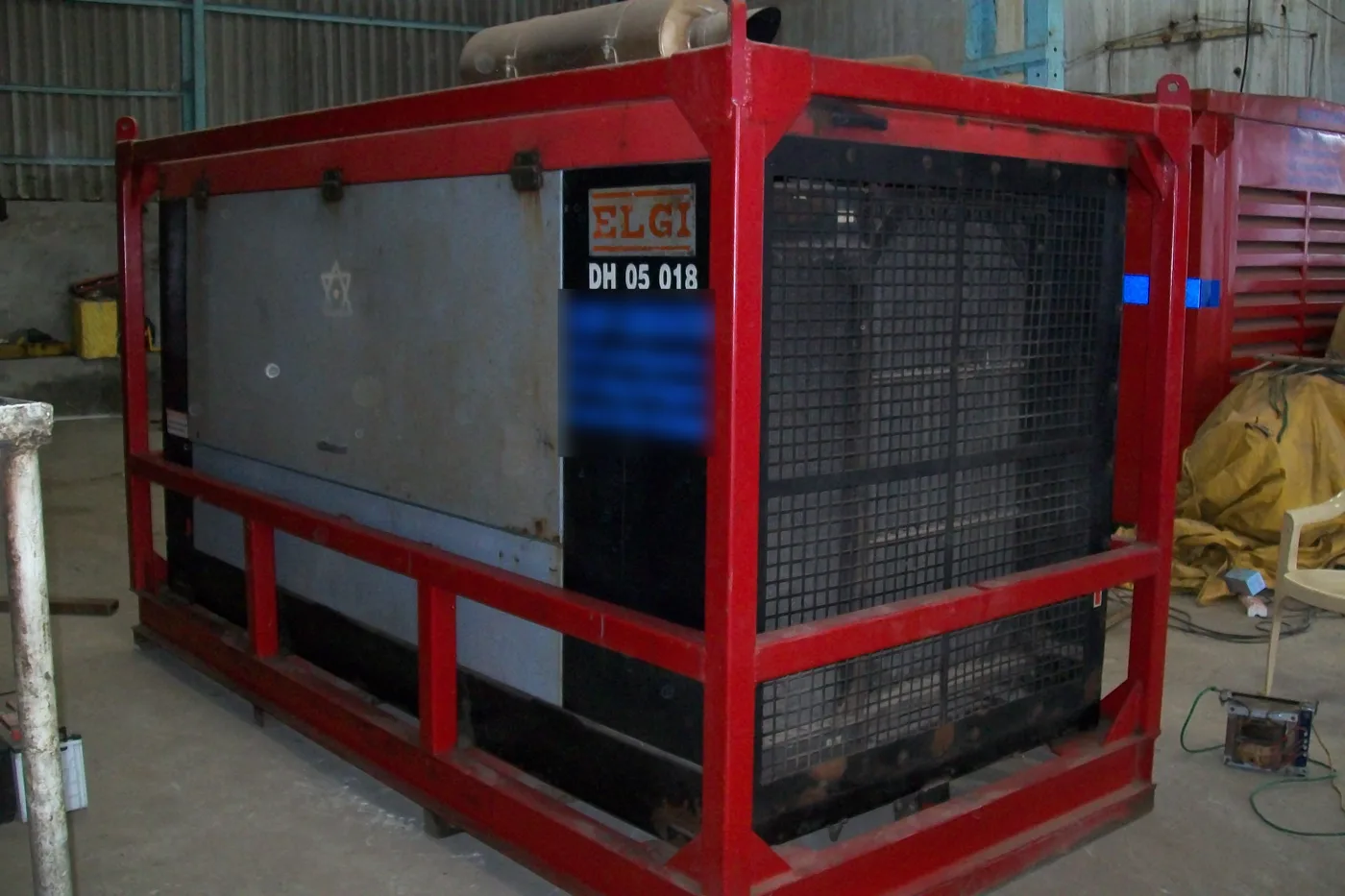
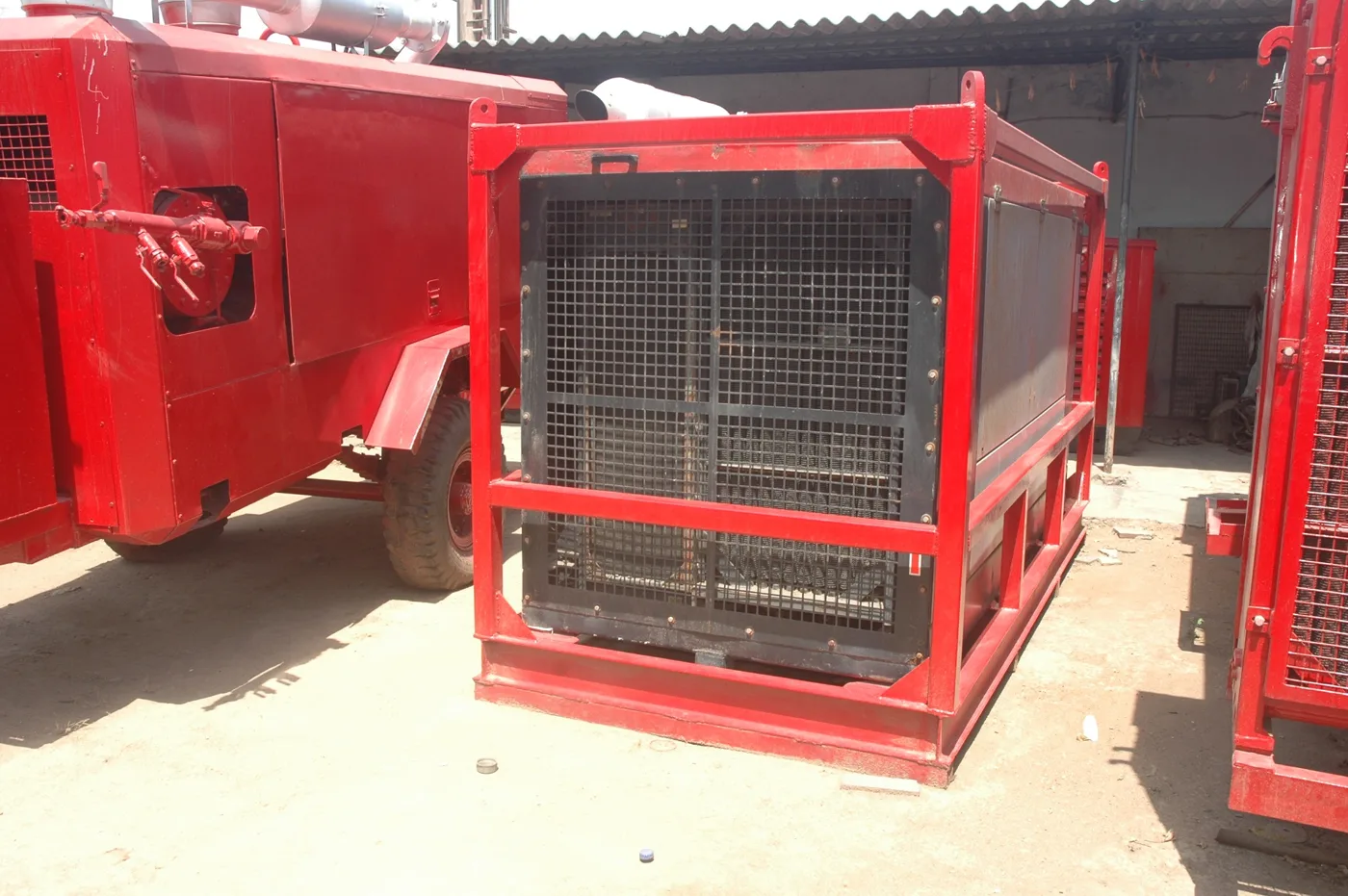
Photographs from Reddy Compressors' own fleet and workshop.
The practical selection question is therefore: what must be ready at the destination for this skid to operate as intended?
Answer it before arranging delivery. Obtain the equipment information, assess the proposed support and handling arrangements, and define the connections between the skid and the site. This gives the receiving team a clear installation scope and helps expose missing work while it can still be planned.
Discuss your skid-mounted compressor requirement with Reddy Compressors. Share the air duty, intended location, duration of use and available information about the supporting surface and handling access.
Identify the skid being offered
The term covers different arrangements. A utility compressor on a base may be intended for repeated deployment. An engineered skid may combine compressors, treatment and controls for a dedicated service. Their installation requirements are not interchangeable.
Confirm the assembly identity, supplied equipment and intended operating conditions. Establish whether the skid is the permanent operating base or whether any part of the delivery arrangement is temporary transport packaging.
A skid also does not identify the drive type or compressed-air quality. Those remain separate selection decisions. Use the Portable Air Compressors hub to establish the wider duty before resolving the placement and connection questions below.
The enquiry should describe the actual use: a temporary air source beside a plant, a utility unit to be installed on a carrier, a package in a designated equipment area or another defined arrangement. Avoid treating “skid-mounted” as approval for every one of these locations.
Survey the destination before dispatch
A useful destination survey connects the delivery route to the operating position. It should show where the carrier can stop, how the skid will reach its final position and what access remains once it is installed.
Survey item | Information needed for planning |
|---|---|
Final position | Marked location, surrounding equipment and the proposed orientation. |
Supporting surface | Available drawings or site information for the slab, structure or ground arrangement. |
Access route | Relevant openings, obstructions, changes in level and handling restrictions. |
Handling area | Space for the proposed equipment and personnel, assessed by the responsible handling team. |
Operating environment | Indoor or outdoor exposure, ambient conditions and relevant site restrictions. |
Services | Positions of air connections, electrical supplies and other required utilities. |
Future removal | The route and space needed to withdraw the skid or major components later. |
Photographs can help communicate these conditions. Pair them with dimensions and verified site information where the assessment requires them. A clear photograph of a slab cannot establish its load capacity.
For temporary installations, record who is responsible for preparing and maintaining the agreed location. A short hire period does not resolve an unsuitable support or inaccessible connection.
Request the installation data that the site needs
Ask for the current general arrangement and installation drawings for the exact configuration. Identify the overall dimensions, support locations, operating mass and connection positions. Obtain the relevant handling information separately, including the mass condition used for lifting or transport planning.
Where the assembly contains several items, establish whether the stated figures cover the complete supplied skid. A compressor-only drawing may omit a receiver, treatment equipment or an extended base fitted by an integrator.
Give the site designer the documented support reactions or other load information required for the assessment. If the supplier has not provided the necessary information, resolve that gap before choosing a foundation or support arrangement.
Keep drawing revisions linked to the proposed unit. If equipment changes during procurement, check whether the site preparation still matches the final assembly.
Design the support for the specified base
Have the responsible civil or structural professional evaluate the proposed supporting arrangement using the supplier's installation requirements and the actual site conditions. The review should establish where the base is intended to bear and whether the receiving surface can provide that support.
Do not assume that any convenient blocks, rails or pads can be placed under the frame. Equally, do not assume that every skid needs the same concrete foundation. The correct arrangement depends on the equipment and location.
Ask which requirements apply to level, anchoring, isolation and any filling or packing beneath the base. These are design decisions, not items to improvise after the machine arrives. This guide supplies no universal foundation thickness, anchor size or packing material.
Where a skid is to be installed on an elevated structure or another carrier, identify that condition explicitly. Approval for one support arrangement should not be extended to a different one without assessment.
Confirm handling provisions for the complete assembly
Request the manufacturer's or integrator's handling instructions for the supplied skid. Identify the designated lifting points, approved forklift provisions where fitted, and the configuration to which those instructions apply.
The presence of a base frame does not establish forklift compatibility. Likewise, an eye on an individual motor or compressor component does not identify a lifting point for everything attached to the skid.
Provide the handling team with the verified assembly information and destination constraints. Competent lifting or materials-handling personnel should select and plan the method. Equipment capacity, load geometry, access and the condition of the designated provisions belong in that assessment.
If identification is missing or the assembly has been modified, obtain clarification before handling. Do not create an alternative lifting or dragging method from the appearance of the frame. The name “skid” is not an instruction to drag the unit across the site.
Keep delivery condition separate from operating readiness
Agree how the unit will be received and inspected. Record the assembly identity and report visible transport damage, missing components or discrepancies against the delivery information. Establish who decides the next action when an issue is found.
Then confirm the steps required to move from transport condition to operation. Some packages have shipping restraints or other transport provisions; the exact instructions must establish whether these exist and how they are managed. Do not assume that an unfamiliar bracket or restraint should be removed.
After placement, have the responsible installer confirm the approved support arrangement and any required securing work. Retain the resulting records with the equipment information.
Delivery acceptance, installation acceptance and permission to start are different decisions. Assign them explicitly so that the unit is not treated as ready merely because it has reached its final position.
Make the site connections without imposing unintended loads
The air connection should be designed as an interface between the skid and the receiving system. Ask the installation designer to address support, permitted connection loads, movement and the requirements of the selected machine.
Do not use a compressor outlet as an assumed support for external pipework. The connection arrangement must follow the equipment documentation, including any requirements for preventing piping loads from reaching the machine.
For a temporary hose connection, specify the required service conditions and obtain the appropriate hose, coupling, restraint and routing arrangements through the responsible designer or supplier. The use of a hose does not remove the need to assess the connection.
Where the skid joins an existing compressed-air system, define the isolation and protective arrangements needed for that interface. Confirm the intended pressure conditions and responsibility for the connection before work begins. Detailed system design should be completed for the actual equipment; a mounting format provides no universal connection scheme.
Complete the utility and drainage scope
List every service the skid needs at the site boundary. Depending on its configuration, this may include electricity, fuel, cooling water, drainage or external control connections. Mark which items arrive complete and which require site work.
An electrically driven skid needs the same equipment-specific supply assessment as any other electrical package. A diesel-driven skid needs its documented fuel, exhaust and operating arrangements. Neither requirement is settled by the shape of the base.
Identify where condensate and service fluids are intended to go, where relevant. Assign responsibility for the applicable collection or disposal arrangements; do not assume that a drain connection can discharge to whichever outlet is nearest.
A supplier's “preassembled” description can help explain the scope completed before delivery. It does not, on its own, mean the site has no remaining installation work.
Preserve the operating and maintenance space
Use the specified clearances to reserve an operating envelope around the installed skid. Include access to controls, service panels and the items requiring routine attention. Check the space needed to remove parts as well as the space needed to open a door.
Review airflow and ventilation requirements against the actual placement. Nearby walls, temporary screens, stored materials or an added cover can alter the conditions around the machine. Any proposed enclosure should be assessed for the equipment it contains.
For outdoor locations, obtain confirmation of environmental suitability for the supplied configuration. A robust base does not establish weather protection, corrosion resistance or approval for a hazardous area.
Keep access available over the life of the installation. A location that was acceptable at commissioning can become difficult to service after surrounding equipment or storage arrangements change.
Plan temporary use through to removal
For a temporary skid, define the removal requirements when planning the installation. Identify how service connections will be isolated and disconnected under the approved procedures, and how the unit will become accessible to the handling team again.
Record responsibility for restoring the site connection points and dealing with remaining fluids or consumables where applicable. Agree who supplies the information and assistance needed for collection.
A later relocation requires review of the new destination. Preserve the skid's equipment records, but reassess the support, access and services that belong to the new site. Reusing the machine does not mean that the old installation assessment covers its next position.
If the assembly is to remain unused before collection or redeployment, follow the relevant preservation instructions. Do not infer a storage procedure from its normal operating routine.
Check readiness against the agreed duty
Prepare an installation completion record covering the work actually performed. It should identify the unit, drawing revisions, support acceptance, completed connections and the relevant inspections or checks.
The responsible commissioning team should then follow the applicable startup and verification procedures. Record the operating conditions and the air duty demonstrated at the agreed measurement point. If treatment performance is part of the supply, include the appropriate evidence rather than inferring air quality from the equipment list.
Resolve open items with named responsibilities. A temporary arrangement, outstanding inspection or unverified connection should remain visible in the record until it is properly addressed.
This approach makes the installation review specific to the site. It also gives the next operator or service team a useful account of how the skid was installed and what was checked.
Prepare an enquiry that includes the site work
Send the application, flow and pressure requirement, working pattern and expected duration together with the destination survey. Include any existing slab or structural information, access dimensions and proposed service connection locations.
Ask the offer to distinguish equipment supply from transport, handling, base preparation, installation and commissioning. Establish which party is responsible for each activity and what information the customer must provide.
If an existing skid is being relocated, supply its identification, current configuration and available installation records. Highlight modifications and missing documents so the assessment can address them directly.
Request a Skid-Mounted Compressor Deployment Review from Reddy Compressors. Define the required air service and the receiving location together so the equipment and site preparation can be evaluated on the same basis.
Frequently asked questions
Does a skid-mounted compressor need a concrete foundation?
The required support depends on the machine and site. Obtain the equipment's installation requirements and have the proposed surface or structure assessed. There is no foundation detail that can be applied to every skid.
Can any forklift move the skid?
No. First confirm that the assembly has approved forklift provisions. The responsible handling team must assess the actual equipment, load and access conditions before selecting the method.
Can the skid be dragged into position?
Do not treat the name as permission to drag it. Use only handling methods supported by the relevant instructions and a competent site plan.
Is a skid the same as a shipping pallet?
Not necessarily. Confirm which parts form the permanent operating base and which belong only to transport packaging. The supplied drawings and instructions should identify the intended arrangement.
Does a preassembled skid arrive ready to start?
It may still need site support, utility connections, inspections and commissioning. Confirm what has been completed before delivery and what remains with the receiving team.
Can a skid be operated on a truck or trailer?
Only where that installation has been assessed and documented for operation. Suitability for carriage does not establish suitability for running in the same position or on the same support arrangement.
Can external pipework be fixed directly to the compressor outlet?
Follow the selected machine's connection requirements. The designer must address support and permitted loads; an outlet should not be assumed to carry external pipework.
What changes when the same skid moves to another site?
The equipment information remains useful, but the new support, handling access, environment and service connections need review. Complete the checks appropriate to the new installation before operation.